Last updated November 22, 2026
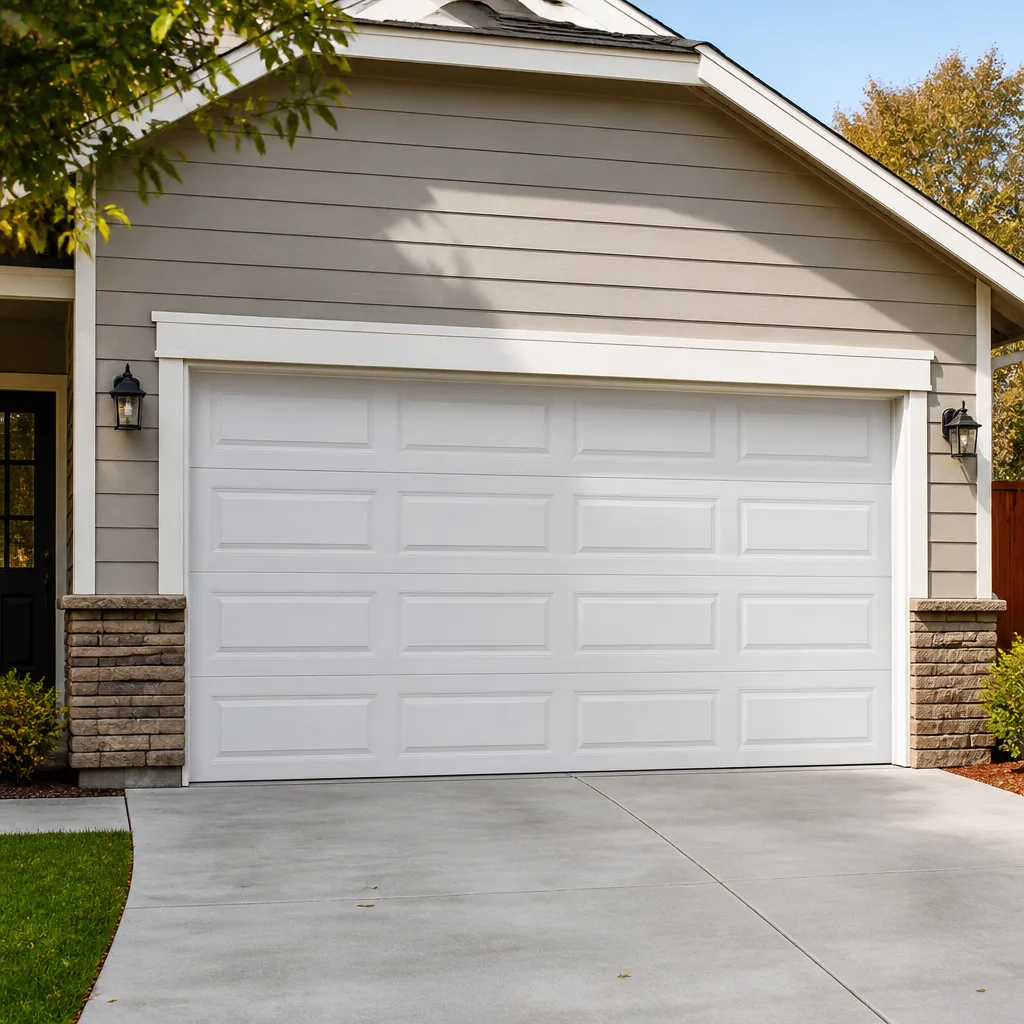 Raised-panel steel
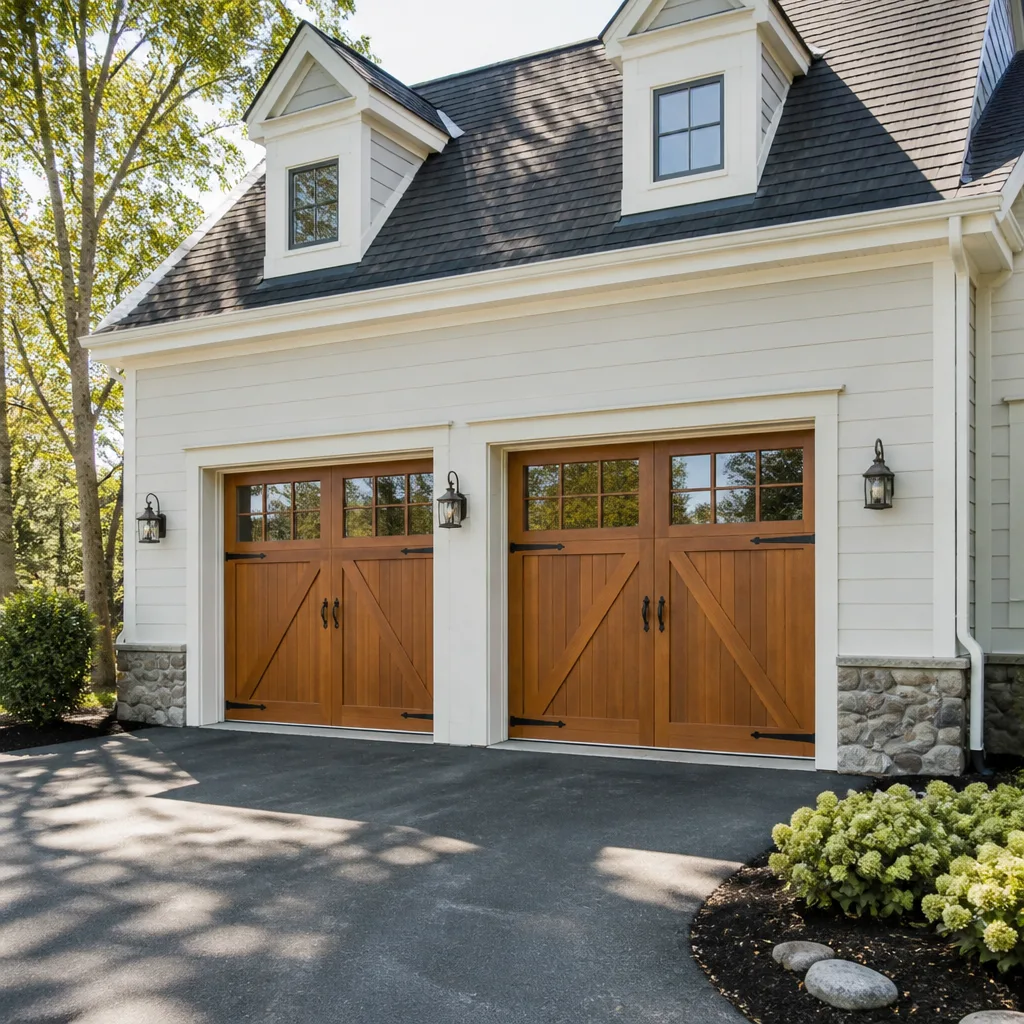 Carriage house
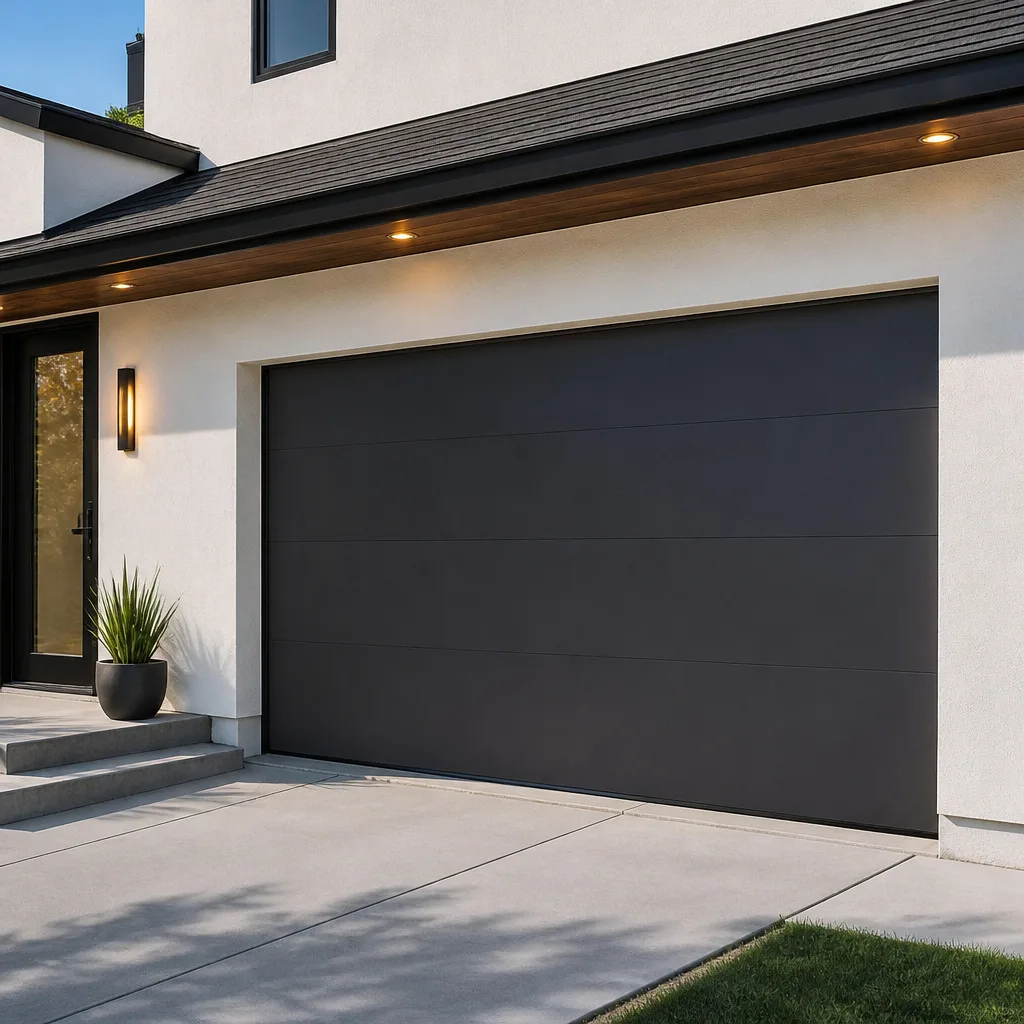 Modern flush
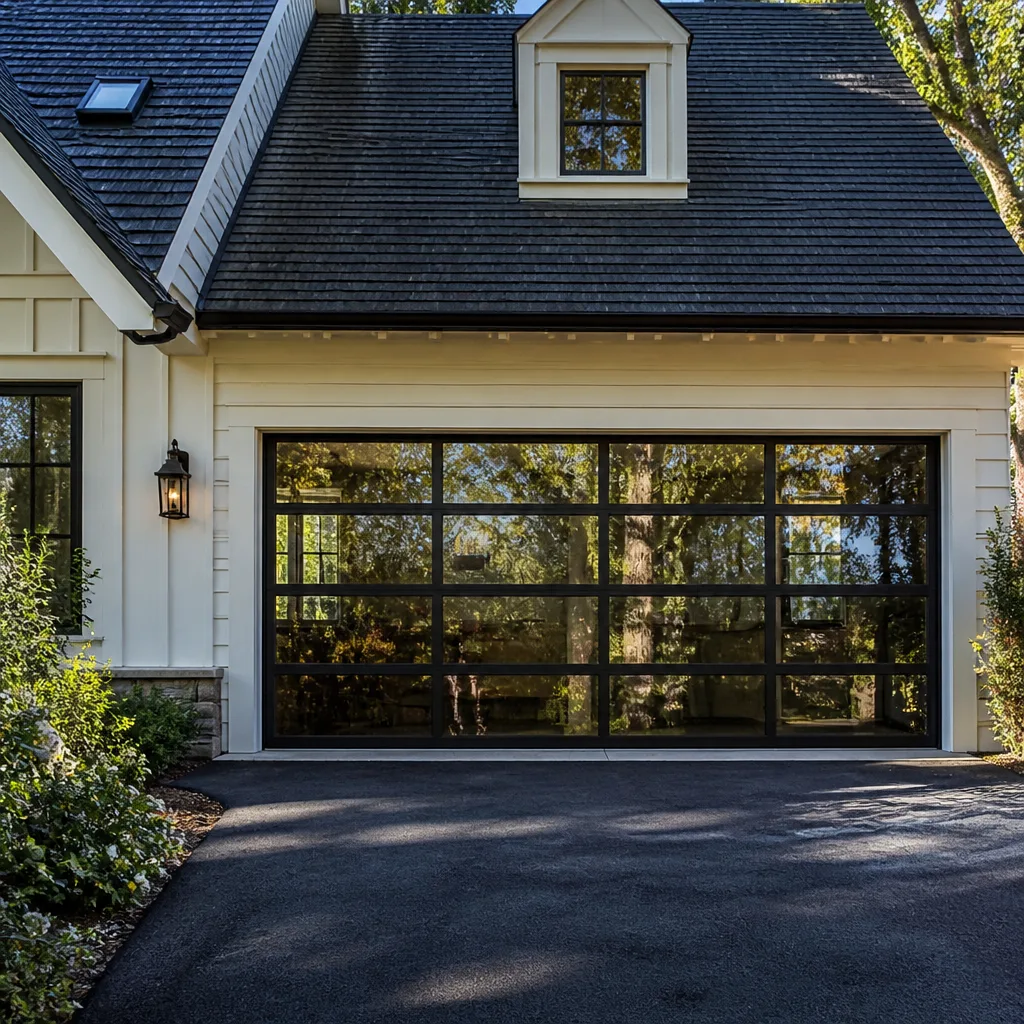 Full-view glass
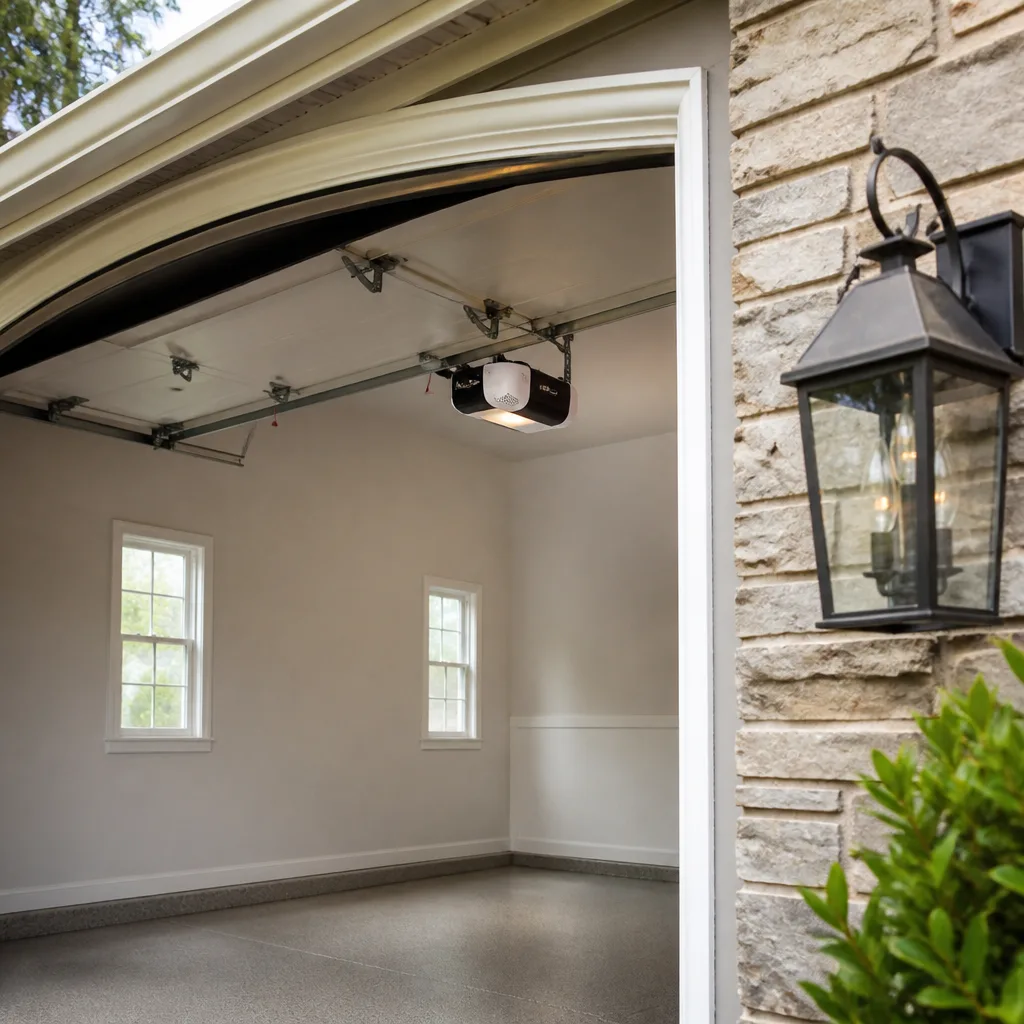 LiftMaster openers
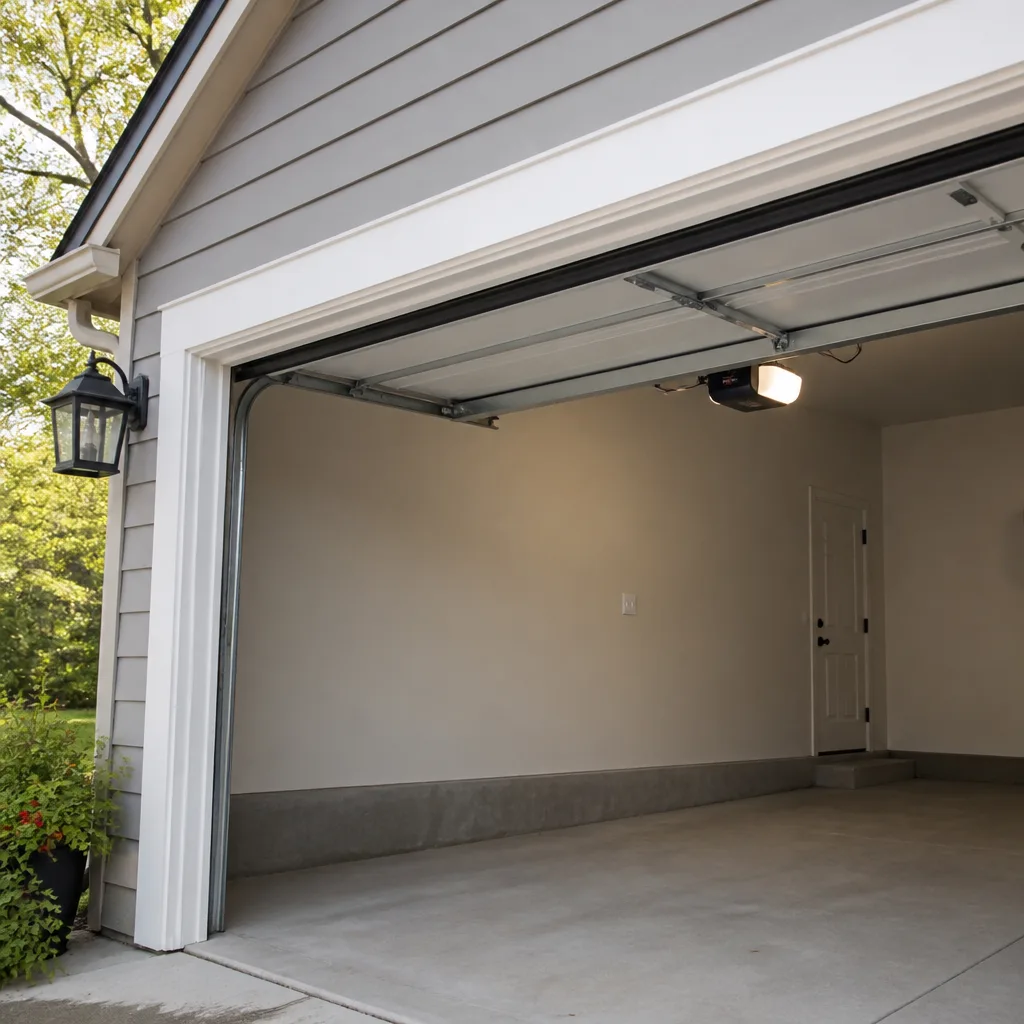 Chamberlain openers
Full 25-point door and opener safety check with every visit - springs, cables, rollers, tracks, and your LiftMaster or Chamberlain opener included
You get a price before we start. It does not change when the pro arrives.
Get your free estimateGarage Door Repair Maintenance Checklist for Waukegan Homeowners
The number-one source of a “random” spring failure in Waukegan isn’t age. It’s a lubrication schedule that skipped October, leaving dry coils to absorb a full Illinois winter with no protective film between them. Springs that were quiet in September can snap on the first hard freeze because nobody greased them before the cold set in. Waukegan’s freeze-thaw swings, road salt drifting off the streets, and older housing stock all put a specific kind of wear on a garage door that a generic checklist never accounts for. This guide is built around the failure patterns we actually see on repeat service calls in Waukegan, and it tells you which twenty-minute tasks prevent a $400 repair, which ones are busy work, and when to stop and call a specialist.
Quick Answer
A workable garage door maintenance routine in Waukegan has four core jobs: lubricate the springs, rollers, hinges, and tracks before the first freeze; clear road salt off the bottom seal and steel rails after snow events; check the safety sensors every time the temperature drops sharply; and inspect cables and drums on a schedule that matches how often you actually use the door. Everything else is secondary. Do these four things consistently and you’ll prevent most of the failures that bring homeowners to the phone.
Styles & brands we work with
- Raised-panel steel
- Carriage house
- Modern flush
- Full-view glass
- LiftMaster openers
- Chamberlain openers
Table of Contents
- Pre-Winter Lubrication: The October Task That Saves Your Springs
- The Road Salt Audit for Waukegan’s Lakefront Streets
- Cable and Drum Inspection: Match the Schedule to Your Daily Cycles
- Sensor Alignment Checks for Waukegan Freeze Events
- The Balance and Safety Reverse Test
- Opener and Remote Maintenance
- A Month-by-Month Maintenance Calendar
- Which Tasks Prevent a $30 Part From Becoming a $400 Repair
Pre-Winter Lubrication: The October Task That Saves Your Springs
Lubrication before the cold isn’t cosmetic. It’s the single most effective thing a Waukegan homeowner can do to extend spring life, and skipping it is what turns a healthy torsion spring into a broken one on the first subzero night.
What the right lubricant does
Garage door springs, hinges, and rollers live outdoors in all but name. An attached garage in Waukegan sees the same temperature swings as the driveway, and those swings work the metal constantly. The right lubricant does two jobs: it reduces friction between coils and rollers, and it forms a film that keeps condensation from settling into the metal. When that film is missing, moisture from fall rain and melting snow sits on the coils. Then a hard freeze locks everything and the spring absorbs the entire load without any cushion.
Which products hold up below 10°F and which don’t
This is where most homeowners get it wrong without knowing it. A general-purpose oil from the hardware store drips off springs within a week and offers nothing by December. Grease that seemed fine in October turns to paste at 10°F and actually increases drag on the rollers and hinge pivots. Here’s how to sort them:
- Use a dedicated garage door lubricant formulated for cold climates. These hold viscosity at low temperatures and stay where you put them instead of running off the coil.
- Silicone spray or lithium grease work well for tracks and hinges. Silicone doesn’t gum up in the cold, and lithium penetrates hinges better than oil.
- Avoid motor oil, WD-40 as a primary lubricant, and general-purpose grease. WD-40 displaces moisture but doesn’t lubricate for long. Motor oil and heavy grease thicken in the cold.
- Never lubricate the tracks themselves with grease. Wipe them clean and leave them mostly dry; grease in the tracks collects grit and binds the rollers.
The lubrication pass, in order
- Lower the door fully and disconnect the opener so nothing moves while you’re working.
- Apply dedicated spring lubricant along the length of each torsion spring coil (never touch them with your hands while they’re under tension – more on that below).
- Spray each roller stem and hinge pivot with silicone.
- Wipe the tracks with a dry cloth; do not add grease.
- Lubricate the opener’s chain or belt according to its manual. Most LiftMaster, Chamberlain, Genie, and Craftsman openers take a light application, not a heavy one.
The Road Salt Audit for Waukegan’s Lakefront Streets
Road salt is a Waukegan-specific maintenance reality that most garage door checklists ignore. The city plows and salts its streets heavily through the winter, and salt spray drifts onto the door every time a car pulls in wet. Salt accelerates corrosion on painted steel panel bottoms, hinge plates, and the bottom weather seal faster than rain alone. On the older housing stock around the lakefront and in neighborhoods like South Sheridan and Washington Manor, you’ll often find doors where the bottom panel has rusted through within a few seasons of unprotected salt exposure.
Four places to check after every salt event
- The bottom weather seal. This rubber strip takes the most direct hit from salt and standing water. Look for cracks, stiffness, or separation from the door. A stiff seal lets water sit against the steel bottom rail.
- The bottom panel edge and bottom rail. Run a cloth along the inside lower edge of the lowest panel. Rust here usually starts as a brown stain before any visible pitting appears.
- Hinge plates at the bottom two hinge positions. These sit low enough to catch road spray and are usually the first hinge to freeze or corrode.
- Side weather stripping. Salt-laden runoff runs down the door and can wick into the jamb stripping.
What to do about it
A rinse with fresh water after a salt event is the simplest defense, done once the temperatures are above freezing. Towel dry the bottom of the panel and wipe the seal. Touch up any bare steel edge with a rust-inhibiting paint while the damage is still cosmetic. A soft rubber sealant conditioner preserves the bottom seal and keeps it flexible so it can push water out instead of letting it pool. If you find rust-through on the bottom panel, that’s a replacement conversation rather than a cleaning one, and a specialist can tell you whether the panel can be swapped alone or the door is best replaced.
Cable and Drum Inspection: Match the Schedule to Your Daily Cycles
Every garage door has a hidden duty cycle, and in Waukegan it’s usually higher than the homeowner realizes. Most attached garages double as the primary entry point for the house. Kids going to school, groceries, a dog out back, the car in and out – that adds up. An attached garage in Waukegan commonly sees 4 to 6 cycles a day. Four cycles a day is close to 1,500 a year. Springs, cables, and drums wear against that number, not against the calendar.
How to count your cycles
Track every up-and-down for one full week, then divide by seven. A door that goes up when the first person leaves and down when they return is two cycles. Add a midday trip and a school pickup and you’re at four, five, or six without trying. Whatever you measure, multiply by 365 and that’s your annual wear target.
Inspection intervals that match
- 1 to 3 cycles per day: inspect cables and drums twice a year, spring tension check once a year.
- 4 to 6 cycles per day: inspect cables and drums every 90 days, spring tension check twice a year.
- More than 6 cycles per day (home-based work, multi-driver households): inspect cables every 60 days; consider a high-cycle spring upgrade when the door is serviced.
What you’re looking for on a visual cable and drum check
Cables fray where they wrap into the drum. Look for broken strands near the drum at the top corner and near the bottom bracket. The drum itself should be clean and fully wind the cable without crossover. Any cable with missing strands, kinks, or rough sections is already compromised and should be replaced as a pair. Never try to take cable tension off yourself to inspect it – that’s the point where a trained professional is called in. Cable and drum work is where in-house garage door repair expertise actually matters, because a bad cable failure can bring the whole door down.
Sensor Alignment Checks for Waukegan Freeze Events
Safety sensors drift when the temperature drops, and in Waukegan they drift more than in milder climates because the whole door assembly is expanding and contracting against the ground. It’s a two-minute homeowner test, and it’s the most common reason a working door suddenly “won’t close” on a cold morning.
The two-minute sensor test
- Look at both sensors near the floor on either side of the door. Each should show a steady indicator light. A blinking light means a signal problem.
- Press the opener to close the door and then wave an object through the beam. The door should reverse immediately.
- If the light is blinking, wipe dust and frost off the sensor lenses with a dry cloth and check that no spider web or debris is crossing the beam.
- If a sensor still isn’t steady, look at its mounting bracket. Freeze-thaw cycles can shift the bracket slightly. Loosen the wing nut, realign so the beams face each other, and re-tighten.
- Run the door’s safety reverse test once more before closing the door for the night.
Why sensors drift in cold
Two things happen. The brackets that hold the sensors are anchored to the floor and the track, and both move slightly as the ground heaves and the track contracts. Second, the sun angle changes through late fall and can hit one sensor directly in the morning, which some sensors register as glare and lose the beam. If your opener is a LiftMaster or Chamberlain model with auto-force adjustment, the door may also be shortening its sensitivity, which a sensor realignment will fix.
For persistent sensor faults, opener faults, or a door that won’t respond at all, the issue may be on the board side, and that’s where garage door opener repair comes in. The diagnostic usually takes a technician less time than the homeowner spent fiddling.
The Balance and Safety Reverse Test
A door that’s out of balance wears everything faster. Springs, opener, hinges, and rollers all absorb the extra load. This test should be done twice a year, and it’s the fastest way to catch a weakening spring before it snaps.
Balance test, step by step
- Disconnect the opener by pulling the release cord so you’re moving the door by hand.
- Raise the door halfway and let go.
- The door should hold its position. If it drifts down, the springs are losing tension. If it races up or feels light, the springs are over-tensioned.
- Lower it back to the closed position and reconnect the opener.
Safety reverse test
Place a two-by-four flat on the ground under the center of the door, then close it. The door should make contact with the block and reverse. If it presses down on the block without reversing, the opener’s downward force needs adjustment, or the opener is failing.
A door that fails the balance test is a spring problem, and springs are the one part of the system you should never adjust yourself. They’re under extreme tension even when the door is at rest, and a single wrong move can cause serious injury. Waukegan Garage Door Repair Co handles garage door spring repair in-house for exactly this reason; a trained technician can safely rebalance or replace springs in a controlled way. That’s a task for a professional with proper tools, not a homeowner with a wrench.
Opener and Remote Maintenance
The opener is the easiest part of the system to overlook because it fails slowly. In a Waukegan winter, an opener that’s struggling goes from “a little noisy” to “completely stuck” when the motor has to fight a stiff door.
Monthly opener checks
- Chain or belt tension. There should be about half an inch of slack on a chain drive. A sagging chain slips and strains the motor. A belt that’s chirping or vibrating is usually asking for a tension check.
- Manual release. Pull the release cord to make sure the door disconnects smoothly. If the release is stiff or stuck, that’s a sign of a mechanical problem in the trolley.
- Battery test for remotes and keypads. Weak batteries are the single most common cause of “my opener stopped working” calls. Swap them seasonally and keep the manual release ready in case the power goes out during a storm.
- Force sensitivity. The opener is factory-set to reverse on modest resistance. If it’s been re-adjusted over the years to overcome a stiff door, the safety margin has quietly eroded. Reset it or have it checked.
Brand notes
Different brands behave in different ways as they age. LiftMaster and Chamberlain openers are built around the same internal logic and take similar maintenance. Genie openers often get noisy at the screw drive before any other symptom shows up. Craftsman openers (usually re-branded units made for Sears) share parts with the same family. Since we work on all eight major brands – including LiftMaster, Chamberlain, Genie, Clopay, Amarr, Wayne Dalton, Craftsman, and Raynor – a service tech can read the correct parts list for your opener instead of guessing.
A Month-by-Month Maintenance Calendar
Timing matters as much as the task. A maintenance calendar tuned to Waukegan’s climate does more for the door than a long list done all at once.
- September. Lubricate springs, rollers, and hinges. Run the balance and safety reverse tests. Clean the tracks.
- October. Repeat the full lubrication pass with cold-rated product. This is the pass that most homeowners skip and the one that matters most. Inspect the bottom seal for wear before temperatures drop.
- November. Check and touch up any paint nicks on the bottom panel and bottom rail. Swap remote batteries. Confirm sensor lights are steady.
- December through February. Rinse salt off the bottom panel and seal after salt events when temperatures allow. Re-check sensors after every hard freeze.
- March. Inspect for any winter damage: cracked seal, rust on the bottom rail, frayed cables. This is the best month to schedule repairs before spring price pressure and before the summer heat adds stress.
- April through May. Full lubrication pass. Balance and safety reverse test. Clean and recondition seals.
- June through August. Check hinges and rollers for heat-related looseness. Confirm the opener isn’t overheating in an unventilated garage. Inspect drum and cable.
- Monthly throughout. Opener test, release cord check, sensor check.
If you want to know which tasks are safe to skip with no consequence, the short answer is anything that isn’t on the calendar above. Polishing a steel garage door doesn’t extend its life. Repainting hinges doesn’t help. Cleaning the opener housing does nothing. The tasks above actually move the wear curve, and the calendar is short enough to keep up with during an Illinois winter when you’d rather be inside.
Which Tasks Prevent a $30 Part From Becoming a $400 Repair
The difference between cheap maintenance and expensive repair is almost always timing. Here’s the honest breakdown of what actually prevents a failure versus what just feels productive.
High-value tasks (do these)
- Pre-winter lubrication. A $10 can of garage door lubricant extends spring life and prevents binding in cold weather. This is the single most effective maintenance item on the list.
- Bottom seal replacement. A worn $20-$40 seal that lets water sit against the steel panel is the direct cause of a rusted-through bottom panel, which is a several-hundred-dollar repair. Cheap insurance.
- Sensor realignment. Free. Two minutes. Prevents a “door won’t close” call that could have been solved over the phone.
- Balance test. Free and catches a weakening spring before it snaps. A spring replacement is far cheaper when it’s planned than when the door has dropped on the opener or bent a track.
- Salt rinse. Free. Prevents rust on panels and hinges that otherwise corrodes from the outside in.
Low-value tasks (skip these)
- Replacing rollers on a schedule if they still spin freely and quietly.
- Adjusting the opener’s force setting “just to make it work” when the real problem is a stiff door or failing spring.
- Painting over rust on a bottom panel instead of treating the source (salt ingress through a bad seal).
- Disassembling hinges or rollers just to clean them when they’re working.
- Cleaning tracks with grease or oil. It collects grit and makes things worse.
What separates a small maintenance bill from a big repair bill in Waukegan is knowing which side of this list you’re on for any given task. Parts that keep load off the system (springs, cables, balance) matter. Cosmetic tasks don’t. That’s the whole game.
Common Mistakes to Avoid
- Skipping the October lubrication pass. The single biggest driver of spring failure in Waukegan is dry coils entering a hard freeze. A November pass with the wrong product doesn’t help. Get it done before the first freeze with cold-rated garage door lubricant.
- Using general-purpose grease in place of garage door lubricant. At 10°F, ordinary grease turns to paste and drags on rollers instead of protecting them. You end up doing more harm than good.
- Ignoring road salt on the bottom panel. Waukegan salts its streets heavily and the spray drifts onto the door with every wet car. A rinse with fresh water prevents corrosion that a new bottom panel can’t undo.
- Adjusting the opener force to compensate for a stiff door. This masks the real problem. If the door is heavy, the springs are losing tension, and forcing the opener to compensate shortens its life and reduces safety margin.
- Over-lubricating the tracks. Grease in the tracks collects grit and binds the rollers. Tracks should be wiped clean and mostly dry.
- Assuming safety sensors are aligned because the light is on. A sensor can show a steady light and still be misaligned enough to trigger a false reversal when the beam crosses a warped door edge. Test the reverse function monthly, not just once.
- Touching a torsion spring by hand. A spring is under extreme tension even when the door looks at rest. A wrong move can cause serious injury. If a spring is loose, quiet, or visibly cracked, call a professional.
See the difference
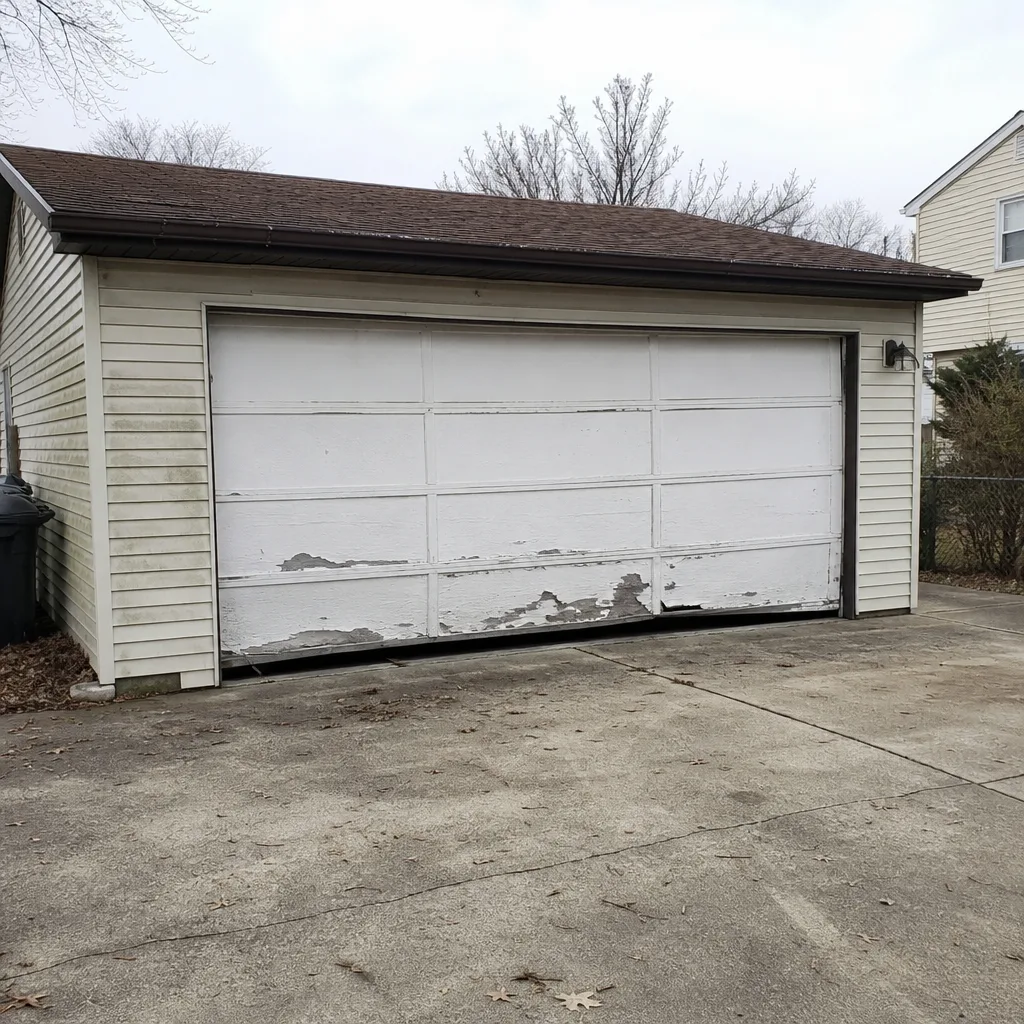 Before
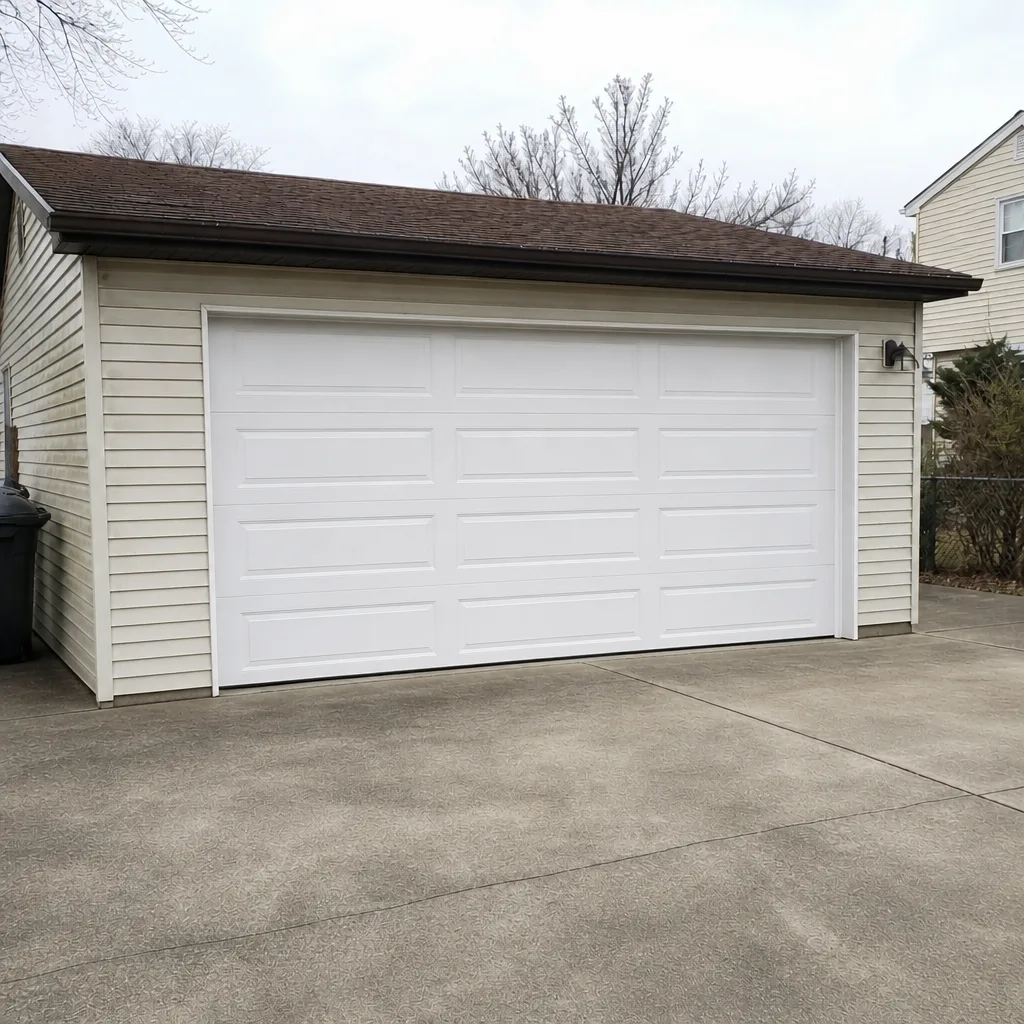 After
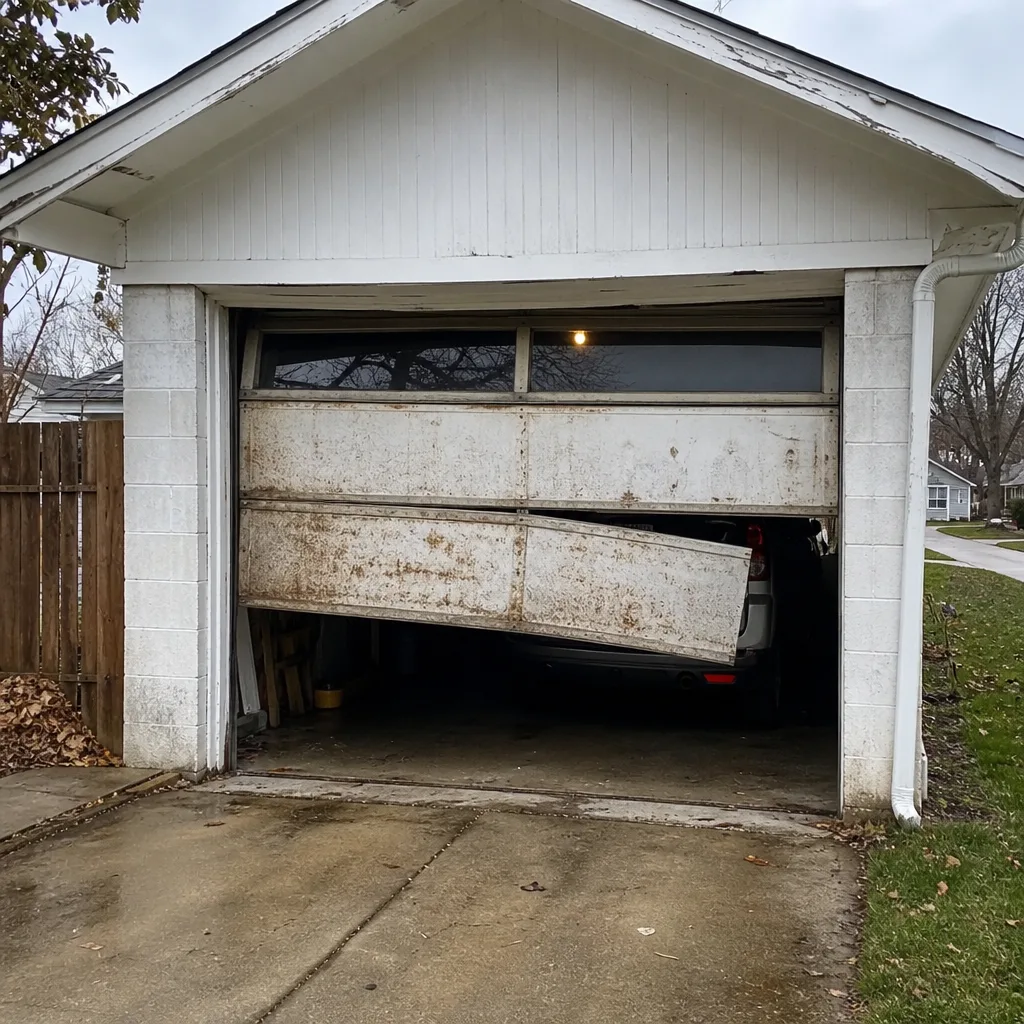 Before
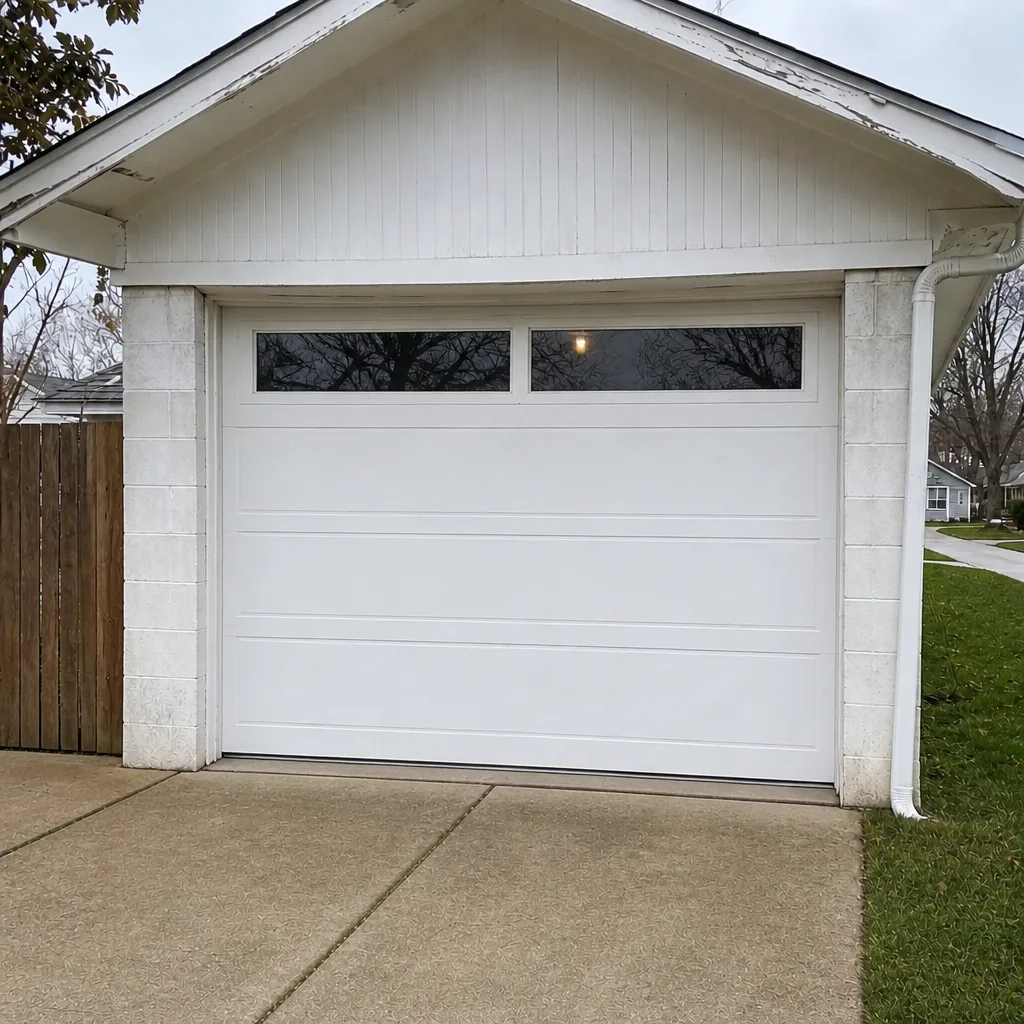 After
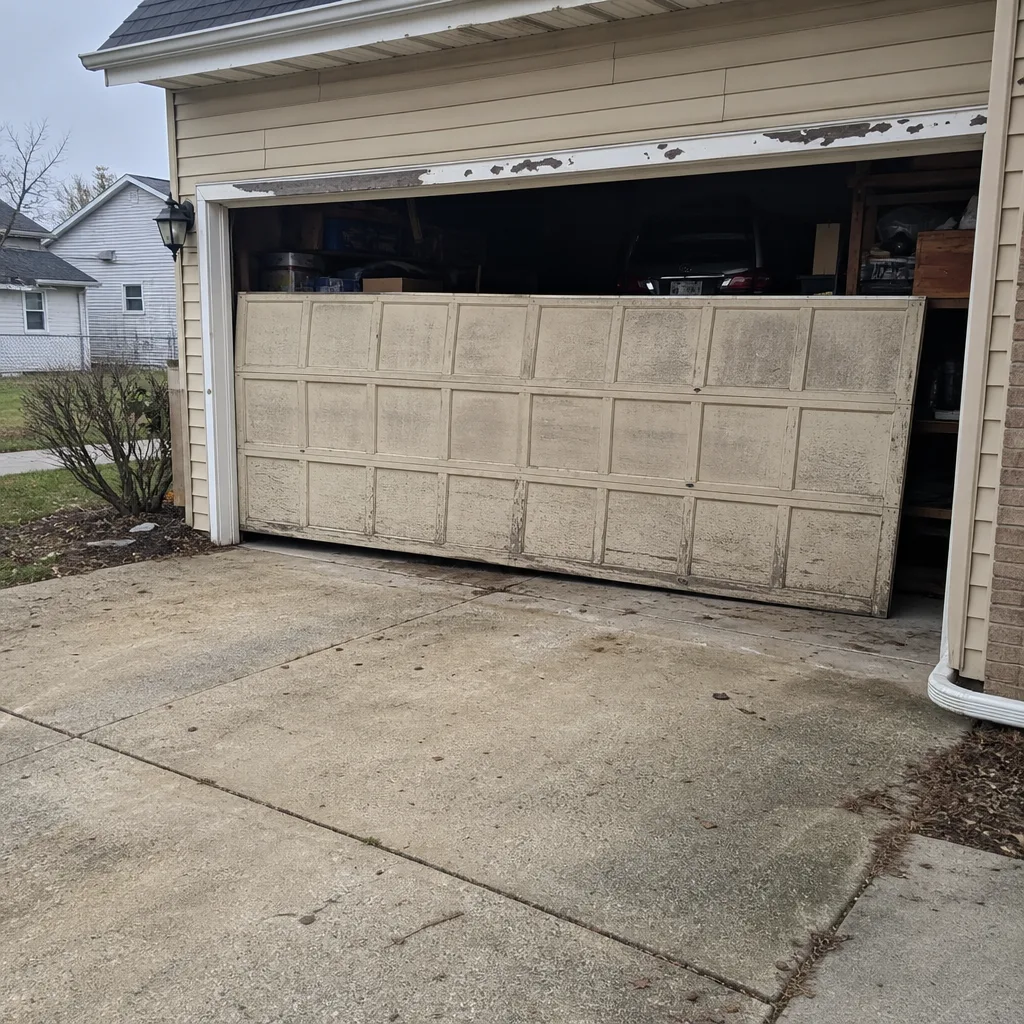 Before
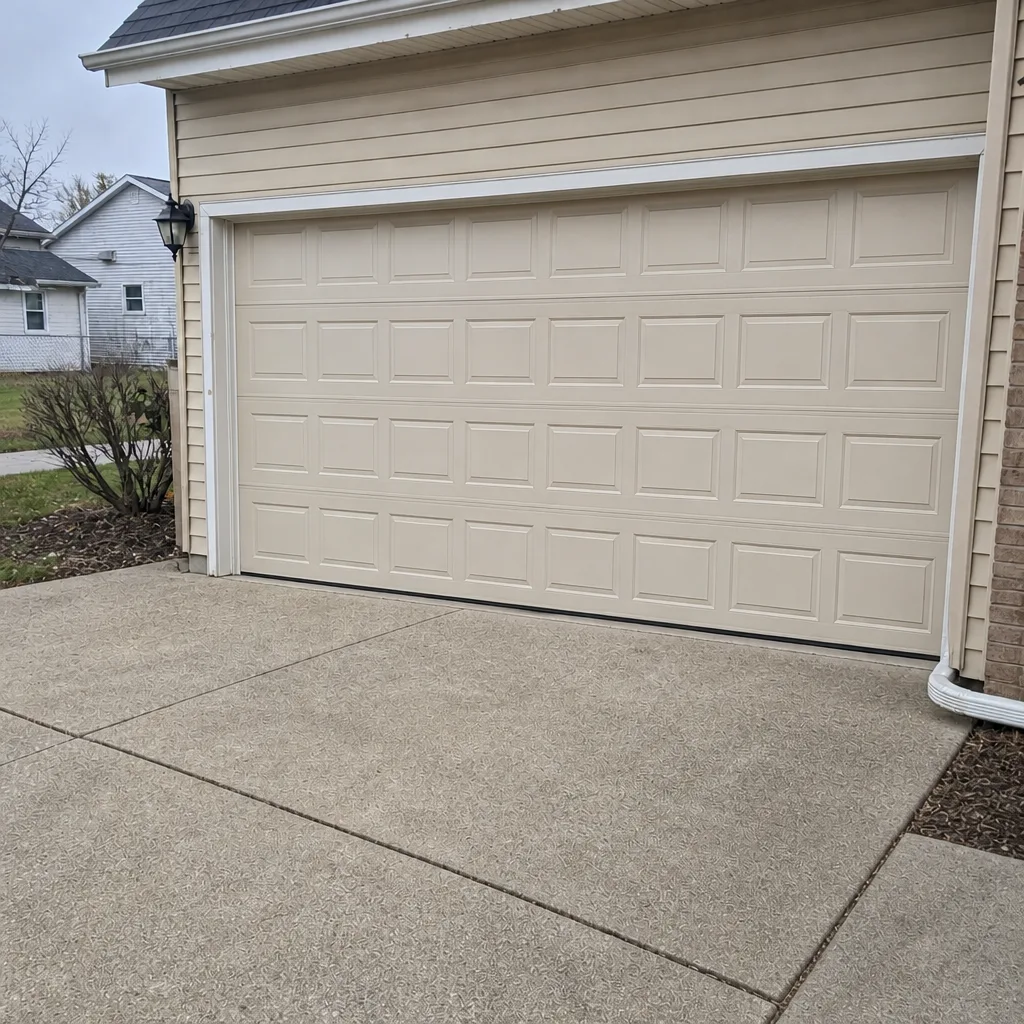 After
When to Call a Professional
Some jobs you can do yourself. Others you shouldn’t touch, because the danger or the diagnostic depth makes a professional call the right move. Call a specialist when: a spring is squeaking, sagging, or has visibly failed; a cable has frayed or come off its drum; the door is off its tracks or refuses to close; the opener won’t reverse or keeps tripping the safety circuit after a sensor realign; a panel is dented, bent, or rusted through; or the door is out of balance after a proper test. Torsion springs, cable tension, and full-system diagnosis are where in-house expertise actually saves money. Waukegan Garage Door Repair Co offers free estimates in Waukegan – call (877) 419-9329. We work on eight major brands across repair, opener repair, spring repair, and installation, so the diagnosis is specific to your system, not a generic guess. If the door has failed and can’t wait, our emergency garage door service is a named core offering. Every price we quote is agreed before any work starts.
Frequently Asked Questions
Lubricate every fall before the first freeze and again in spring. Run the safety reverse and balance tests twice a year. Check cables and drums every 90 days if your household makes 4 to 6 cycles a day. Rinse salt off the bottom panel after winter snow events when temperatures allow.
Use a dedicated garage door lubricant formulated for cold climates; it holds viscosity below 10°F and stays on the coil. Silicone spray works well on tracks and hinges. Avoid motor oil, WD-40 as a primary lubricant, and general-purpose grease, which thickens in the cold and adds drag instead of reducing it.
Check that both sensor indicator lights are steady and not blinking, then wave an object through the beam while the door is closing to confirm the door reverses. Wipe any frost or dust off the lenses, and realign the sensor bracket if the light stays blinking. This two-minute test catches the most common “door won’t close” fault.
Sensor misalignment or a stiff door from lost spring tension is the likely culprit. Check the sensor lights first. If they’re steady and the door still reverses or stops, the springs may be losing tension and the opener may be trying to compensate. Call (877) 419-9329 for an exact quote – estimates are free, and if the door has failed completely we can look at emergency service.
We give a written estimate for each job, and the price we quote is agreed before any work starts. A single torsion spring is typically in the low hundreds of dollars, and a matched pair is usually replaced together at roughly twice the cost of one. For an exact number for your door, call (877) 419-9329 – estimates are free.
Replace the seal alone if the steel is still sound and only the rubber strip is worn. If the bottom panel steel has rusted through, that’s a panel replacement, and whether the panel can be swapped without replacing the door depends on the brand and model. Clopay, Amarr, Wayne Dalton, and Raynor panels vary in availability, so a specialist can tell you which route makes sense.
The Bottom Line
Garage door maintenance in Waukegan isn’t a long list; it’s a short, well-timed one. The tasks that matter most are pre-winter lubrication with cold-rated product, salt rinses on the bottom panel and seal, sensor checks after every hard freeze, and a cable and drum inspection schedule matched to how often you actually use the door. Do those four things consistently and you’ll prevent the failures we get called about most. Skip them and you’ll pay more for the same door. Whatever you can’t safely handle – springs, cables, out-of-balance doors, opener diagnostics – call a garage door specialist. Waukegan Garage Door Repair Co handles all of it in-house, including emergency garage door service when a door has to be fixed now. We service eight major brands, and our technicians have up to 10 years of experience. Call (877) 419-9329 for a free estimate, and get the checklist done before the next cold snap.
Explore more of what we do at Waukegan Garage Door Repair Co.
Written by the team at Waukegan Garage Door Repair Co.
Ready to get that garage door working right? Call Waukegan Garage Door Repair Co at (877) 419-9329 for a free estimate. We handle repair, opener repair, spring repair, installation, and emergency service across Waukegan – same-day availability when we can get you in, and a written quote that’s agreed before we start.