Last updated November 22, 2026
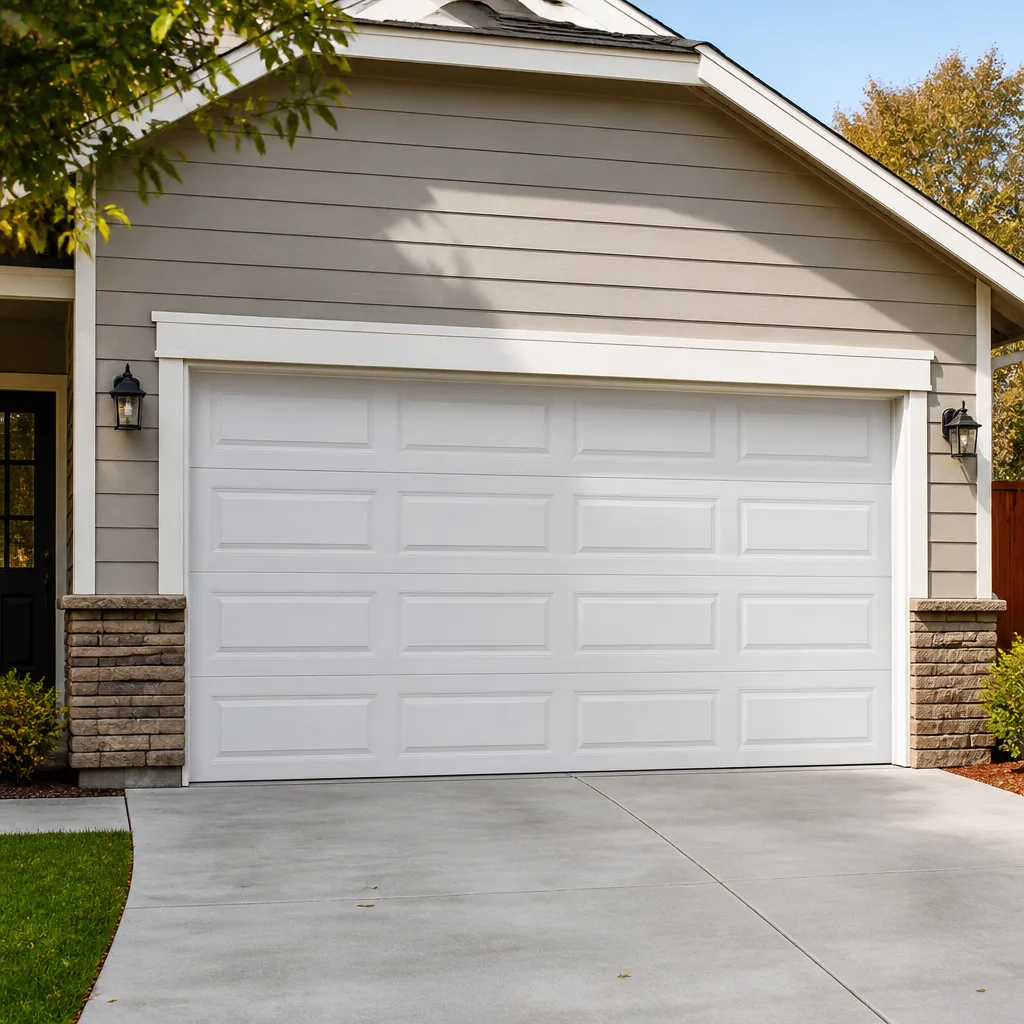 Raised-panel steel
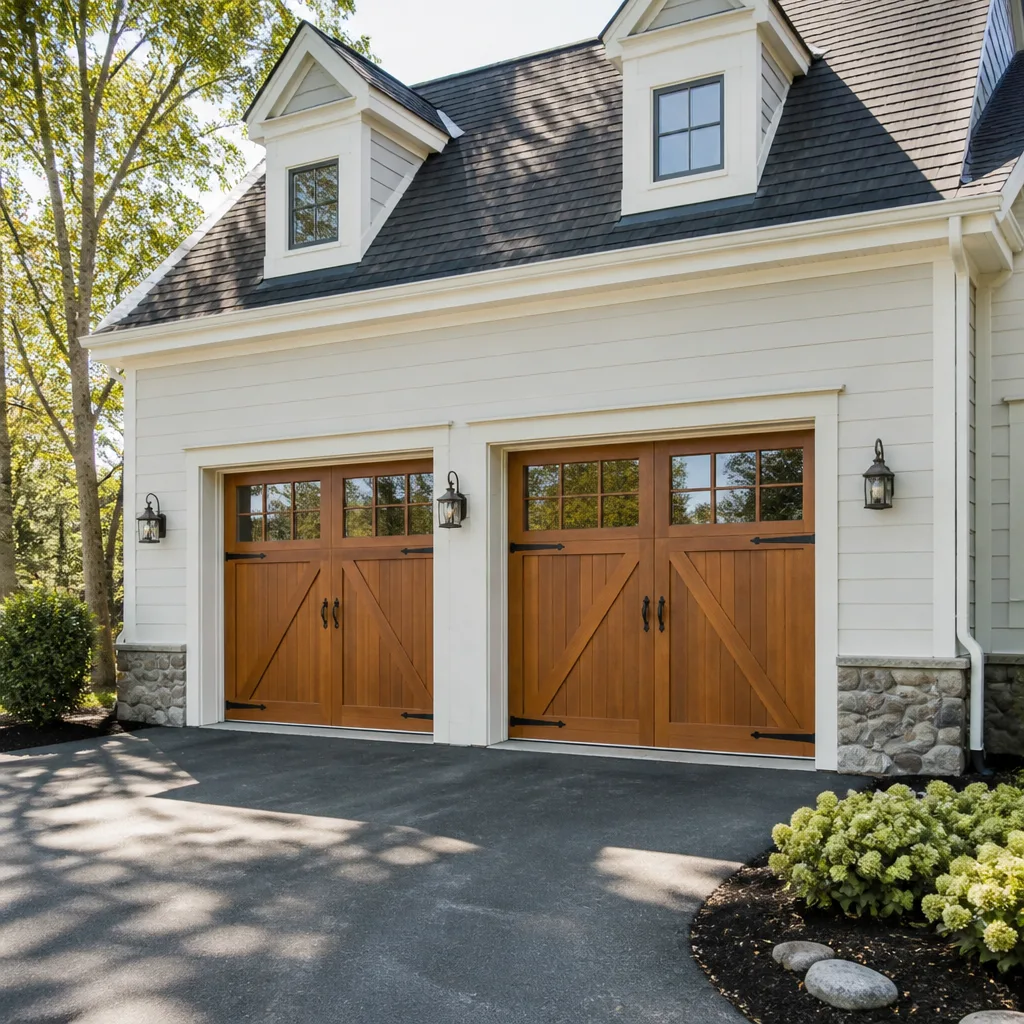 Carriage house
 Modern flush
 Full-view glass
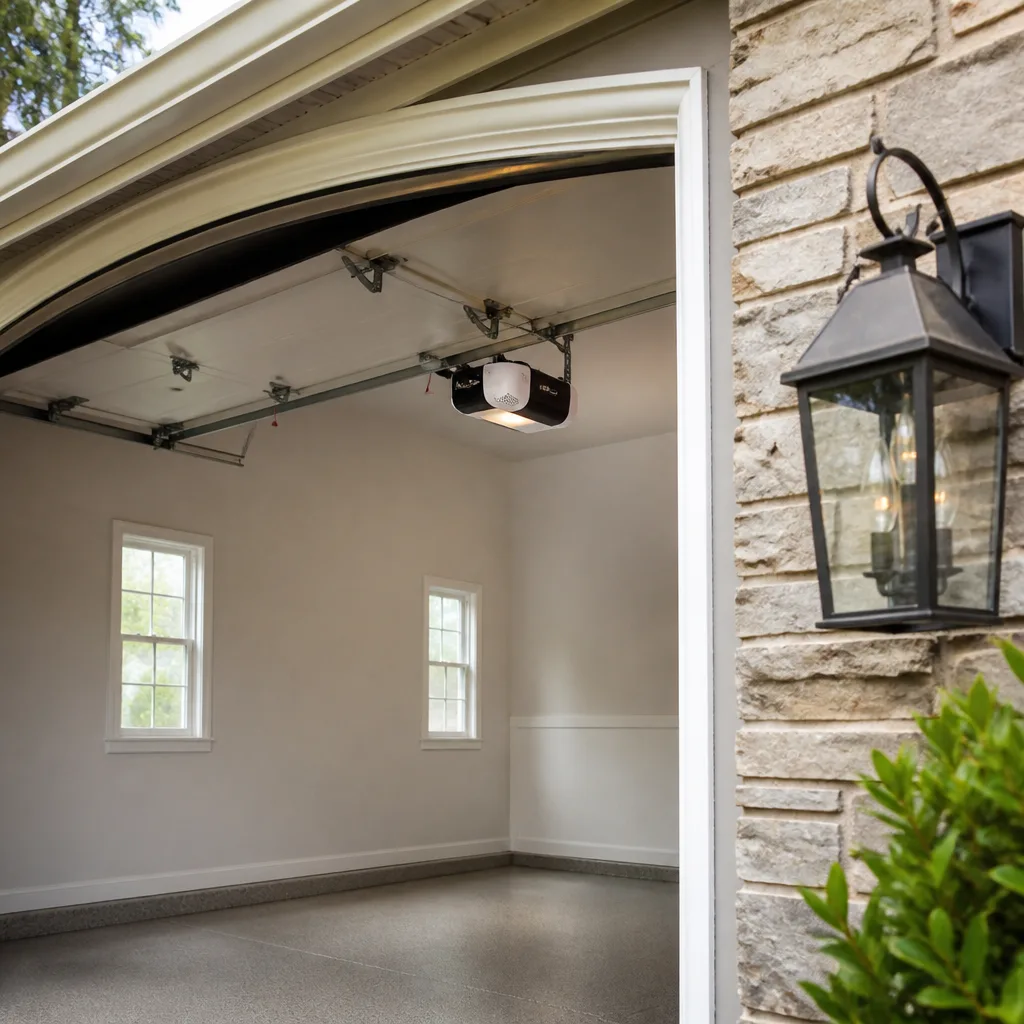 LiftMaster openers
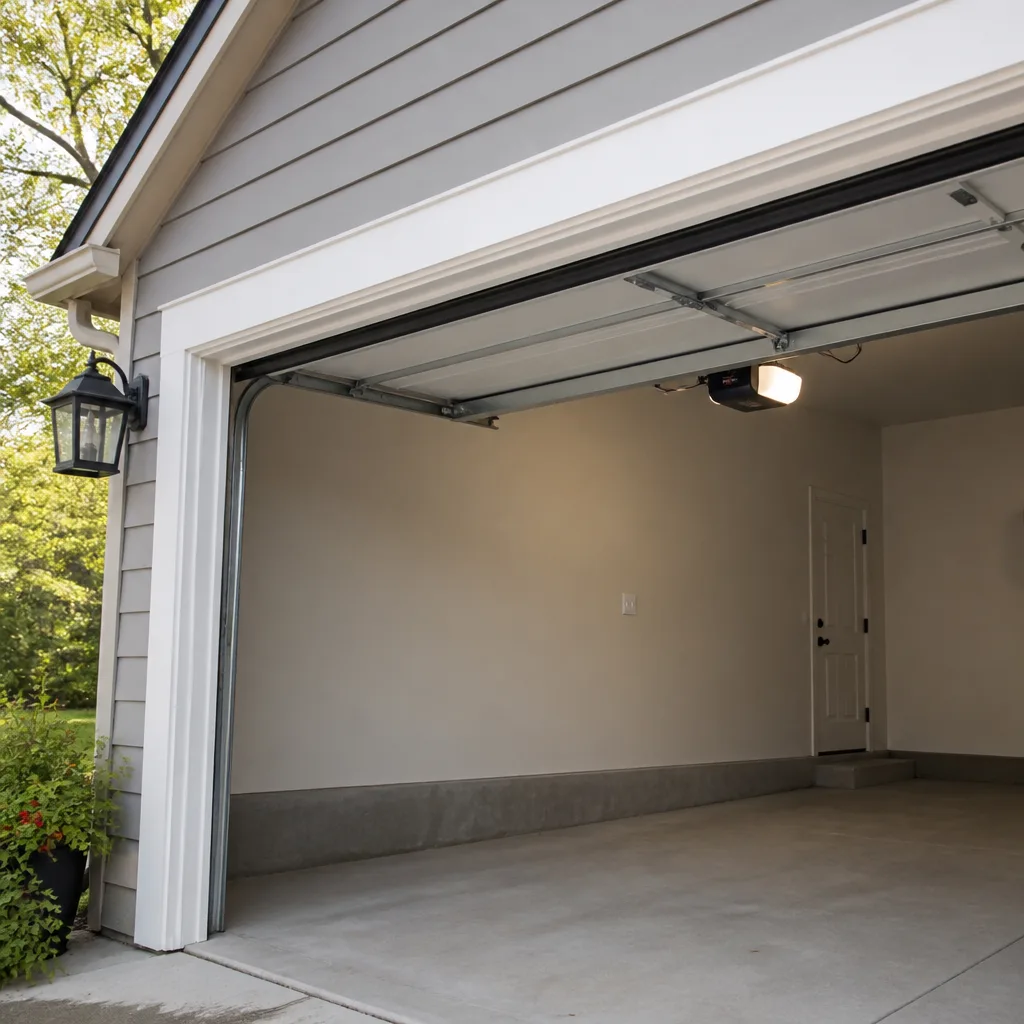 Chamberlain openers
Full 25-point door and opener safety check with every visit - springs, cables, rollers, tracks, and your LiftMaster or Chamberlain opener included
You get a price before we start. It does not change when the pro arrives.
Get your free estimateGarage Door Warning Signs: A Waukegan Homeowner’s Reference Guide
A garage door that reverses before it fully closes is not a sensor problem as often as most people think. In our experience, that symptom traces back to spring tension most of the time, and the difference matters because the two problems need completely different fixes – and one of them is dangerous to touch without training. Homeowners across Waukegan run into this exact fork in the road, and the wrong guess either sends them into a spring assembly they should never handle or makes them ignore a door that’s about to fail. This guide sorts every warning sign into three tiers: stop using the door now, schedule a fix this week, and watch it over time. By the end you’ll know which sounds and behaviors point to which part, and how Waukegan’s seasons change what those symptoms actually mean.
Quick Answer
Garage door warning signs fall into three tiers. Tier 1 – broken spring, frayed cable, a door off its track, or an opener straining against resistance – means stop using the door immediately and call a professional. Tier 2 – grinding, slow travel, an uneven gap at the floor, or a blinking opener light – usually means a repair within the week. Tier 3 – light squeaking, a slight opener delay, worn weatherstripping – is maintenance you can monitor.
Styles & brands we work with
- Raised-panel steel
- Carriage house
- Modern flush
- Full-view glass
- LiftMaster openers
- Chamberlain openers
Table of Contents
- Tier 1 Warning Signs: Stop Using the Door Now
- Tier 2 Warning Signs: Schedule a Repair This Week
- Tier 3 Warning Signs: Monitor and Maintain
- The Warning Signs Homeowners Misread
- Waukegan Seasonal Warning Signs: February vs. August
- What Your Brand Tells You About the Symptom
- The Parts You Should Never Touch Yourself
- Common Mistakes to Avoid
- When to Call a Professional
- Frequently Asked Questions
Tier 1 Warning Signs: Stop Using the Door Now
Tier 1 signs mean the door has a failure that can drop it, snap a cable, or damage the opener if you keep running it. Disconnect the opener, leave the door where it is, and call a professional before you press the button again. Here’s how to recognize each one.
- Broken torsion spring. Look at the horizontal bar above the door. A clean gap of an inch or more in the coil means the spring has snapped. You may also hear a loud bang from the garage. The door will feel extremely heavy when you lift it by hand, and the opener may run but not raise the door.
- Broken extension spring. On older doors with springs running along the side tracks, look for a spring stretched out of shape or dangling loose. A gap in the coil is the giveaway.
- Frayed or snapped cable. Inspect the steel cables on each side where they wind around the drums. Fraying looks like a frayed rope – loose strands sticking out. A cable hanging slack or off its drum is a serious failure. Cables are under extreme tension and can cause severe injury; never try to rewind or reattach one yourself.
- Door off track. If the door is crooked, one side is higher than the other, or a roller has popped out of the track, stop. Running the opener can bend panels and make the repair worse.
- Opener straining against resistance. If the motor hums but the door barely moves, or the opener shudders and stops, it’s fighting something – often a bound track or a failing spring. That’s hard on the opener’s gears and can burn out the motor.
If you see any of these in your Waukegan garage, don’t cycle the door to “test” it. Just call. These are the situations where garage door repair should come before anything else – a trained technician can confirm the diagnosis and make the door safe the same day.
Tier 2 Warning Signs: Schedule a Repair This Week
Tier 2 signs don’t usually mean the door will fall, but they signal wear that gets worse and more expensive if you let it ride. Book a repair within the week rather than waiting for the symptom to escalate into a Tier 1 failure.
- Grinding or scraping. Metal-on-metal grinding usually points to worn rollers, dry or damaged hinges, or a track that’s out of alignment. It wears down parts faster every time the door moves.
- Slow or uneven travel. A door that moves slower than it used to, or one side that lags, often points to a worn opener gear, a weak spring, or a track issue. On a screw-drive or belt-drive opener, a slipping drive can be the culprit.
- Uneven gap at the floor. If daylight shows under one corner but not the other, the door isn’t sitting level. That can be a track adjustment, a bent bottom section, or a worn bottom seal. It’s a common source of drafts and water intrusion in Waukegan’s wet springs.
- Opener light blinking a code. Modern openers – LiftMaster and Chamberlain among them – blink the light a set number of times to report a specific fault. Count the blinks and note the pattern. A technician can read that code and go straight to the problem instead of guessing.
- Door reverses on the way down. If the door stops and goes back up before it reaches the floor and your sensors are clean and aligned, suspect spring tension or limit settings, not the sensors. This is the symptom most often misdiagnosed.
The blinking-light codes are a good reason to know your brand. When we take an garage door opener repair call, the blink pattern tells us where to start on a Genie or a Craftsman unit before we ever arrive. Getting that detail to us saves time on the visit.
Tier 3 Warning Signs: Monitor and Maintain
Tier 3 signs are the normal aging of a mechanical system. They rarely need an urgent call, but keeping an eye on them and handling small maintenance early is how you avoid the Tier 1 failures down the road.
- Light squeaking or squealing. A little squeak as the door travels is usually dry hinges or rollers. If you can safely reach the hinges and rollers with the door closed and the opener disconnected, a proper garage-door lubricant on the pivot points quietens most of it.
- Slight delay in opener response. A half-second pause before the motor engages is usually nothing. If the delay grows, or the opener sometimes doesn’t respond at all, the remote battery or the wall control wiring is worth checking.
- Weatherstripping compression loss. The rubber seal along the bottom and the trim around the sides flatten over time. If you’re feeling drafts or seeing water near the door in spring, the seal is a cheap part to replace and it matters in a climate with real winter.
- Faint rattle at the end of travel. A small rattle when the door finishes opening or closing is often a loose bolt on a hinge or bracket. It’s worth a look before it loosens further.
Set a reminder twice a year to walk around the door with the opener off and look at the springs, cables, rollers and seal. Two minutes twice a year catches most Tier 3 issues before they slide into Tier 2.
The Warning Signs Homeowners Misread
The most expensive part of a garage door problem is often the wrong diagnosis, not the part itself. Homeowners call about the wrong component all the time, and that costs a service visit and sometimes an unnecessary part. Here are the ones we see most.
- “My sensors are bad” when the door reverses. Safety sensors stop a closing door when something crosses the beam. If nothing’s in the way and the sensors’ small indicator lights are steady, they’re likely fine. A door reversing on the way down with clear sensors usually has a spring or limit-setting problem. That’s the misdiagnosis that matters most, because a spring under load is the wrong thing for anyone without training to adjust.
- “My opener is dying” when the door is heavy. A door that lifts a few inches and stops, or the opener shudders and quits, is often a failing spring or a binding track that the opener can’t overcome. Replacing the opener won’t fix a door that’s mechanically stuck. The opener is the messenger, not the cause.
- “The track is bent” when the rollers are worn. Noisy, jumpy travel often traces to flat-spotted nylon rollers, not the steel track. Rollers are a much simpler fix.
- “The springs are fine” when one has broken on a two-spring door. On a door with a pair of torsion springs, one can snap and the other keeps the door partly working. The door feels lighter than a total failure but heavier than normal, and users assume nothing’s wrong. Look for a gap or an uncoiled end on either spring.
- “The remote is broken” when it’s the wall control or the logic board. If the wall button works but the remote doesn’t, or the reverse, the problem has a specific location. Testing both narrows it fast.
If you’re in Waukegan and not sure which component is causing the symptom, describing the behavior over the phone helps. A specialist hears the difference between an opener struggling against a heavy door and a remote that’s lost its connection.
Waukegan Seasonal Warning Signs: February vs. August
Garage doors fail differently in February than they do in August, and knowing the seasonal pattern helps you read a symptom in the right context. Waukegan sits close to Lake Michigan, which means real winter cold, lake-effect snow, and summer heat and humidity. That swing puts specific stress on a door system across the year.
February symptoms
- Door feels heavy or won’t lift. Cold makes steel and the springs themselves stiffer. A spring that’s near the end of its life is more likely to break in a hard cold snap, so a door that suddenly feels heavy in deep winter should be checked, not forced.
- Door binds or stops on a track. Ice and grit can pack into the tracks and on the rollers, increasing resistance. Clearing debris and lubricating helps, but a door that still binds after a clean is a track or roller issue.
- Seal won’t sit flat. Cold stiffens the bottom rubber seal so it doesn’t compress against the floor. A gap at the floor in February is normal up to a point, but if it stays after the thaw, the seal is worn out.
August symptoms
- Opener overheats or stalls. Long daylight and hot garage interiors stress opener motors, especially on a heavy or binding door. An opener that quits on the hottest afternoons but runs fine in the morning points to motor heat combined with a mechanical drag.
- Expansion and binding. Heat expands metal tracks, and a track that was fine in winter can start to bind or rub. Squealing and scraping in summer often traces to this.
- Sensors misread the sun. Direct low sunlight shining into one safety sensor can confuse it, making the door refuse to close or reverse. Check that the sensor indicator is steady; if it misbehaves only when the sun’s at a certain angle, sunlight is the culprit, not the sensor.
A symptom that only shows up in one season is a clue. Mentioning the season over the phone helps us narrow it down on a garage door spring repair call, because the failure mode for a spring in February is different from a track that binds in August.
What Your Brand Tells You About the Symptom
Every garage door system has its own quirks, and the same symptom can mean different things depending on the make. That’s why knowing your brand and model matters. A technician who works across the major manufacturers diagnoses from the actual system in your garage, not from a generic checklist.
- Clopay and Amarr doors. These are common residential steel and insulated doors. Panel dents, bottom-seal wear and section alignment issues are the usual suspects. A gap at the floor on a Clopay or Amarr door often traces to a worn bottom seal or a slightly bent bottom section, not the opener.
- Wayne Dalton. Certain Wayne Dalton models use a proprietary torsion system with a torque-master tube rather than standard springs. That changes how a spring or tension problem shows up, and a specialist who knows the system won’t misdiagnose it as a standard cable issue.
- Craftsman openers. Craftsman units are common in older garages around Waukegan. They report faults through light-blink codes and have their own travel and force-limit adjustment procedure. Reading the blink pattern before a visit saves time.
- LiftMaster, Chamberlain and Genie. These openers report faults through their own codes and indicators. A blinking light is information, not just an annoyance – counting the pattern tells a technician which part to check first.
If you can find the model plate on the opener or the door manufacturer’s sticker on the back of a panel, have it ready when you call. Waukegan Garage Door Repair Co works on LiftMaster, Chamberlain, Genie, Clopay, Amarr, Wayne Dalton, Craftsman and Raynor, so we’re equipped to service the actual brand in your garage.
The Parts You Should Never Touch Yourself
Some garage door maintenance is safe for a homeowner with basic tools. A few parts are genuinely dangerous, and no guide – this one included – should walk you through doing the work yourself. Here’s the line.
- Torsion and extension springs. These hold the full weight of the door under extreme tension. Adjusting or replacing one without the correct tool and training risks serious injury. If a spring is broken or the door feels heavy, call a specialist.
- Cables and drums. The cables wind around the drums under the same tension as the springs. A slip can whip a cable loose. Never cut, rewind or reattach a cable yourself.
- A door off track. Lifting or straightening a door on a bent track can drop the door or bend panels. Leave the repair to a technician.
- The electrical side of the opener. Replacing an opener or hardwiring a wall control involves the home’s electrical circuit. That’s licensed electrical work. Let a professional handle it.
Safe homeowner tasks: wiping the tracks clean, lubricating hinges and rollers with the opener off and the door closed, checking that the safety sensors are aligned, and testing the door’s balance by hand with the opener disconnected. Everything on the tension side of the system – springs, cables, drums – belongs to a trained professional.
Common Mistakes to Avoid
- Forcing a door that’s stuck or heavy. Pushing a binding door with the opener stresses the motor and gears and can worsen a track or spring problem. Leave it and call.
- Replacing the opener when the door is the problem. A new opener on a heavy or binding door just fails faster. Fix the mechanical issue first, then assess the opener with garage door opener repair.
- Ignoring one snapped spring on a two-spring door. Homeowners in Waukegan often don’t notice because the door still moves partway. Running on one spring overloads the other and wears the opener.
- Disconnecting the safety sensors or taping them over to make the door close. This defeats the one part designed to stop the door on a person, pet or object. Fix the sensor; don’t bypass it.
- Over-tightening bolts while troubleshooting. Overtightened hinges and brackets can strip or crack. Leave torque to the trained hand.
- Skipping the twice-a-year check. A two-minute look at springs, cables and seal catches most problems before they escalate. Most Waukegan doors we’re called for have a warning sign that went ignored.
- Assuming a door that reverses on its own is a sensor issue. That’s the most common misread. If the sensors are clear and steady, the door is likely telling you about spring tension or limit settings – a call, not a DIY fix.
When to Call a Professional
Call a professional the moment you see a Tier 1 sign: a broken spring, a frayed or loose cable, a door off its track, or an opener straining against a door that won’t move. Those are the cases where further use can hurt someone or make the repair costlier. Also call for Tier 2 signs if they’ve persisted for more than a week or you’re not sure which component is at fault. When you’re in Waukegan and the door’s behavior is hard to read, a phone call sorts out the tier before anyone touches the door. Waukegan Garage Door Repair Co offers free estimates in Waukegan – call (877) 419-9329. We work on the actual brand in your garage, and our technicians have up to 10 years of experience.
Frequently Asked Questions
The serious ones are a broken spring, a frayed or snapped cable, a door that’s come off its track, and an opener that strains against a door that won’t move. Any of these means stop using the door and call a professional. Springs and cables are under extreme tension and are dangerous to touch without training.
Not necessarily – and often not. If the safety sensors are clean, aligned and showing a steady indicator light, a reversing door usually points to spring tension or the opener’s limit settings. That’s a different and more dangerous fix than a sensor adjustment, so it’s worth a professional diagnosis. Call (877) 419-9329 for a free estimate.
Cost depends on the part and the job. A spring replacement, a cable or roller service, an opener repair, or a track realignment each carry their own price, and a technician can’t quote accurately without seeing the door. You’ll get a written estimate before any work starts, and the written estimate sets the final price. Call (877) 419-9329 – estimates are free.
In most cases, yes. Spring replacement is a standard repair, and it’s the reason a door that’s stopped working can often be back in service quickly. Because we handle spring repair in-house, the technician who diagnoses your door is the one who fixes it. Call (877) 419-9329 for a free estimate.
The local professionals we connect you with are licensed and insured as Illinois requires, and our technicians have up to 10 years of experience. Spring, cable and opener work is done by specialists who work only on garage doors, so the diagnosis is specific to your system. Call (877) 419-9329 for details.
Cold stiffens springs and packs ice and grit into tracks, while heat expands tracks and stresses opener motors. In Waukegan’s climate, a door that binds in February often has an ice or roller problem, and one that stalls in August often has an opener overheating against a mechanical drag. A symptom that tracks the season is a real clue – mention it when you call.
The Bottom Line
The core lesson of this guide is that garage door warning signs come in tiers, and the tier decides whether you wait, schedule, or stop using the door today. A broken spring, a frayed cable, a door off its track or an opener straining against resistance means stop – those are the dangerous ones. Grinding, slow travel, a floor gap or a blinking opener light means a repair within the week. Light squeaking and worn weatherstripping are watch-and-maintain items. The single most common misread is a door that reverses on its own – suspect spring tension before the sensors. When in doubt, call and describe the symptom. For a specialist who works on the actual brand in your Waukegan garage, Waukegan Garage Door Repair Co handles repair, opener repair, spring repair, installation and emergency service, and offers free estimates – call (877) 419-9329.
Written by the team at Waukegan Garage Door Repair Co.
See the difference
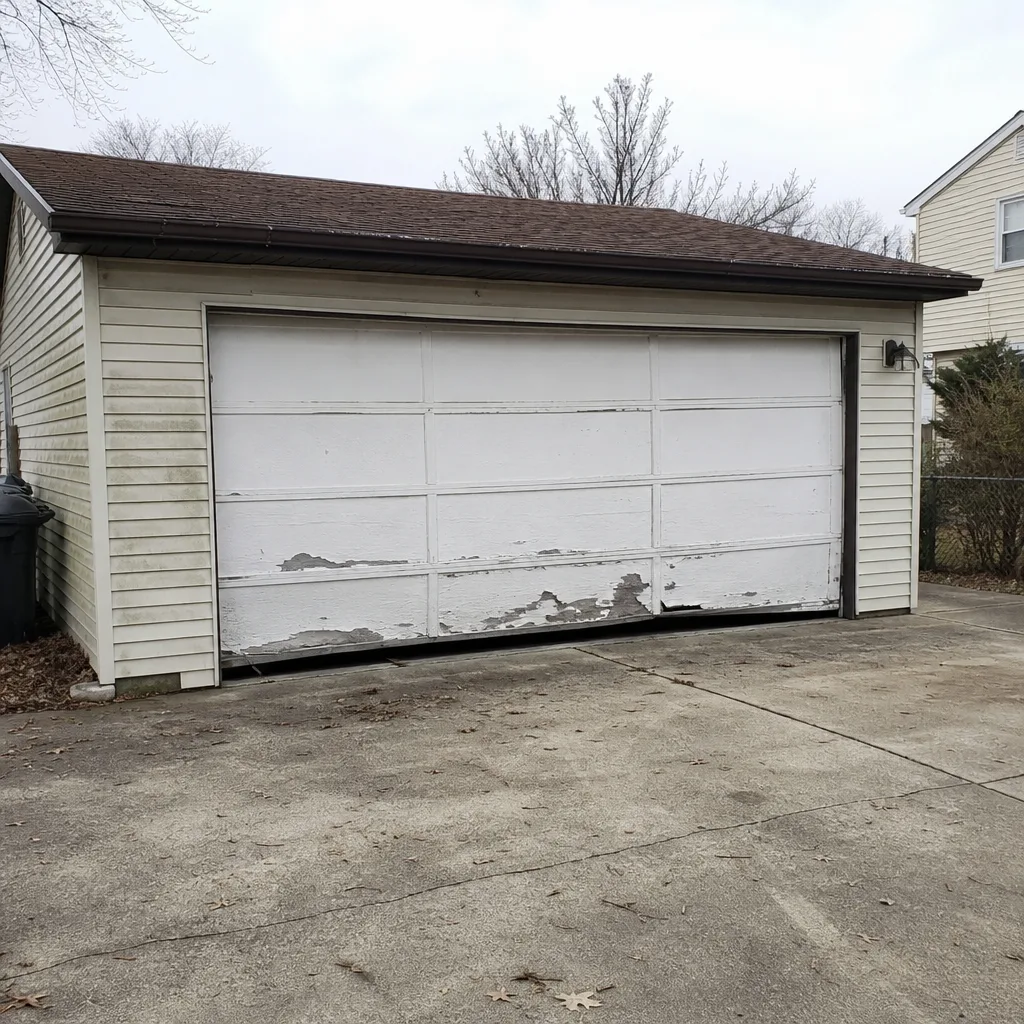 Before
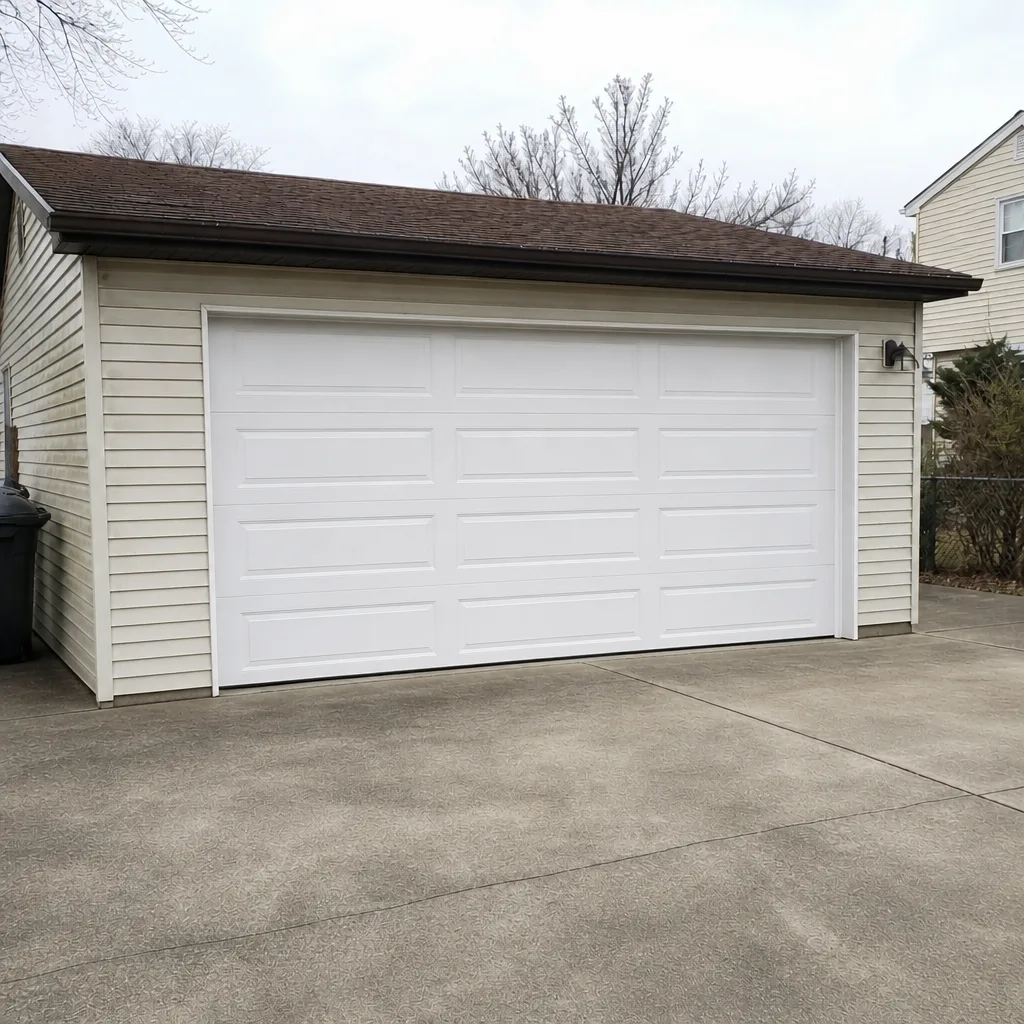 After
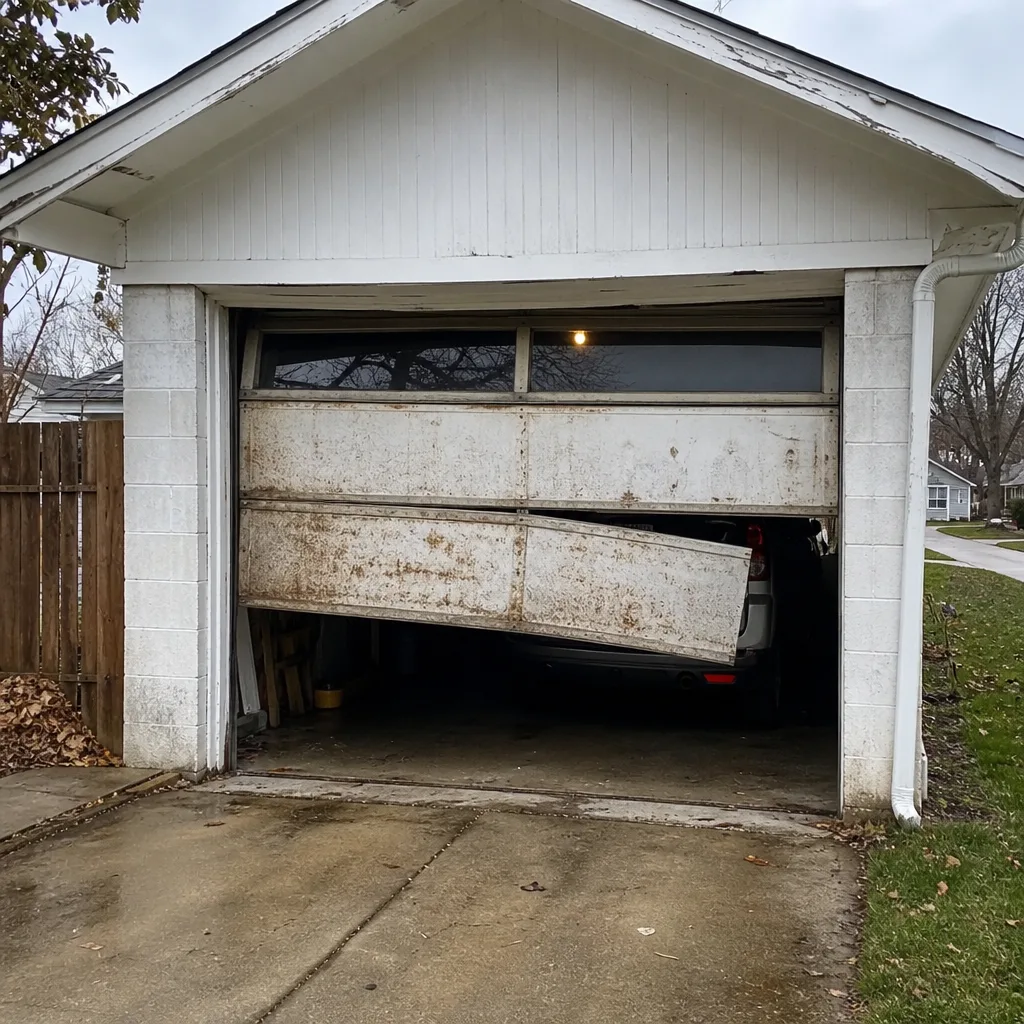 Before
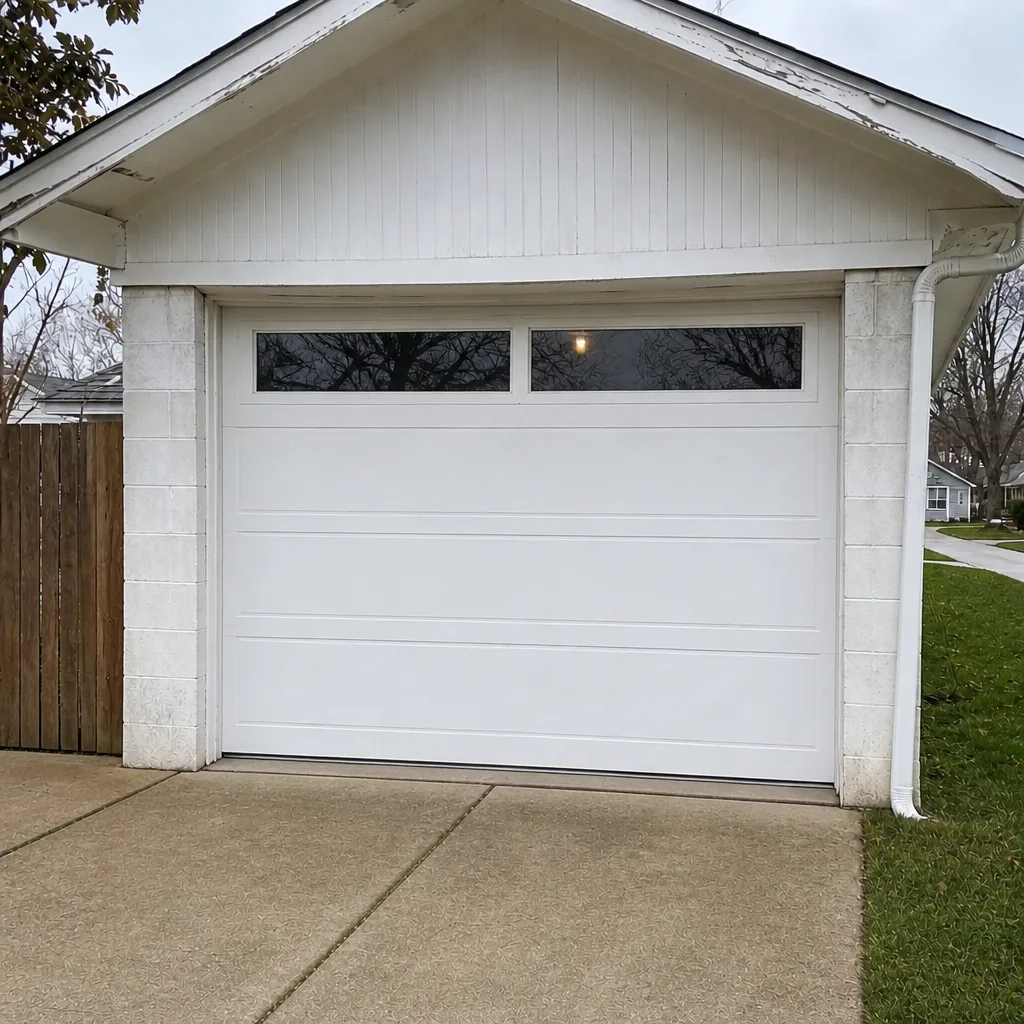 After
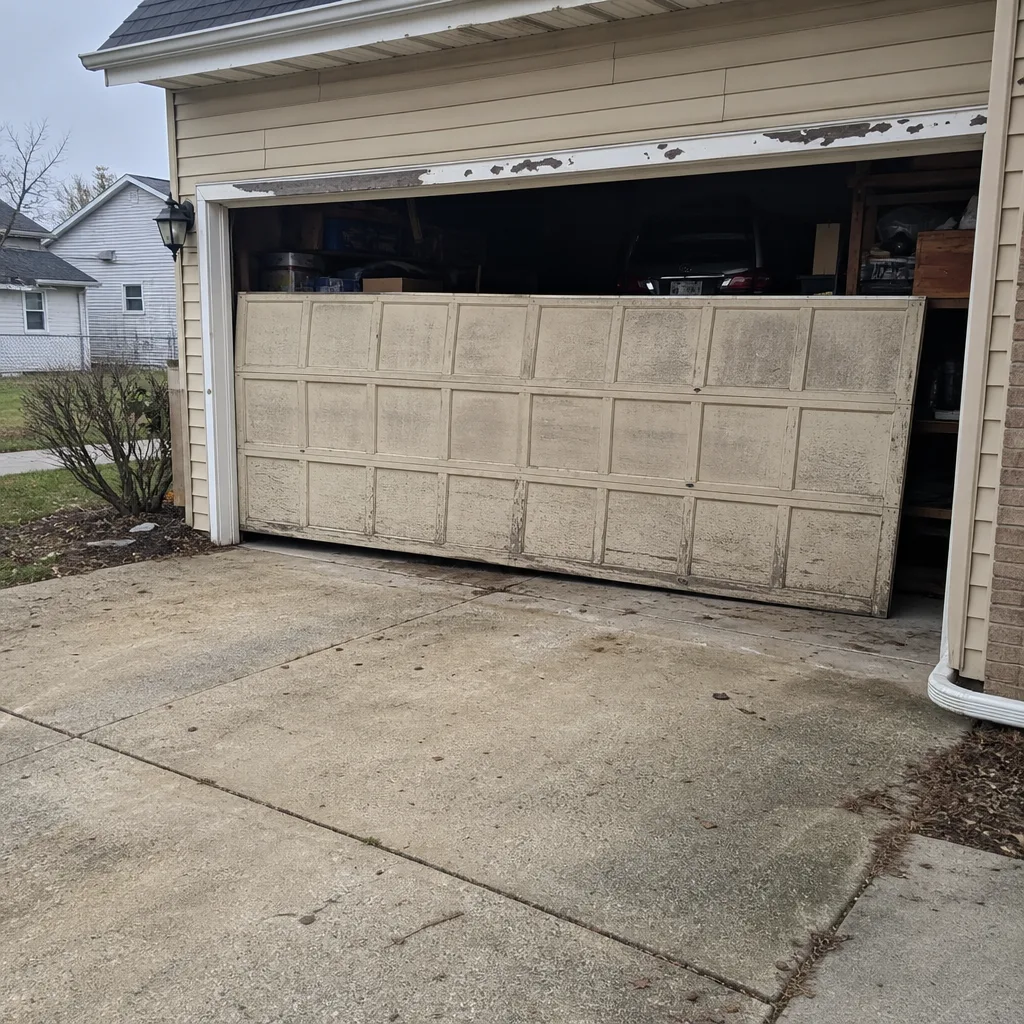 Before
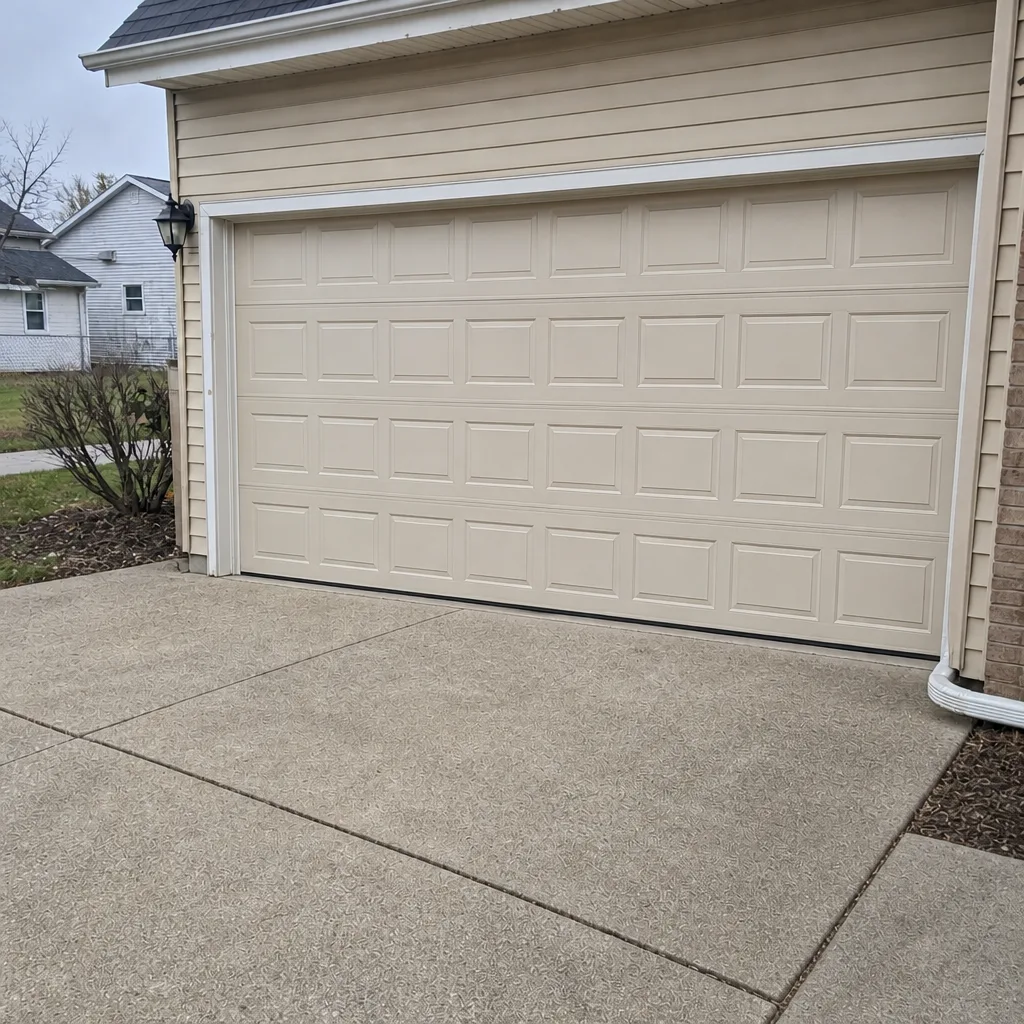 After