Last updated November 22, 2026
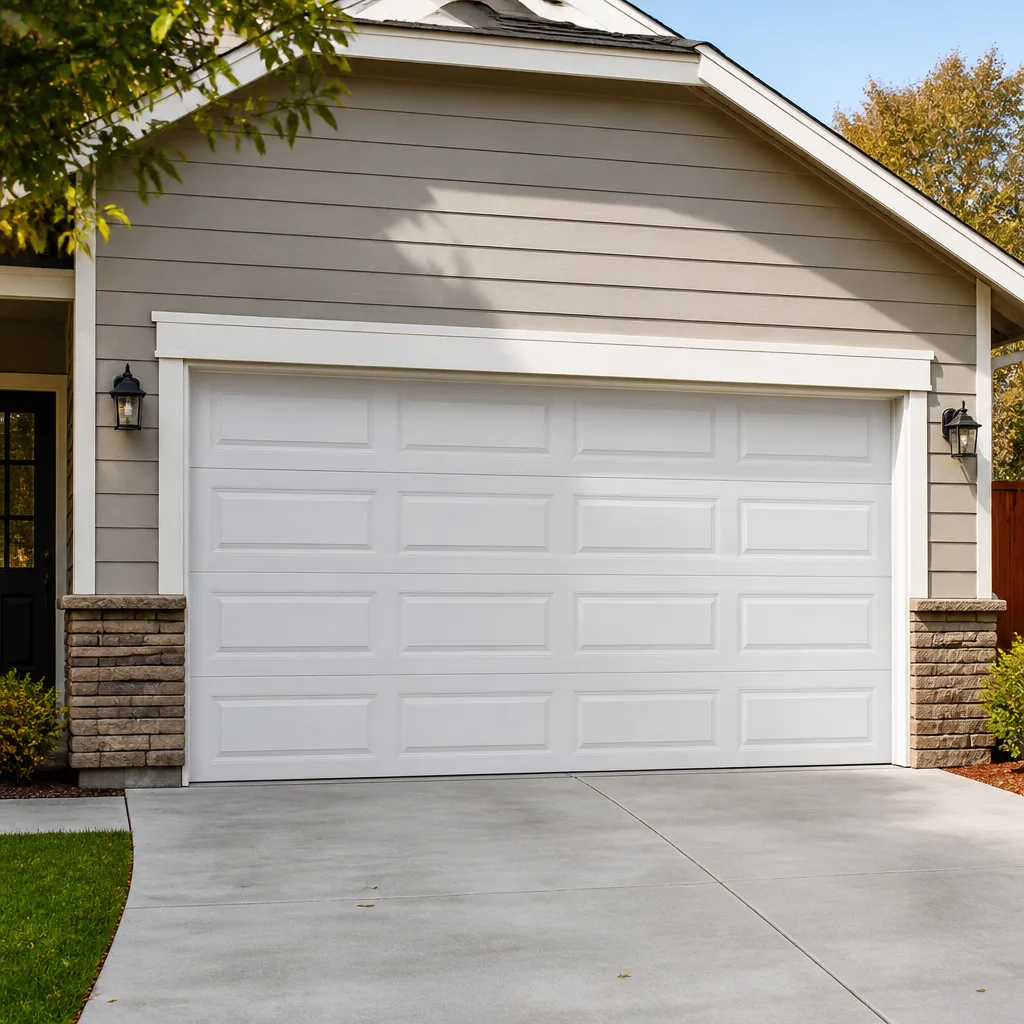 Raised-panel steel
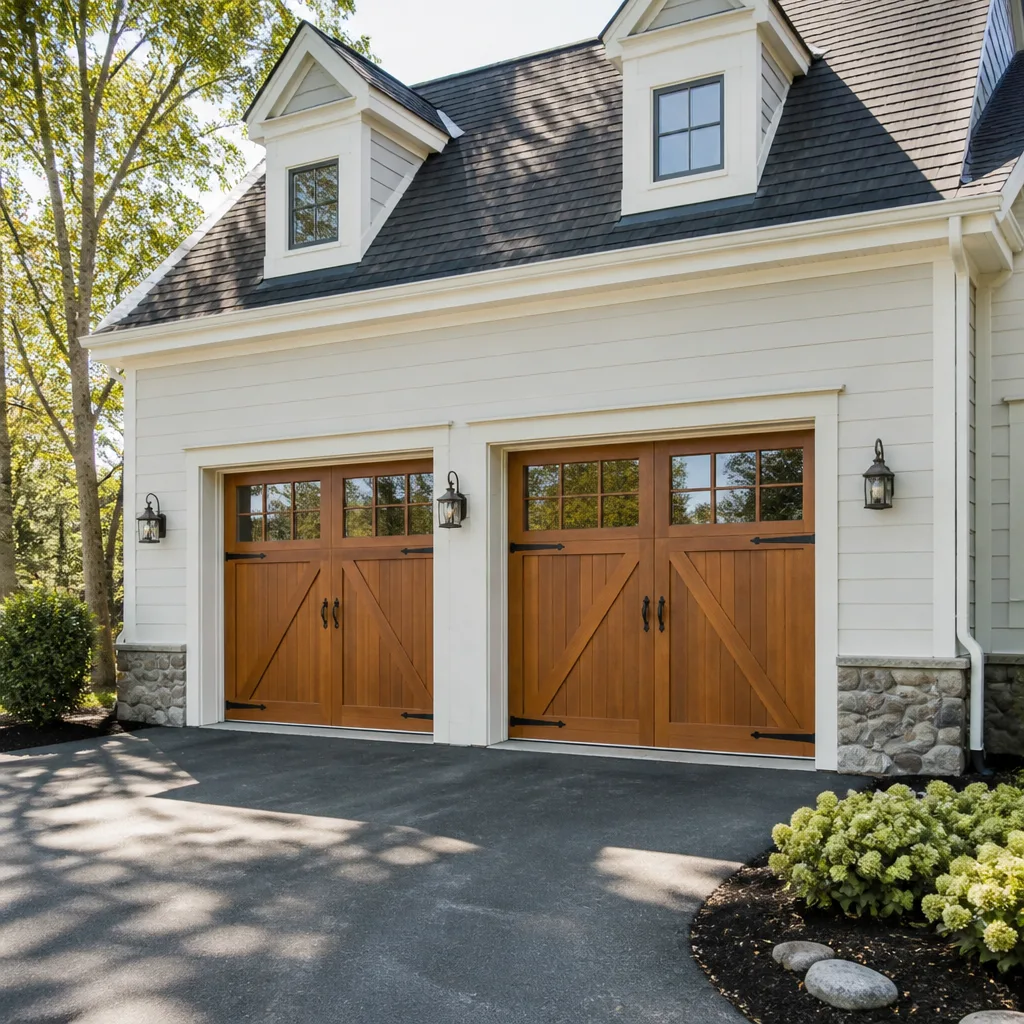 Carriage house
 Modern flush
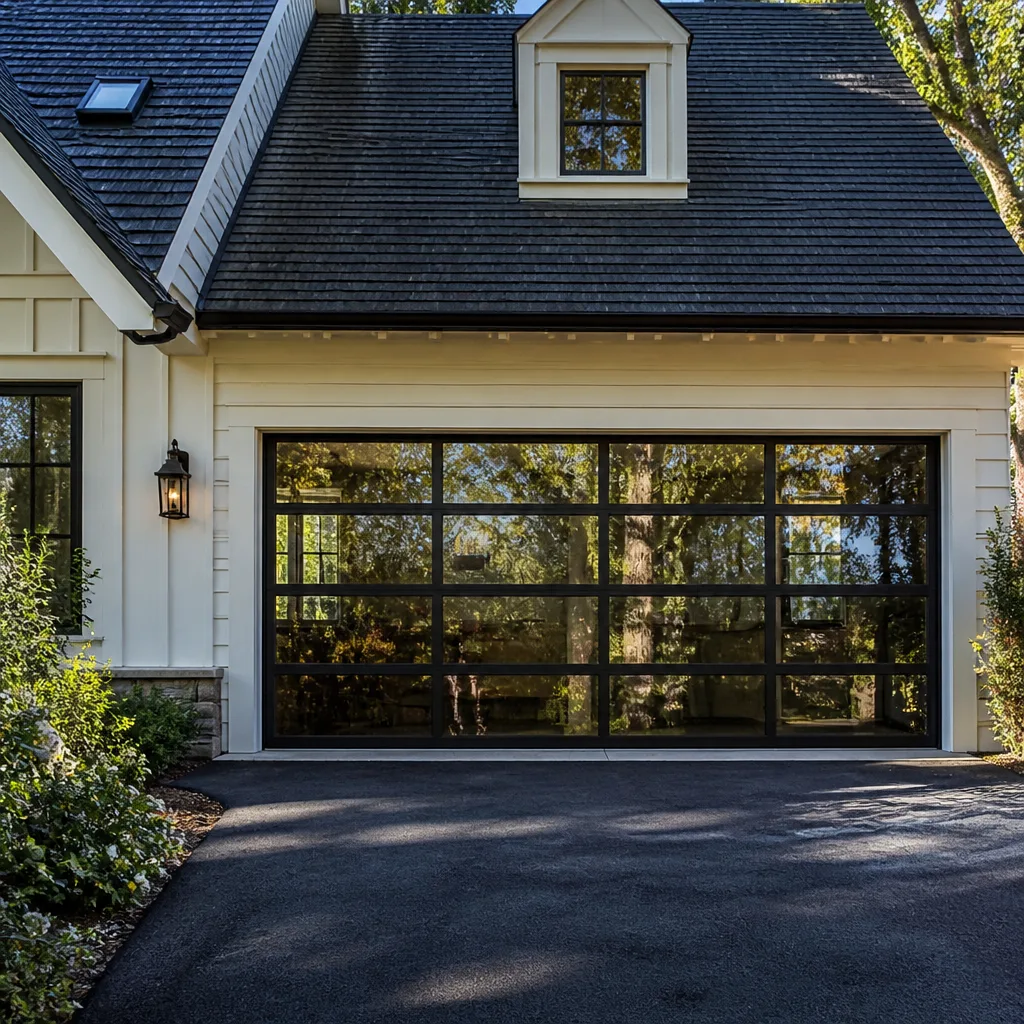 Full-view glass
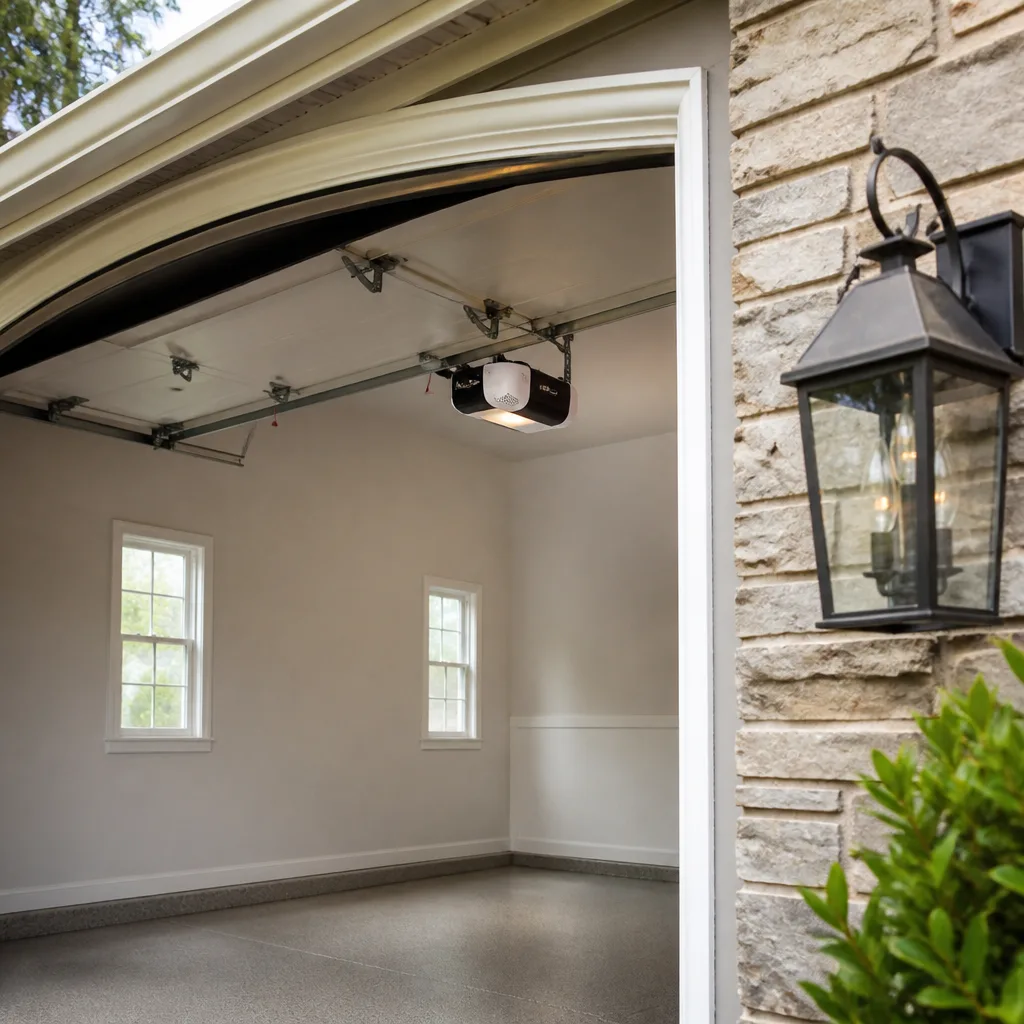 LiftMaster openers
 Chamberlain openers
Full 25-point door and opener safety check with every visit - springs, cables, rollers, tracks, and your LiftMaster or Chamberlain opener included
You get a price before we start. It does not change when the pro arrives.
Get your free estimateSeasonal Garage Door Care for Waukegan: Year-Round Homeowner’s Guide
Ask most homeowners when garage doors break and they’ll say winter. In our experience across Waukegan, the busiest failure window is actually March and April. Freeze-thaw cycles that started in January have been quietly stressing seals, rollers and torsion spring coils for months, and the parts that survived the cold on borrowed time finally give out just as daily open-and-close cycles climb toward summer levels. Winter sets the trap; spring springs it. This guide walks through each of Waukegan’s four seasons as its own maintenance window, with specific tasks, ranked priorities and the differences between attached and detached garages that most generic checklists skip entirely.
Quick Answer
Seasonal garage door care in Waukegan means matching maintenance to each season’s specific failure mode: a post-winter inspection in March and April to catch freeze damage before high-use summer, humidity and lubrication management in summer, a ranked pre-winter service visit in October, and careful handling of frozen doors and strained openers in winter. Attached and detached garages need different attention in every season because heat bleed, condensation and sensor performance all behave differently. The single highest-value visit is the October pre-winter service, because it prevents the majority of January emergency calls we see.
Styles & brands we work with
- Raised-panel steel
- Carriage house
- Modern flush
- Full-view glass
- LiftMaster openers
- Chamberlain openers
Table of Contents
- Spring in Waukegan: The Highest-Failure Season
- Summer: Humidity, Heat and the Lubrication Schedule That Stops Squealing
- Fall: The October Window That Prevents January Emergencies
- Winter: What You Can and Cannot Safely Do
- Attached vs. Detached Garages: How Each Season Differs
- Brand Matters: Reading Your Door’s Specific System
- A Year-Round Maintenance Calendar
Spring in Waukegan: The Highest-Failure Season
Spring is when we field the most calls of the year, and it isn’t because the weather is harsh. It’s because components that were already compromised by freeze-thaw cycles spend March and April under increasing daily load. A torsion spring that lost tension over the winter, a bottom seal that cracked in February, a roller bearing that seized in the cold – each one holds on until the door starts cycling more often in warmer weather, then fails all at once. A focused post-winter inspection catches these problems before they strand a car in the driveway.
Here’s what to look at, in priority order:
- Bottom seal: Run your hand along the rubber or vinyl weather seal at the base of the door. Freeze-thaw damage shows up as hairline cracks, a stiff or brittle feel, or chunks missing from the contact edge. A cracked seal lets in water that refreezes and does more damage the next cold snap.
- Rollers: Open the door partway and look at each roller. Steel rollers that sat in a cold, damp garage can develop flat spots or rust; nylon rollers can crack. Loose or wobbling rollers grind the track and wear the door’s hinges prematurely.
- Torsion spring coils: This is the job for a trained eye, and it’s the one you should not tackle yourself. A spring that has lost tension, shows a visible gap in the coil, or has a stretched section needs replacement before it fails. Torsion springs store enormous energy and can cause serious injury if handled by an untrained person – leave this part to a professional.
- Track alignment: Cold winters shift the ground and the framing around a garage, and that can knock a track out of plumb. Open and close the door a few times and listen for scraping or grinding.
For Waukegan homeowners, this post-winter pass is also the right moment to schedule garage door repair for anything that’s been “working but funny” all winter. A technician will check the balance of the door, the spring tension, the opener’s force settings and the safety reverse – the whole system, not just the part making noise.
Summer: Humidity, Heat and the Lubrication Schedule That Stops Squealing
Summer in Waukegan brings a different set of problems. The humidity is the main culprit for wood doors and for the opener’s electronics. A wood garage door absorbs moisture from the air and can swell, warp or bind in its frame, which puts extra strain on the opener. And opener circuit boards – especially on older units – are sensitive to heat and humidity, so a LiftMaster or Chamberlain opener that works fine all spring can start acting up in July.
On the mechanical side, summer is squealing season. Heat thins the lubricant on rollers, hinges and springs, and the door tells you about it every time it moves. A simple lubrication schedule prevents most of it:
- Late spring (after your post-winter inspection): Apply a garage-door-specific lubricant to the hinges, rollers and the bearing plates. Avoid WD-40 and other light oils – they attract dust and dry out too quickly. Use a lithium or silicone-based lubricant.
- Midsummer: Re-lubricate the rollers and hinges if you hear any squeak or grind. For the torsion spring, a light wipe of lubricant on the coils is enough – don’t spray them heavily, and never touch a spring that’s under tension.
- Track cleaning: Wipe down the tracks with a damp cloth to remove dust and grit, then dry them. Don’t grease the tracks – the rollers need to glide, not slide.
On the opener side, check that the unit isn’t overheating in a hot garage. Give it airflow, clear anything stacked against it, and listen for straining sounds. If your opener is a Genie, LiftMaster or Chamberlain and it’s struggling in the heat, it may need a force-setting adjustment or a service call. That’s exactly what our garage door opener repair service is for.
Fall: The October Window That Prevents January Emergencies
If you do only one maintenance visit a year, make it in October. In our experience, the majority of January emergency calls trace back to something that could have been caught in a single fall service visit. The idea is to get the door into winter shape before the first hard freeze, when it’s still easy to schedule work and the garage isn’t yet a cold, icy workspace. Here are the tasks, ranked by failure risk:
- Torsion spring check and balance test: Pull the emergency release and lift the door halfway by hand. If it doesn’t hold its position, the spring is losing tension and winter’s cold will finish it off. This is the number-one January failure point.
- Weather seal and bottom seal replacement: A worn seal lets cold air and moisture in, and moisture freezes. Replace a stiff or cracked bottom seal before winter.
- Lubrication: Apply your garage-door lubricant one more time ahead of cold weather, when the door is still easy to move.
- Opener force and travel-limit check: Cold temperatures make the door heavier to lift. An opener set right at its force limit in summer will strain in winter. Have the force settings adjusted so the door has headroom.
- Safety reverse test: Place a block of wood on the floor in the door’s path. The door should reverse on contact. Test the photo-eye sensors by passing an object through the beam while the door closes. If either fails, fix it before winter.
- Track and hardware tighten: Just snug up the bolts and hinges. Don’t over-tighten, and don’t touch the spring.
For most Waukegan homeowners, this is the visit to book with a garage door specialist, because the spring balance test and opener force adjustment are the two things most likely to fail in January and the two least safe for a homeowner to tackle alone. If your door needs a new spring heading into winter, schedule garage door spring repair now rather than waiting for a frozen-door emergency.
Winter: What You Can and Cannot Safely Do
Winter is when homeowners are most tempted to fix things themselves, and it’s also the season when a mistake is most costly. Here’s a clear line between the tasks you can handle and the tasks you should hand off.
What you can safely do
- A door frozen to the floor: If the bottom seal is frozen to the concrete, don’t force the opener. Disengage the opener with the emergency release cord, then gently break the seal free with a plastic scraper and warm water – never pry with a metal tool, which can tear the seal or damage the door. Then reengage and open slowly.
- Clear snow and ice from the door’s path: Keep the tracks and the threshold clear. Ice buildup in the tracks is a common cause of winter stalls. Use a broom or plastic shovel, not a metal one.
- Keep the opener’s force setting in mind: If the opener strains or stops partway, don’t keep pressing the button. Repeatedly forcing a struggling opener can burn out the motor. Call for service instead.
What you should not do
- Never adjust or replace a torsion spring yourself. This is the most dangerous part of any garage door and requires specialized tools and training. Leave it to a professional – a trained technician will also check the cables and the door’s balance at the same time.
- Never lubricate or adjust the opener’s internal gears or the spring with the door under tension. If your opener is straining in sub-zero temperatures, that’s a job for someone who knows the specific system.
- Never chip ice off the door’s panels or hardware. Chipping can crack the panel or break a hinge. Let ice thaw naturally or use warm water.
When a door fails in winter, our Waukegan Garage Door Repair Co emergency service is built for exactly that: a named, committed core offering, not an afterthought. If your door is stuck, frozen or straining, call and we’ll get it sorted.
Attached vs. Detached Garages: How Each Season Differs
Most seasonal maintenance advice treats all garages the same, but an attached garage in Waukegan behaves very differently from a detached one, and the differences matter in every season.
Heat bleed in summer
An attached garage shares walls and often a ceiling with the house, so it picks up heat from the living space. In summer, an attached garage can run several degrees warmer than a detached one, which puts more strain on the opener’s circuit board and accelerates lubricant dry-out. Detached garages stay cooler but can swing more wildly between day and night temperatures, which stresses wood doors and seals.
Condensation in fall and winter
An attached garage traps moisture from the house – from laundry, cooking and showers – and that moisture condenses on cold metal: springs, tracks, hinges and the opener’s chain or belt. A detached garage usually runs drier but is more exposed to ground moisture and drafts. In both cases, keep the garage vented, and check for rust on hinges and springs as the seasons turn.
Sensor performance in winter
Photo-eye safety sensors live near the floor, and in winter they’re the first thing to be blocked by snow, salt spray from a wet car, or fogged lenses. In an attached garage, the sensors are more sheltered and less likely to foul; in a detached or unheated garage, they’re exposed to more moisture and cold. Wipe the sensor lenses regularly through winter and make sure nothing is stacked in the beam.
The practical takeaway: attached garages need more attention to heat and humidity; detached garages need more attention to cold, moisture and sensor fouling. If you’re unsure where your system stands, a single inspection tells you a lot. See our full Waukegan Garage Door Repair Co service menu for what each visit covers.
Brand Matters: Reading Your Door’s Specific System
A seasonal checklist is only as good as the person applying it, and that person needs to know the actual system in your garage. A Craftsman opener from the 2000s has different force settings and travel-limit adjustments than a current LiftMaster or Chamberlain unit. A Raynor door’s spring and track configuration differs from a Clopay’s. When someone is diagnosing a seasonal problem, brand-specific fluency is what separates a real fix from a guess.
We’re equipped to service eight leading brands – LiftMaster, Chamberlain, Genie, Clopay, Amarr, Wayne Dalton, Craftsman and Raynor – and that range matters in every season. A summer squeal on a LiftMaster chain-drive opener is a different diagnosis than a summer squeal on a Genie belt-drive. A winter strain on a Craftsman door with a torsion spring is handled differently than on a door with extension springs. This is also why we keep spring work in-house: it’s the most mechanically demanding job on a garage door, and it doesn’t get handed off.
If you’ve inherited a door with no manual and no idea what’s in it, that’s fine. A technician can identify the opener and door model, check the spring type and balance, and give you a written summary of what needs attention season by season.
A Year-Round Maintenance Calendar
Here’s how the four seasons line up into a single, repeatable schedule for a Waukegan garage:
- March-April (post-winter inspection): Check bottom seal, rollers, spring coils and track alignment. Lubricate hinges and rollers. Address anything that survived winter on borrowed time.
- Late spring: Apply lubricant again ahead of summer. Clean the tracks. Check opener airflow.
- Midsummer: Re-lubricate if squealing starts. Wipe sensor lenses. Watch for opener strain in the heat.
- October (pre-winter service): Test the spring balance by hand with the door disengaged. Replace a worn bottom seal. Lubricate. Have the opener’s force and travel limits checked. Test the safety reverse and photo-eye sensors.
- Winter (as needed): Keep the tracks clear, handle a frozen door carefully, and call for service if the opener strains.
Two professional visits a year – the post-winter inspection and the October pre-winter service – cover the highest-risk failure points, while the homeowner handles lubrication and basic visual checks in between. If you haven’t had a professional look at your door in a while, any of these visits is a sensible starting point.
Common Mistakes to Avoid
- Waiting for spring to end before fixing winter damage. March and April are the highest-failure months, not December and January. A door that “made it through winter” is often the one that fails first in spring – get it inspected early.
- Skipping the October pre-winter visit. This is the single most effective prevention step for January emergencies. A balance test and opener force check in fall catch the problems that strand cars in the cold.
- Using the wrong lubricant. WD-40 and other light oils thin out in heat and attract dust, which accelerates wear. Use a garage-door-specific lithium or silicone lubricant on hinges and rollers.
- Forcing a frozen door. Prying a frozen seal or repeated pressing the opener on a stuck door can tear the seal, break a hinge or burn out the motor. Disengage the opener and thaw carefully.
- Lubricating the tracks. Tracks need to be clean and dry; grease makes the rollers slide and can cause the door to jump. Wipe them down, don’t grease them.
- Touching the torsion spring. This is the most dangerous part of the whole system and the most common DIY injury in garage door work. Balance tests by hand are fine; adjustment and replacement are a job for a professional.
- Ignoring sensor fouling in winter. Snow, salt and fogged lenses at the photo-eye sensors are a common cold-weather failure. Wipe the lenses and clear the beam regularly.
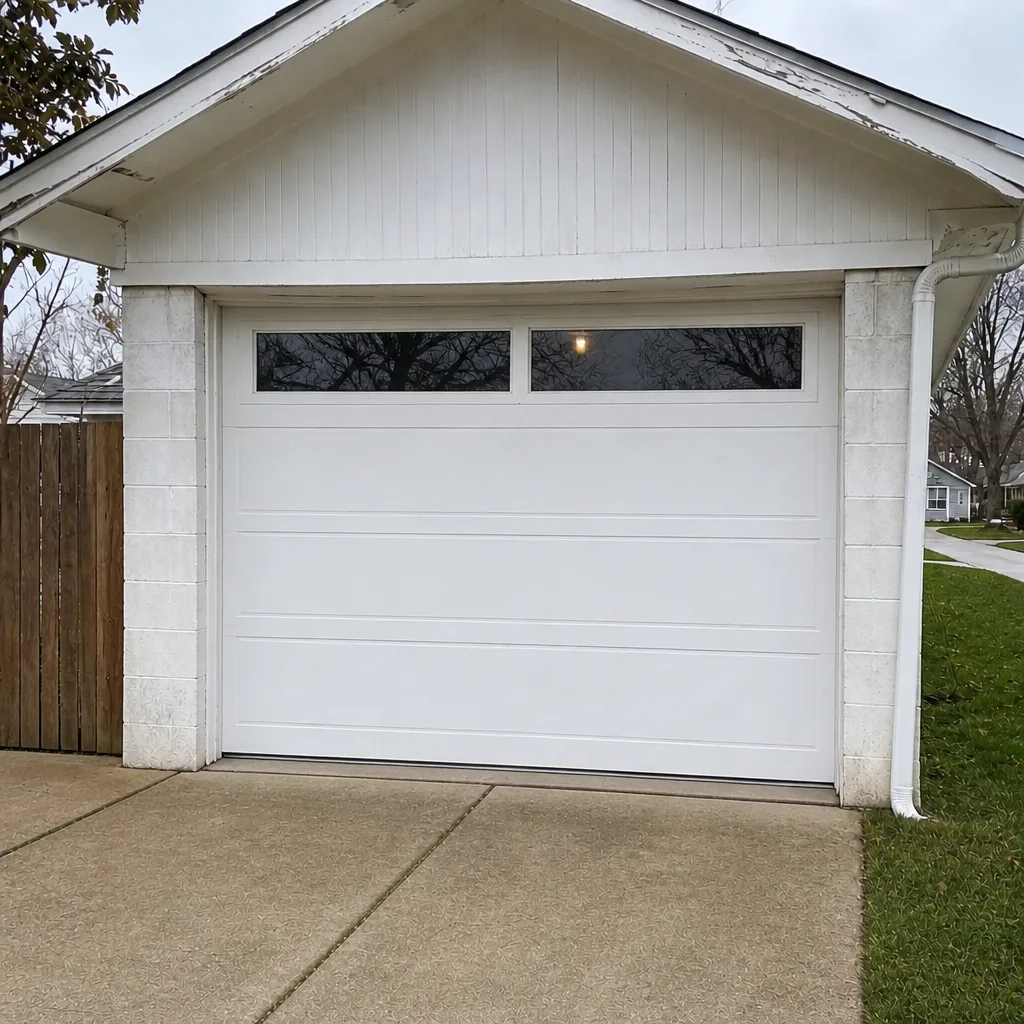
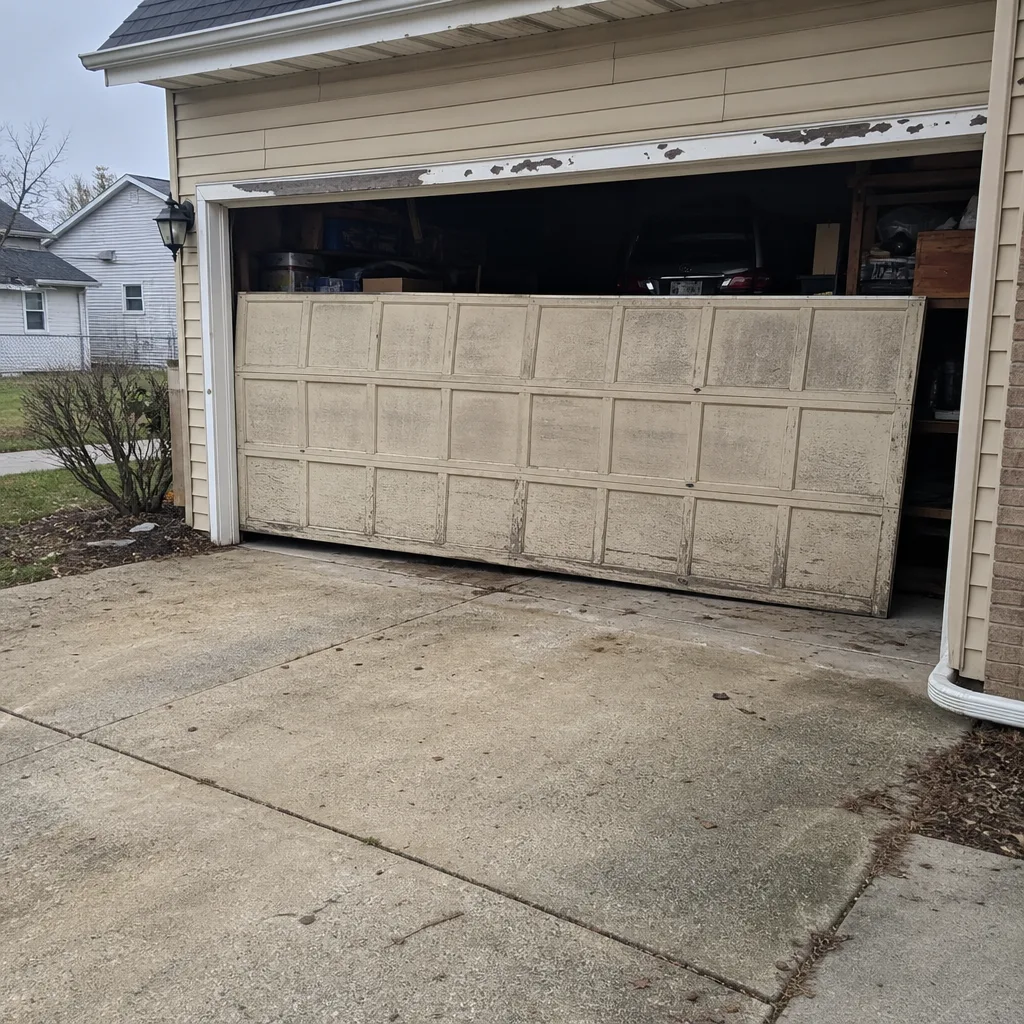
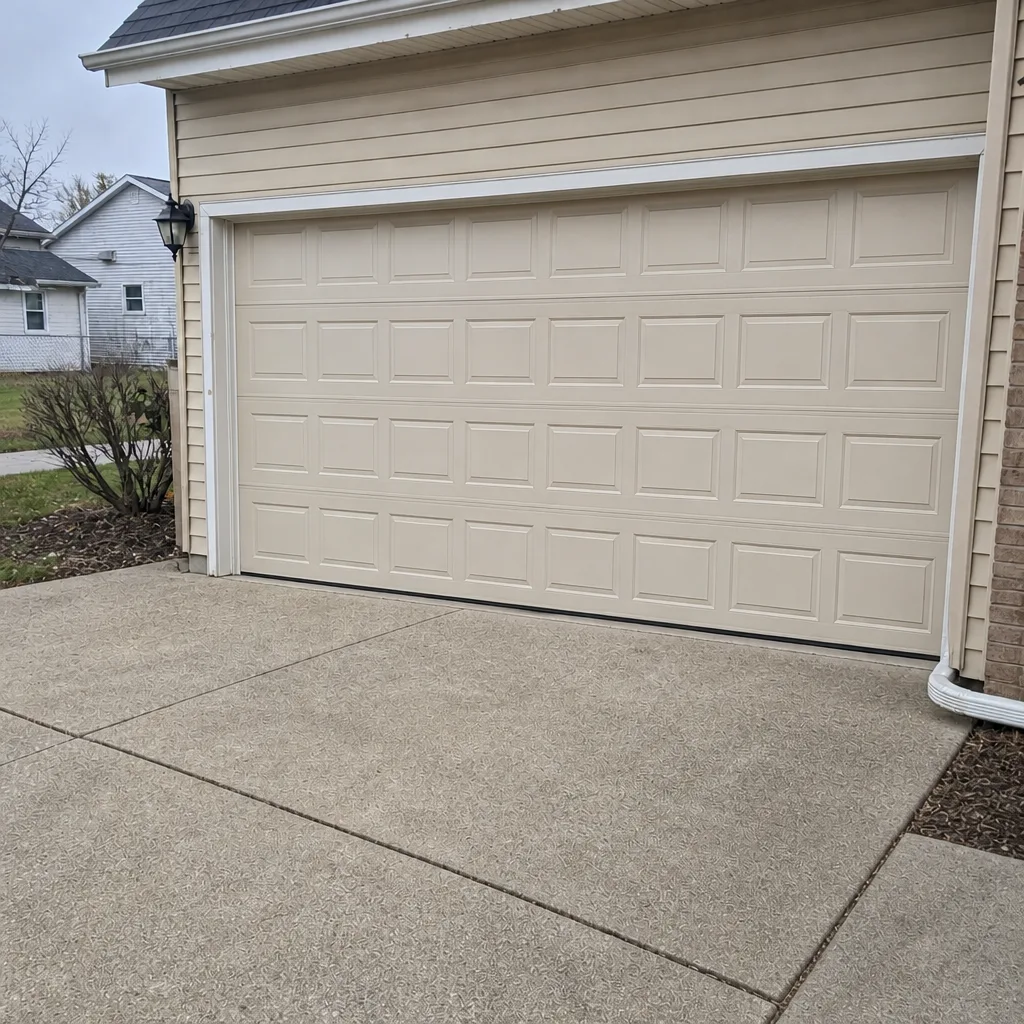
See the difference
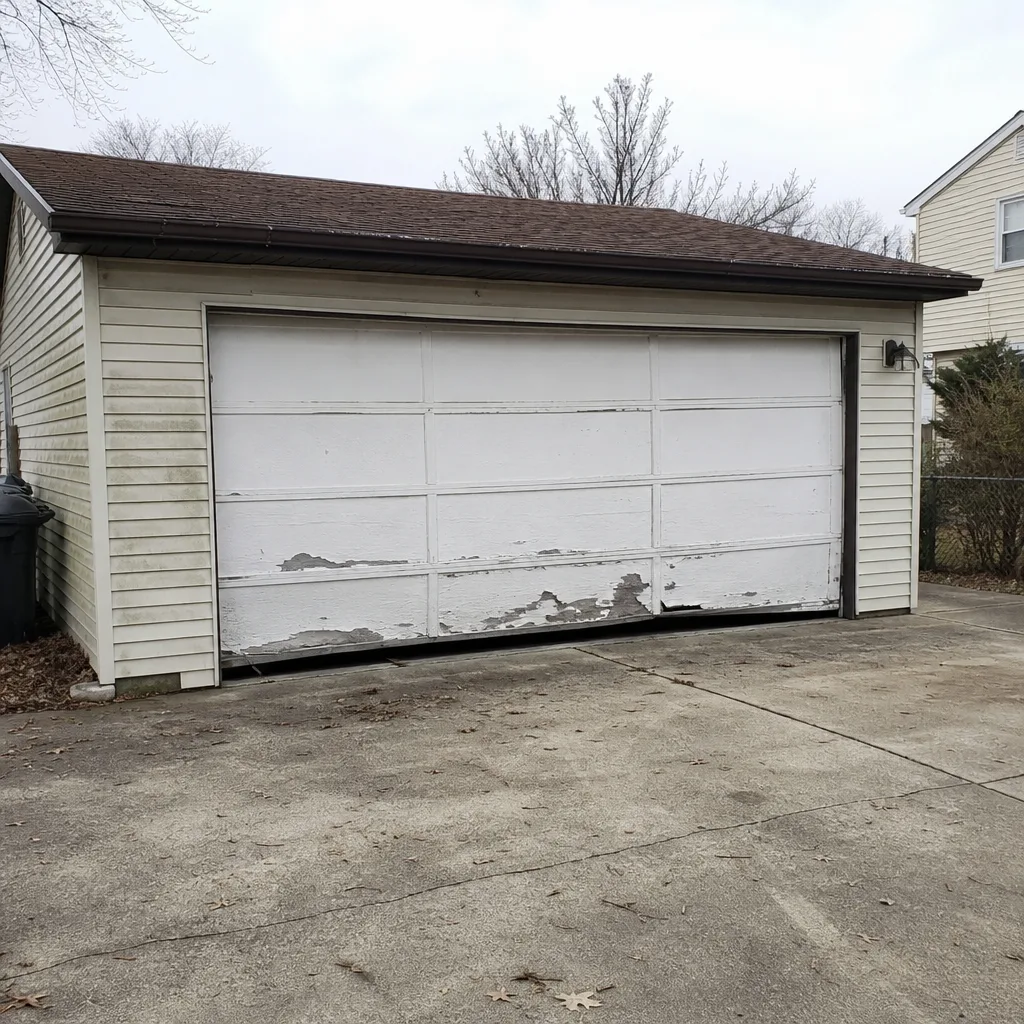 Before
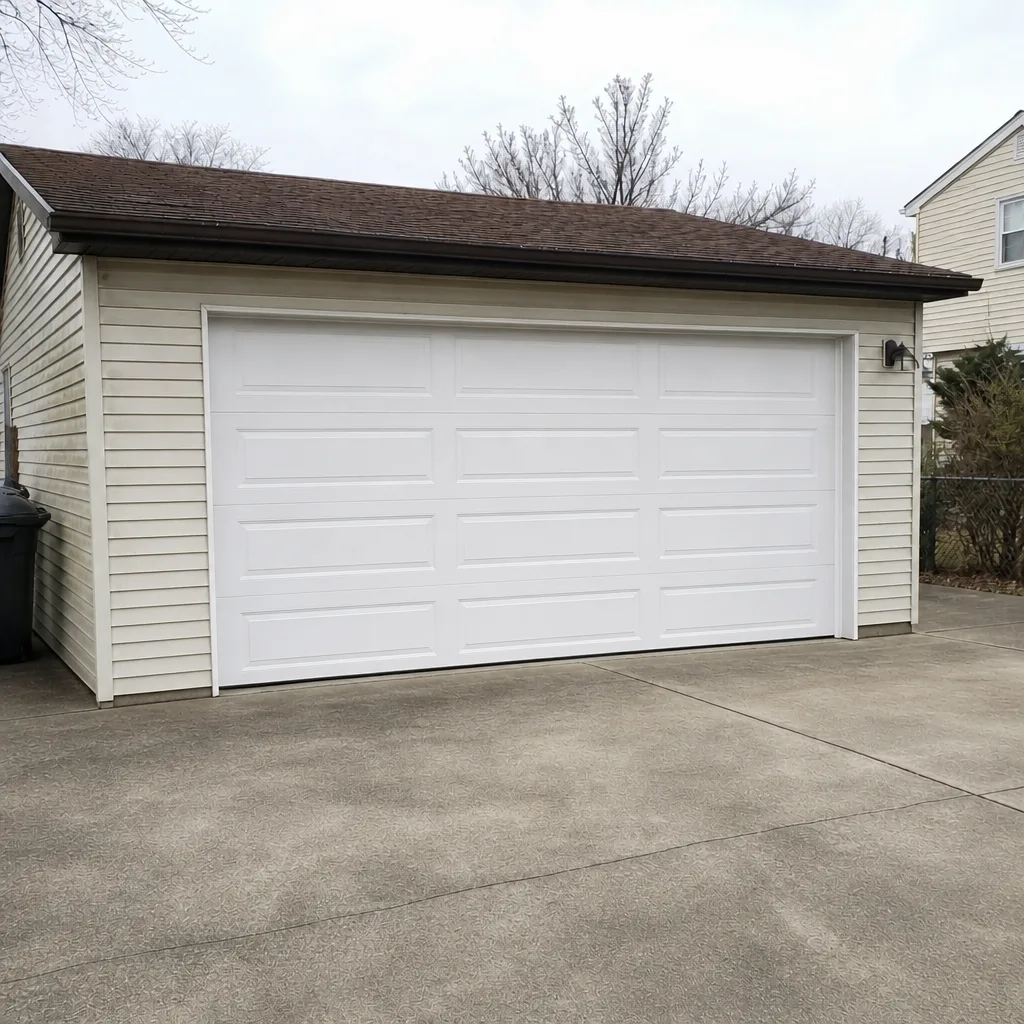 After
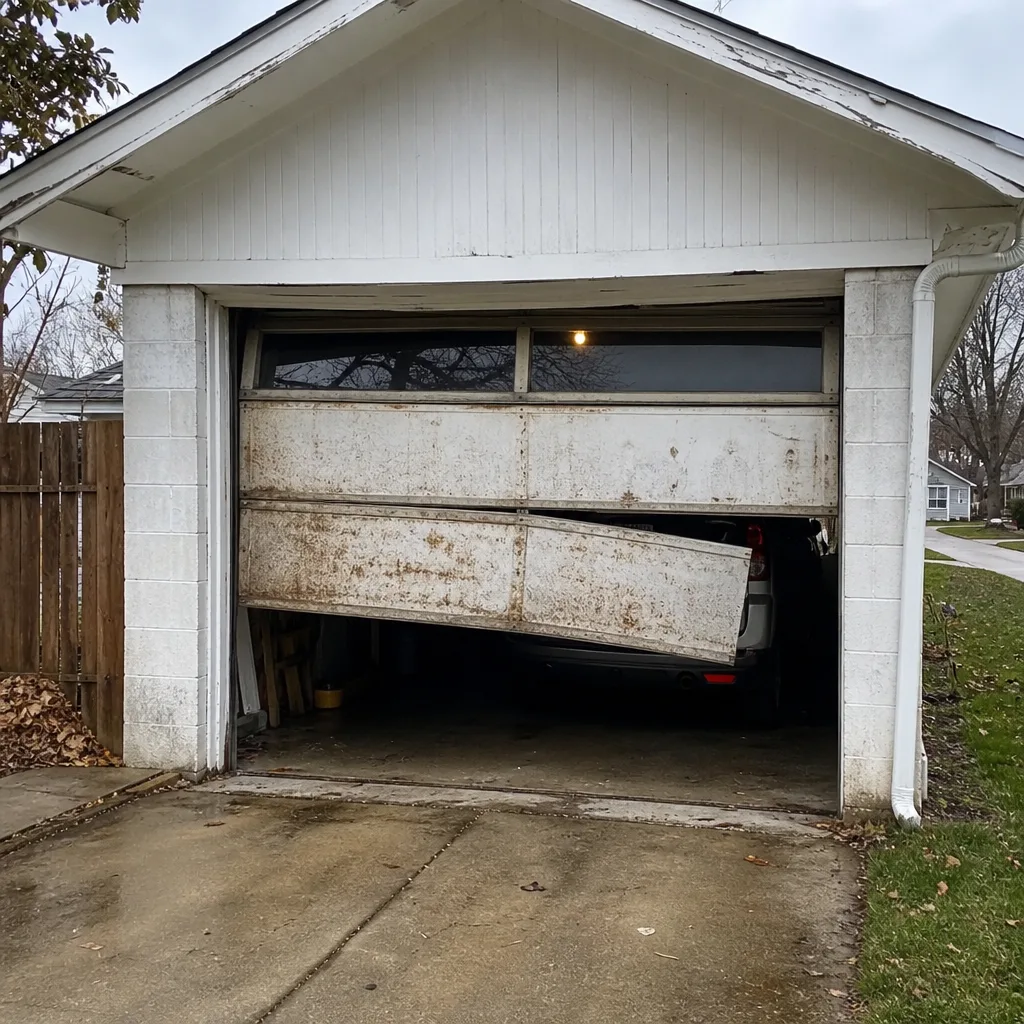 Before
 After
 Before
 After
When to Call a Professional
Some seasonal tasks are homeowner-friendly: lubrication, track cleaning, visual seal checks and clearing snow. Others call for a specialist. Call us when your door fails its balance test in October, when a spring shows a visible gap or loss of tension, when your opener strains or stops partway in any season, when a frozen door won’t free up after careful thawing, or when the safety reverse or photo-eye sensors fail a test. We also field plenty of calls for a genuine emergency – a door off its track, a snapped spring, a car trapped inside. Our technicians have up to 10 years of experience, and we handle springs in-house. Waukegan Garage Door Repair Co offers free estimates in Waukegan – call (877) 419-9329.
Frequently Asked Questions
The October pre-winter service visit is the single highest-value task, because it prevents the majority of January emergency calls. It includes a hand balance test of the spring, a bottom seal check, lubrication and an opener force and safety-reverse test. Call (877) 419-9329 to schedule one before the first hard freeze.
Because freeze-thaw cycles damage seals, rollers and spring coils through the winter, and the components that survived on borrowed time give out in March and April as daily open-and-close cycles increase. The failure looks like a spring problem but started in January. A post-winter inspection catches it early.
No. Torsion springs store enormous energy and can cause serious injury if handled by an untrained person, which is why spring work requires specialized tools and training. Balance tests by hand with the door disengaged are fine, but spring adjustment and replacement should go to a professional. Our spring work is kept in-house – call (877) 419-9329.
Apply a garage-door-specific lithium or silicone lubricant to the hinges and rollers in late spring, again in midsummer if squealing starts, and once more ahead of winter in October. Never use WD-40 or light oils, and don’t grease the tracks.
A worn or cracked bottom seal lets in moisture that freezes and bonds the door to the concrete. If the door is frozen, douse the seal with warm water and gently break it free with a plastic scraper – never pry with metal. To prevent it, replace a damaged seal in the fall before the first freeze. For a seal replacement or a door that won’t free up, call (877) 419-9329.
Yes. LiftMaster, Chamberlain, Genie, Craftsman and the other brands we service have different force settings, travel limits and drive mechanisms, so the right maintenance depends on the actual system in your garage. We’re equipped to service eight major brands and identify yours on the first visit. Call (877) 419-9329 for a free estimate.
The Bottom Line
Waukegan’s four seasons each stress a different part of your garage door, and treating each season as its own maintenance window – rather than running a generic twice-a-year checklist – is what keeps the door working when it matters. Spring is the highest-failure season because winter’s damage surfaces under the increased use of warmer months. Summer is about humidity, heat and lubrication. Fall is the October pre-winter visit that prevents most January emergencies, and winter is about careful handling and knowing what’s safe to do yourself. Attached and detached garages need different attention in every season. A specialist who knows your specific brand and system makes all of it easier. Call Waukegan Garage Door Repair Co at (877) 419-9329 for a free estimate.
Written by the team at Waukegan Garage Door Repair Co.