Last updated November 22, 2026
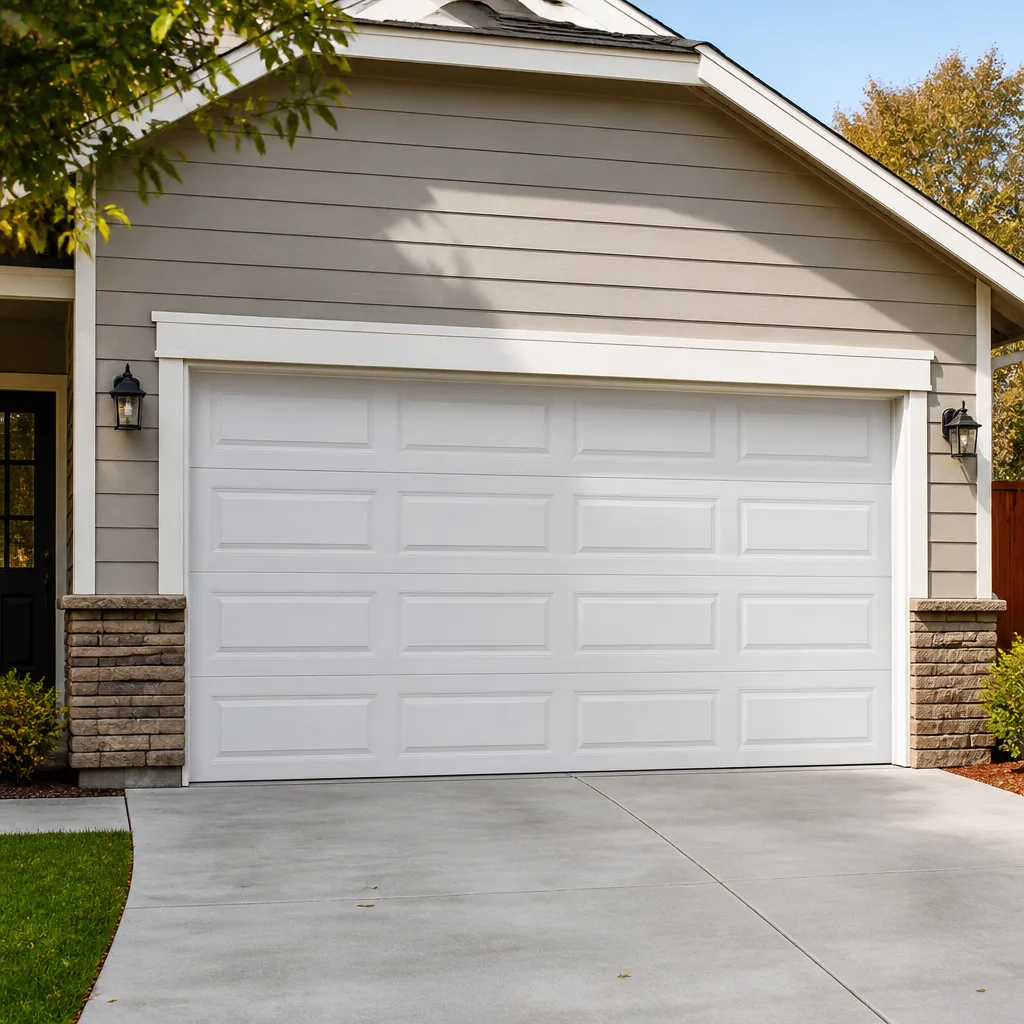 Raised-panel steel
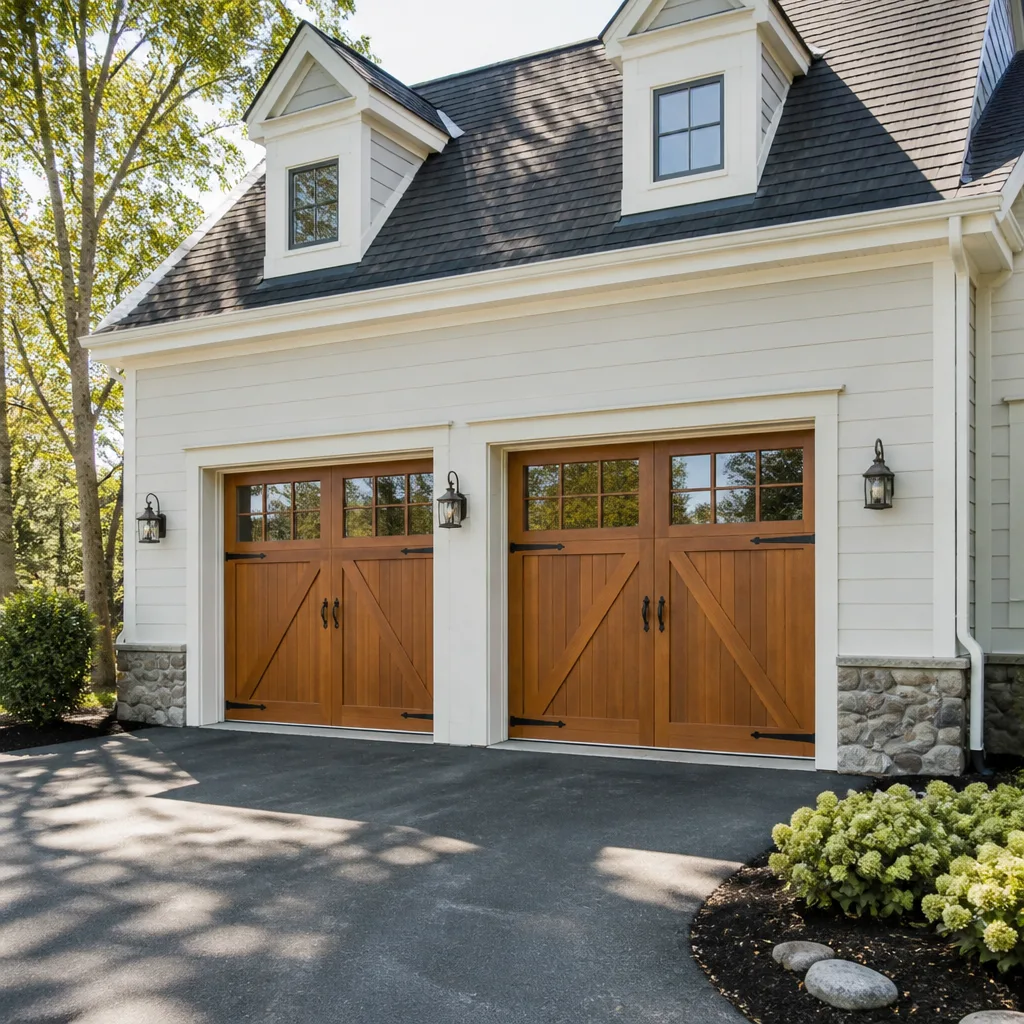 Carriage house
 Modern flush
 Full-view glass
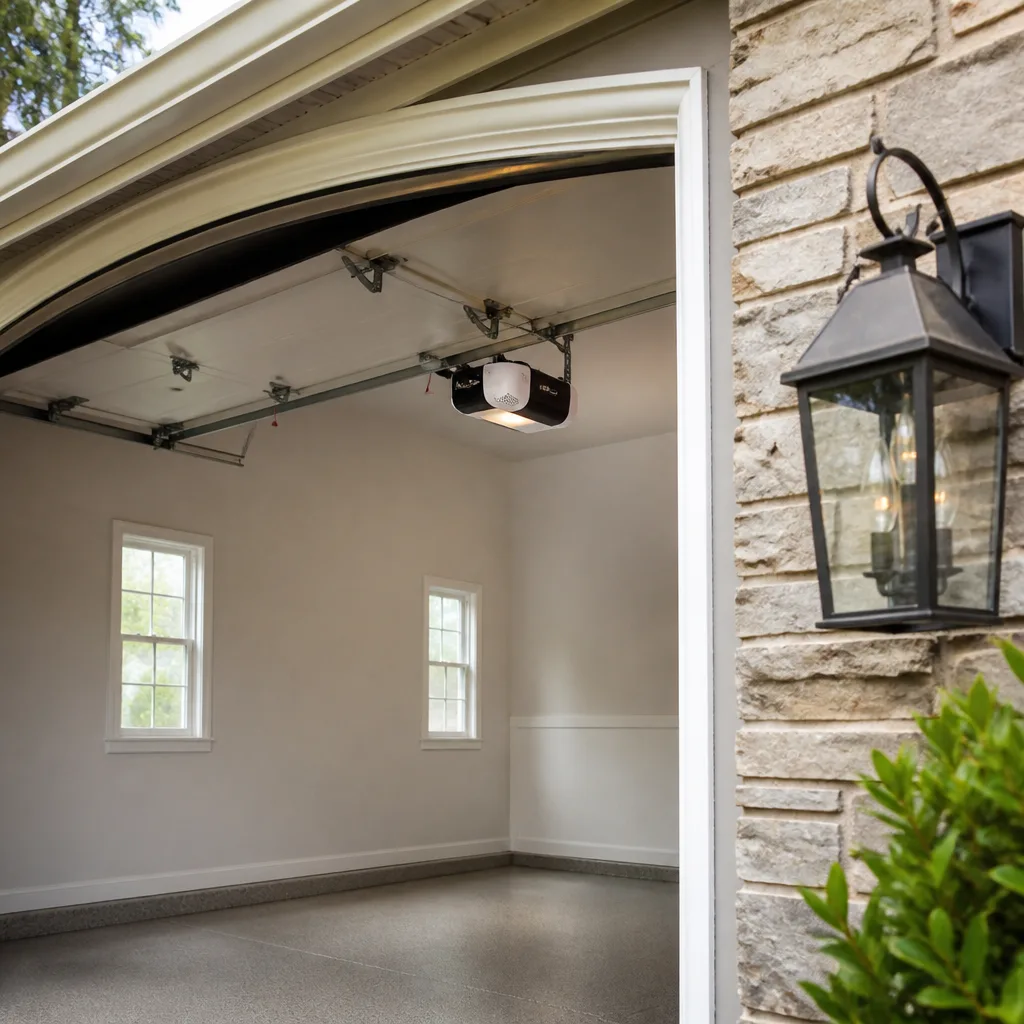 LiftMaster openers
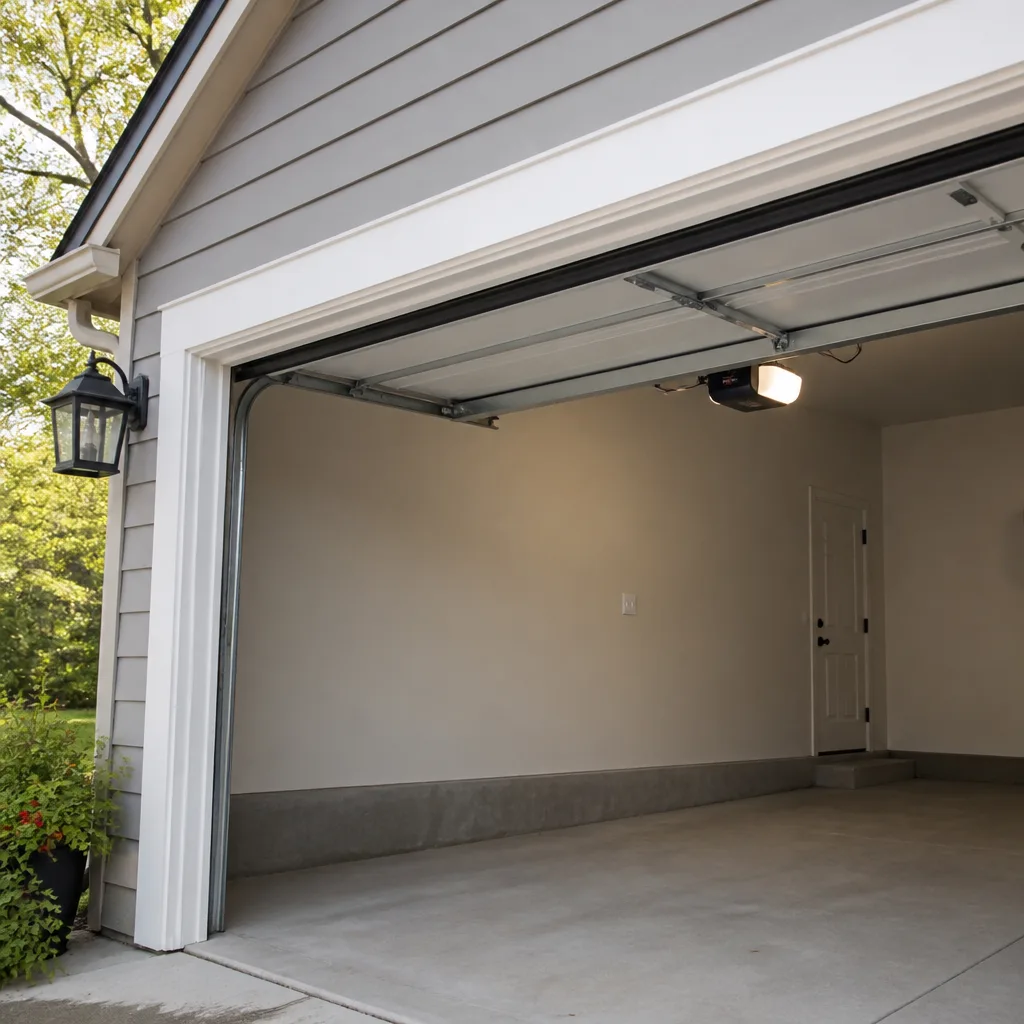 Chamberlain openers
Full 25-point door and opener safety check with every visit - springs, cables, rollers, tracks, and your LiftMaster or Chamberlain opener included
You get a price before we start. It does not change when the pro arrives.
Get your free estimateDIY vs Professional Garage Door: The Waukegan Homeowner’s Decision Guide
Most garage door advice online treats the whole machine as either a weekend project or a live grenade. Both framings are wrong. The honest answer is that a garage door splits cleanly into two categories: parts that store dangerous energy under tension, and parts that don’t. The first category has killed people who knew what they were doing. The second category is genuinely within reach of a careful homeowner with a ladder and a Saturday. What separates them isn’t your skill level or your confidence. It’s physics. This guide draws that line precisely for Waukegan homeowners, task by task, so you know exactly what’s safe to attempt, what isn’t, and what a DIY mistake actually costs you when it goes wrong.
Quick Answer
In Waukegan, you can safely DIY the low-energy tasks: lubricating rollers, adjusting opener travel limits, replacing weather stripping, and rebalancing minor track alignment. You should never DIY torsion spring replacement, cable drum work, or structural header modification, because those parts store enough mechanical energy to cause serious injury or death. Anything involving the spring system, the cables under tension, or the framing above the door belongs to a trained garage door specialist.
Styles & brands we work with
- Raised-panel steel
- Carriage house
- Modern flush
- Full-view glass
- LiftMaster openers
- Chamberlain openers
Table of Contents
- Where the DIY Safety Line Actually Falls
- The Hard-Line Tasks: Why Spring and Cable Work Is Different
- The Legitimate DIY List for Waukegan Homeowners
- The Cost Math of a DIY Mistake
- Waukegan’s Cold-Season Problem: Why Winter Makes Spring Work Worse
- Brand Matters: What Your Manual Tells You and YouTube Doesn’t
- Already Attempted a Repair? What to Tell Us
- Your DIY Toolkit: What You Actually Need
- Common Mistakes to Avoid
- When to Call a Professional
- Frequently Asked Questions
- The Bottom Line
Where the DIY Safety Line Actually Falls
Here’s the distinction that actually matters. Garage door components split into two energy categories. Low-energy parts move slowly under light load: rollers, hinges, weather stripping, the opener’s plastic travel gear, the bottom bracket seal. High-energy parts hold stored mechanical tension that can release violently in a fraction of a second: torsion springs, extension springs, cables, cable drums, and drum set screws.
Torsion springs are the ones that break. When a worn spring snaps, it unloads all its stored torque at once. The force involved is enough to send the spring across a garage or strike anything in its path, and it’s enough to break bones or worse if you’re standing in that path with a winding bar. That’s not a disclaimer we have to add for legal reasons. It’s the reason this job requires specific tooling and training, and it’s why we handle spring work in-house rather than referring it out.
In Waukegan, the practical split looks like this:
- Safe for a careful homeowner: lubrication, weather stripping, opener travel adjustment, photo-eye alignment, visual inspection, roller replacement on standard hardware.
- Requires judgment and some practice: track adjustment, hinge replacement, bottom-bracket seal replacement, opener force-limit tuning.
- Never DIY: torsion spring replacement, extension spring replacement, cable and drum work, structural header modification, panel replacement on a compromised frame.
The line isn’t about whether you’re handy. Plenty of capable homeowners can rebuild a deck. The line is whether the task puts your hands and face in the path of stored energy that will release without warning, and how much of that energy is sitting in the part you’re about to loosen.
The Hard-Line Tasks: Why Spring and Cable Work Is Different
Torsion spring replacement isn’t difficult in the way calculus is difficult. It’s difficult in the way defusing something is difficult: one wrong move and there’s no second attempt. The spring is wound to lift the door’s weight, and that winding stores torque in the steel itself. To remove it safely, you have to unwind it in a controlled sequence using the right size winding bars, count the turns precisely to match the original installation, and confirm the cable is fully slack before you release the drums. Miss any step and the spring can spin the bar out of its slot or throw the cable free.
Cable drum work carries the same risk. The cables are the only thing binding the spring’s energy to the door, and the drums wrap them at tension. Loosening a drum set screw before the spring is unwound can release the cable with a snap that turns into a whip. This is also why we don’t hand this work off. Spring and cable repairs are among the highest-skill tasks in the garage door trade, and they’re the ones most likely to injure a homeowner.
Structural header modification is the third hard line, and it’s less about stored energy and more about the building itself. The header above a garage door carries load from the wall above, and cutting into it to accommodate a taller door or a different track setup can compromise the framing. That’s a structural question, not a garage door question, and most cities require a permit for it. In Waukegan, ask the city’s building department before planning any change to the opening’s size or framing.
If any of this sounds like we’re talking you out of a project, we are, and we mean it plainly. Our technicians have up to 10 years of experience, and every one of them treats an unwound spring as a live hazard until it’s verified under no load. That’s the standard we hold the work to. You should hold it to the same standard in your own garage.
The Legitimate DIY List for Waukegan Homeowners
The safe DIY list is longer than most guides admit. Here’s what a careful homeowner can genuinely handle, with rough tool needs and realistic time estimates. These are the tasks we’re happy to see people do themselves, because they keep small problems from growing into large ones.
- Lubricate rollers, hinges, and tracks. Tools: a lubricant rated for garage door use, a rag, a step stool. Time: 20 – 30 minutes. Spray the roller stems, hinge pivots, and track channels sparingly; excess attracts grit. Do this twice a year, more often if you’re in a dusty area.
- Adjust the opener’s travel limits. Tools: a ladder, your opener’s manual, a screwdriver or the adjustment tool that came with the unit. Time: 15 – 30 minutes. The travel limits set how far the door opens and closes; if the door stops short or hits the floor and reverses, this is usually the cause. Chamberlain and LiftMaster openers both use this adjustment, and both manuals document it clearly.
- Align the safety photo-eyes. Tools: none beyond a level and possibly a screwdriver. Time: 10 minutes. If the door reverses immediately on closing, one sensor’s lens is probably blocked, dirty, or knocked out of line.
- Replace bottom weather stripping. Tools: a putty knife, a replacement seal matched to your door, possibly a screwdriver. Time: 30 – 60 minutes. Waukegan winters work the bottom seal hard, and a failing seal lets cold air and moisture into the garage all season.
- Replace rollers on standard hinges. Tools: a wrench, replacement rollers, a ladder. Time: 45 – 90 minutes for a full set. This is safe on a door with no broken springs, provided you never remove a roller on a door that’s under tension and don’t touch the bottom bracket, which is a high-energy part.
- Visual and functional inspection. Tools: none. Time: 10 minutes. Look for frayed cables, a spring with a visible gap, bent track, loose hinges, or a door that won’t stay balanced at half-open. A three-foot balance check (raise the door halfway by hand and let go) tells you a lot about spring health without touching anything dangerous.
The distinguishing factor on the safe list is simple: none of these tasks require you to defeat or release stored torque. You’re lubricating, adjusting, replacing a low-energy part, or reading the door’s behavior. You’re not unwinding a spring. That’s the line.
If the door is failing on a repair you don’t want to attempt, we handle garage door repair and can usually diagnose the problem quickly. Estimates are free.
The Cost Math of a DIY Mistake
The economics of DIY aren’t just “parts vs. labor.” They’re “parts plus the cost of cleaning up a misfire.” A mistake on a low-energy task doesn’t just cost the price of the part; it can turn a cheap job into a much larger one, and it’s worth knowing the pattern before you start.
Here’s how the math usually plays out on the tasks that fall in the middle zone:
- A roller replacement attempted while the door is under tension can jump the door off its track. What started as a small roller job becomes a track-straightening or replacement job, which is a far larger repair and can also damage a hinge or panel.
- Over-tightening a hinge or bracket on a poorly supported track can distort the rail and force a panel or section replacement. The hardware was cheap; the door section isn’t.
- Adjusting an opener’s force limit too aggressively can mask a failing spring. The opener then strains to lift a heavier-than-expected load, and you’re now looking at premature opener wear plus a spring job you didn’t budget for.
- Removing the wrong fastener on a cable drum is the single most common way a repair escalates. The cable releases, and now you’re looking at an emergency call plus potentially damaged panels.
None of these numbers are hypothetical mishaps we pull from a story. They’re the ordinary physics of the machine: the wrong part of the assembly gives, and the door’s mass does the rest. A careful homeowner who avoids the hard-line tasks sidesteps most of this risk entirely.
On the tasks that are genuinely safe, DIY is usually a sound choice, and there’s no upside to paying for a lubricant job you can do in twenty minutes. The judgment call is where the cost math tips: on the low-energy list, DIY wins; on the middle list, it’s a coin flip; on the hard line, professional work wins by default because the DIY cost isn’t a dollar cost, it’s a safety one.
Waukegan’s Cold-Season Problem: Why Winter Makes Spring Work Worse
Cold weather changes how garage door springs behave, and in Waukegan that matters for any task you’re considering in January or February. Steel gets less ductile as it cools, and the lubricant in the hinges, rollers, and tracks thickens. That combination means a spring under load in a cold garage has less tolerance for a slow or miscalculated unwinding, and the door itself moves less freely when you’re testing it by hand.
Practically, this means two things for Waukegan homeowners:
- Cold-season symptoms are worse across the board. A door that was marginal in November will often refuse to start or finish its cycle by February. The opener is straining against stiff hinges and thick grease, and it can trip its own overload protection. That’s a signal to inspect, not to force.
- Cold-season spring work is less predictable, not more. The stored energy in a torsion spring doesn’t drop because it’s cold, but the margin for error does. A slow, careful winding in a warm shop is different from a yard-of-garage disassembly in a 20-degree space with numb fingers. If a spring breaks in winter, the right move is to leave the door closed and call for repair rather than attempt a replacement in the cold.
The cold also affects the door’s balance: the counterweight spring is sized for the door’s weight at installation, and seasonal thermal contraction can make a marginal spring act even weaker. That balance check (door at half-open, let go) becomes more useful in winter, not less. If the door drops fast, the spring is telling you it’s tired.
We handle garage door spring repair as a named in-house service, which matters in winter because it’s the part that fails when the temperature drops. If your door is struggling in the cold, call (877) 419-9329 and we’ll tell you honestly whether it’s a DIY-friendly tune-up or a repair that needs a technician in your garage.
Brand Matters: What Your Manual Tells You and YouTube Doesn’t
One of the biggest divides between safe DIY and guesswork is whether you’re working from your system’s actual manual. A lot of “how to” content online is generic: it describes a spring or an opener or a track that vaguely resembles yours, and it leaves out the parts specific to your manufacturer. That’s how homeowners end up with a LiftMaster-specific opener tuned to a procedure written for a Genie unit, or a Wayne Dalton door torque spec applied to an Amarr panel.
In our experience, the three most reliable sources of accurate, brand-specific instructions are:
- The manufacturer’s manual that came with your door or opener. Serial and model numbers are usually on a sticker on the door’s back panel or the opener’s motor housing. Request a replacement if you don’t have one on hand.
- The manufacturer’s technical support line. Chamberlain, LiftMaster, Genie, and most of the major brands support their products directly, and they can confirm the correct part number and adjustment procedure for your model.
- A specialist who works on your brand. We service eight leading manufacturers, including Amarr, Wayne Dalton, Craftsman, Raynor, LiftMaster, Chamberlain, Genie, and Clopay. When a homeowner’s manual doesn’t resolve a symptom, having a technician who’s familiar with that exact system is faster than guessing.
Where YouTube falls short is usually in the details: a procedure that works for a standard torsion spring on a Clopay door won’t necessarily match the spring spec on a Raynor door of the same size, and an opener travel adjustment on a Craftsman unit isn’t identical to a LiftMaster unit’s. When you’re doing a safe DIY task, use your own manual first. When the manual doesn’t cover it, that’s the signal that the task has crossed out of DIY territory.
If the door’s issue is electrical or in the opener, we handle garage door opener repair and can confirm brand-specific symptoms quickly. Opener work that involves the motor, capacitor, or circuit board is a professional job, even though adjusting travel limits and replacing a battery are not.
Already Attempted a Repair? What to Tell Us
Homeowners sometimes start a repair, hit a point where they’re not comfortable, and call a specialist to finish. That’s not a failure; it’s exactly the right call. What matters for your own safety and your own bill is that you tell the technician exactly what you did, including the parts you removed, the bolts you loosened, and the symptoms you noticed before you stopped.
Full disclosure isn’t about being scolded. It’s about avoiding misdiagnosis. Here’s what to mention:
- Any part you loosened or removed, especially on hinges, brackets, drums, or the spring assembly. If you loosened a cable drum set screw, say so even if you tightened it back.
- Any adjustment you made to the opener’s travel or force limits. A force limit that’s been tuned to mask a weak spring can make the real problem look like an opener failure.
- The timeline, as best you remember it: when the symptom started, what you did, and what changed afterward.
- Whether the door is currently in a compromised state. If a track is bent or a panel is separating, don’t operate the door until a technician sees it. A door off its track can come down under its own weight.
Disclosing the full picture protects you in two directions. It prevents a technician from charging you to “diagnose” a problem you created, and it also prevents a pre-existing issue from being attributed to an injury that happened during your attempt. If you’ve already started and stopped, the fastest route to a clean repair is a straightforward call. Our Waukegan Garage Door Repair Co team can step in at any stage and pick up the job from where you left it.
Your DIY Toolkit: What You Actually Need
If you’re going to handle the safe tasks, it’s worth having a small, purpose-built kit. Nothing here is exotic, and most of it is already in a basic home toolbox:
- A lubricant intended for garage door hardware, not WD-40 or a general-purpose oil. Door-specific products stay put longer and don’t attract grit the way thinner sprays do.
- Wrenches and a socket set that match the hardware on your door’s hinges and brackets. Sizes vary by manufacturer, so check the nuts before you buy.
- A sturdy step ladder tall enough to reach the opener motor housing and the top hinges comfortably. Don’t work off a chair.
- A putty knife or scraper for weather stripping replacement, plus a replacement seal matched to your door’s width and channel type.
- Your owner’s manual, printed or saved to your phone, for travel-limit and force-limit procedures. Bookmark the model number while you’re at it.
- Work gloves and safety glasses. Even the low-energy tasks involve sharp metal edges and moving parts.
What you should never buy or improvise for a DIY task: winding bars, a spring removal tool, or anything intended for high-energy disassembly. If a job requires those, it’s not a DIY job. The tooling requirement is itself the signal that the task has crossed the line.
Common Mistakes to Avoid
- Trying to diagnose a stuck door by forcing it. If the door won’t fully close or open, forcing it can snap a cable or distort a panel. Stop, check whether the opener is engaged or the photo-eye is blocked, and call if it still won’t move.
- Assuming the opener is the problem when the spring is at fault. A weak or broken spring makes the opener work harder, and the symptom (door reverses, opens partway, or strains) looks electrical. Test the door by hand at half-open before blaming the opener; a door that won’t hold itself up needs a spring repair, not an opener replacement.
- Loosening a bolt on the spring assembly to “check it.” There’s no inspection that requires loosening the spring’s fasteners. If you’re considering that, stop and call a specialist.
- Overlooking the bottom bracket. It’s the single most dangerous part to remove, even on an intact door, because the cable is under tension at that point. Leave it to a technician.
- Using the wrong weather stripping for a Waukegan winter. A seal that isn’t rated for cold-weather flexibility will crack in place within a season. Match the replacement to your door and check it flexes before you install it.
- Adjusting force limits to hide a symptom. Turning up the opener’s force so it can lift a lagging door will wear the opener faster and won’t fix the underlying spring or balance issue. Tune the limit only after the door moves freely by hand.
- Working on a cold spring without accounting for it. In Waukegan, spring behavior changes with the temperature, and any task near the spring system is riskier in a cold garage. If it’s freezing in the garage, stop and call.
When to Call a Professional
Call a specialist when the task involves stored energy you can’t safely verify, when the door won’t hold itself at half-open, or when you can see a broken spring or frayed cable. Call us immediately if the door is off its track, if any part of the door has come down unevenly, or if you’ve started a repair and the door now feels unstable. These are the scenarios where a small delay can turn into a larger and more dangerous repair, especially in a cold Waukegan winter when the whole system is under more stress.
Waukegan Garage Door Repair Co offers free estimates in Waukegan. For garage door repair, opener issues, spring replacement, or emergency service, call (877) 419-9329 and we’ll tell you plainly whether the job is DIY-safe or needs a technician. If you’d rather not attempt it at all, that’s not a failing; it’s the right call for anything on the hard line. Pricing is agreed before any work starts, so the estimate you hear is the price you pay.
See the difference
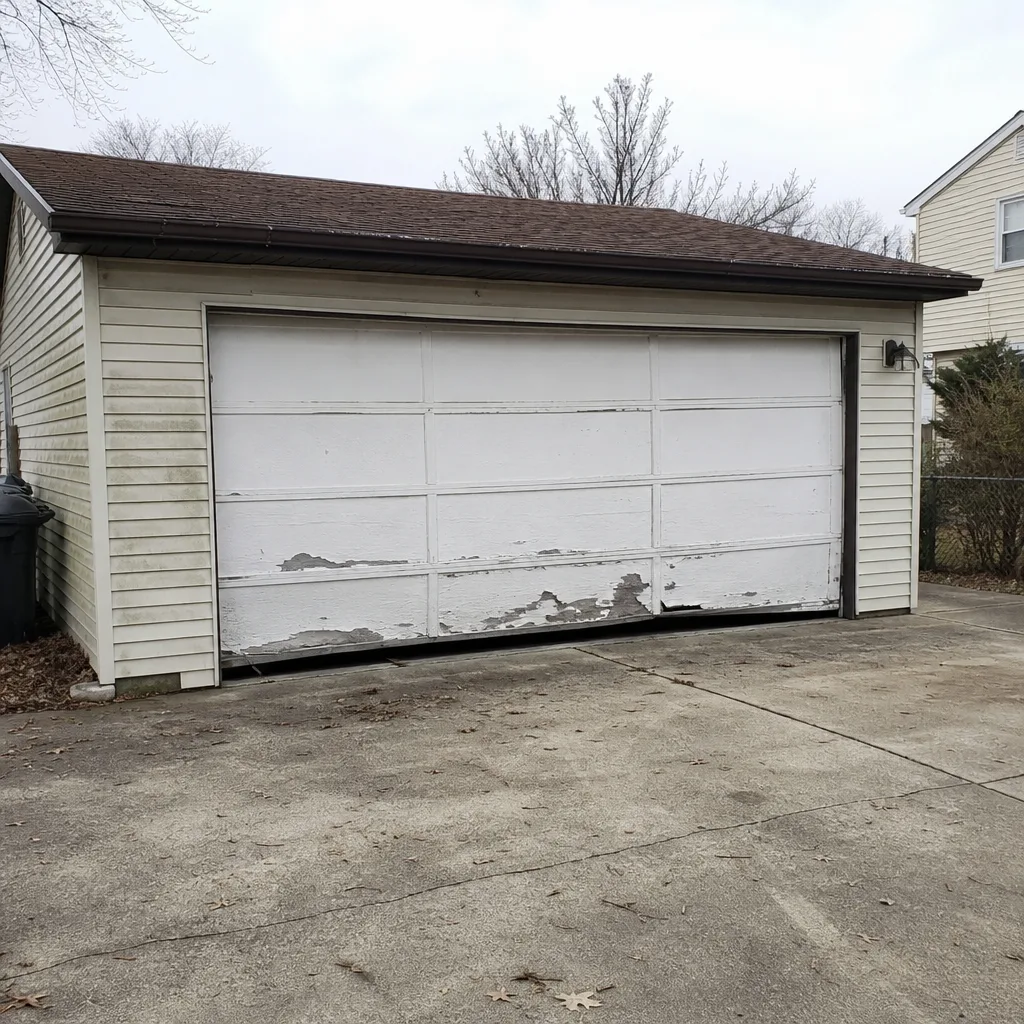 Before
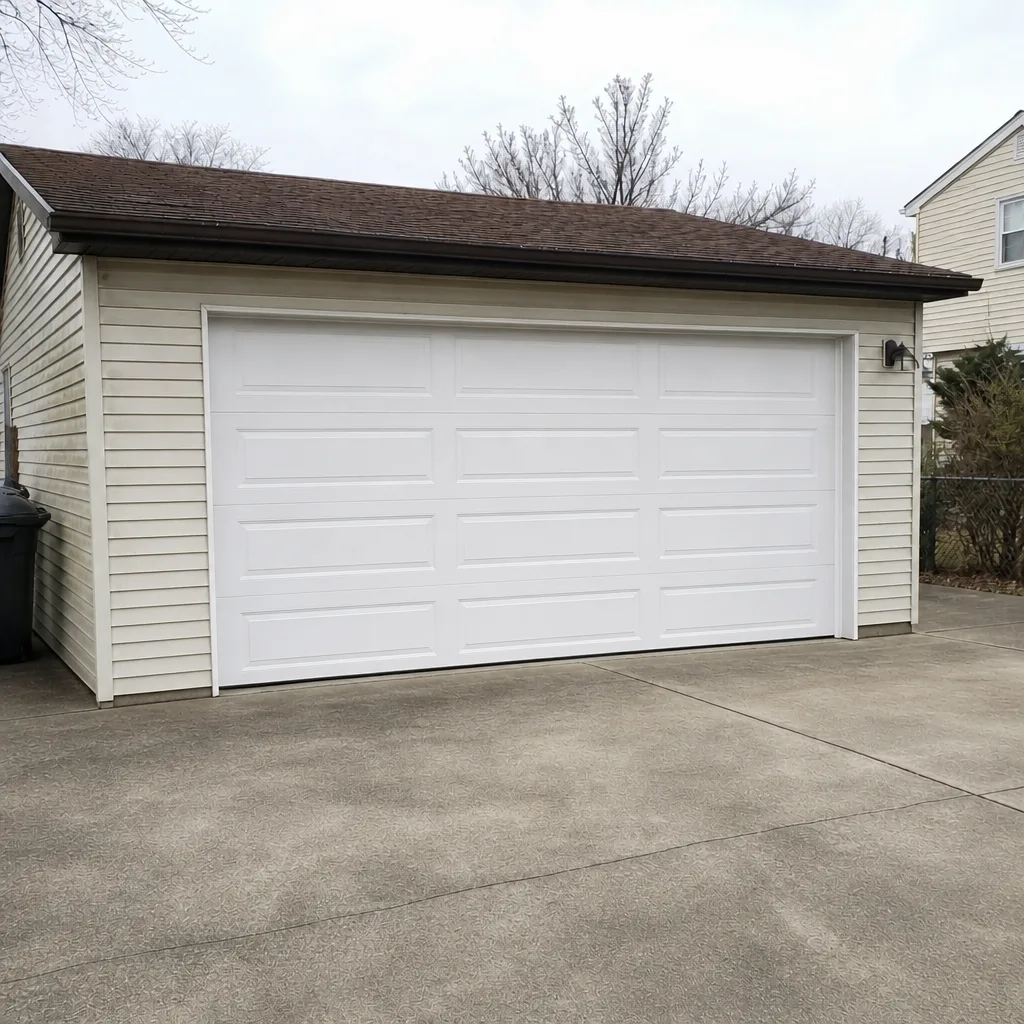 After
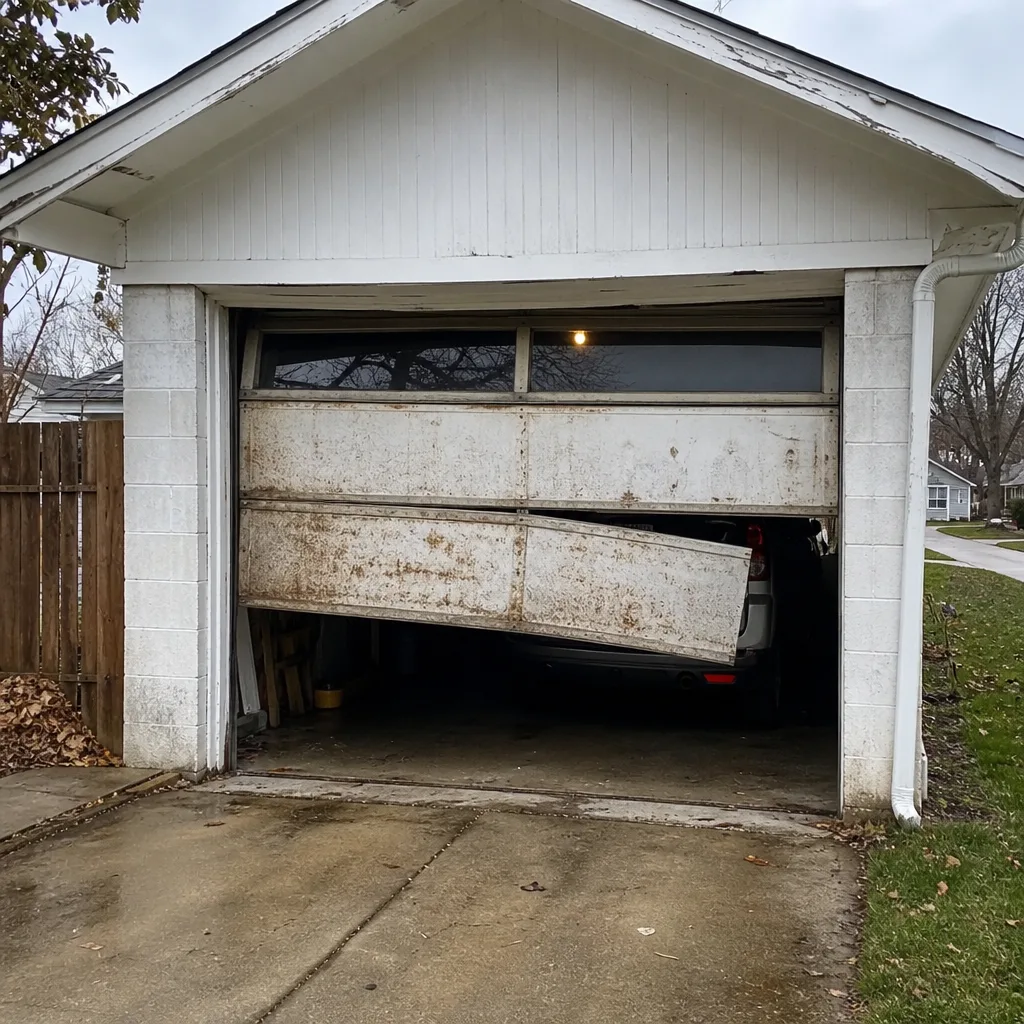 Before
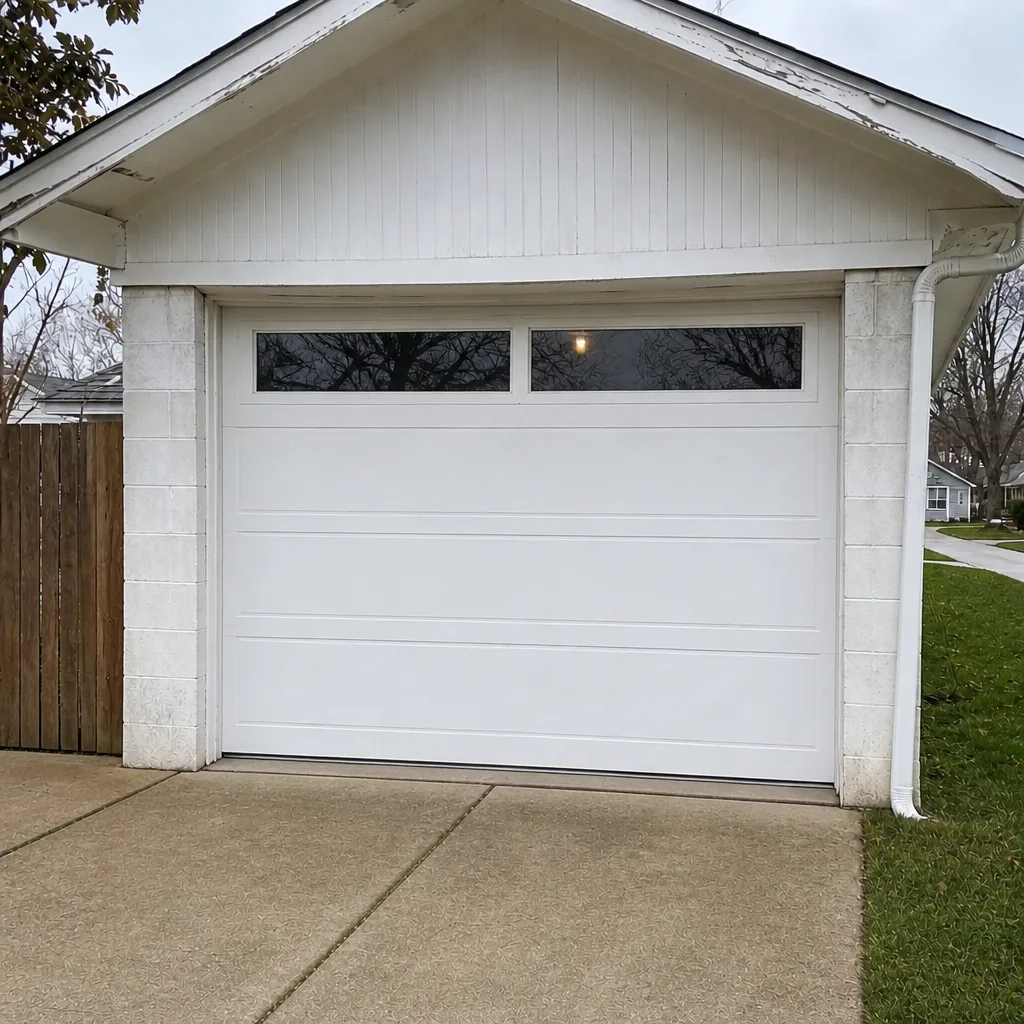 After
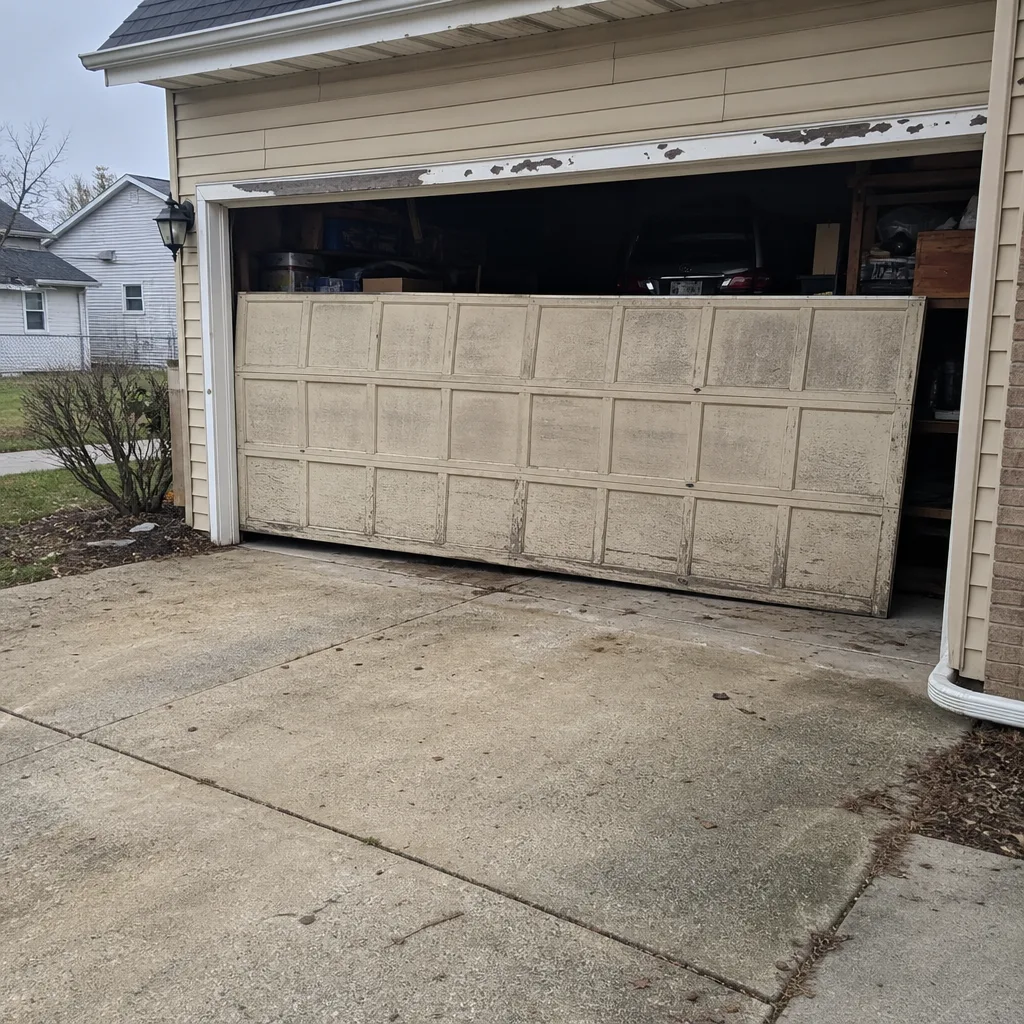 Before
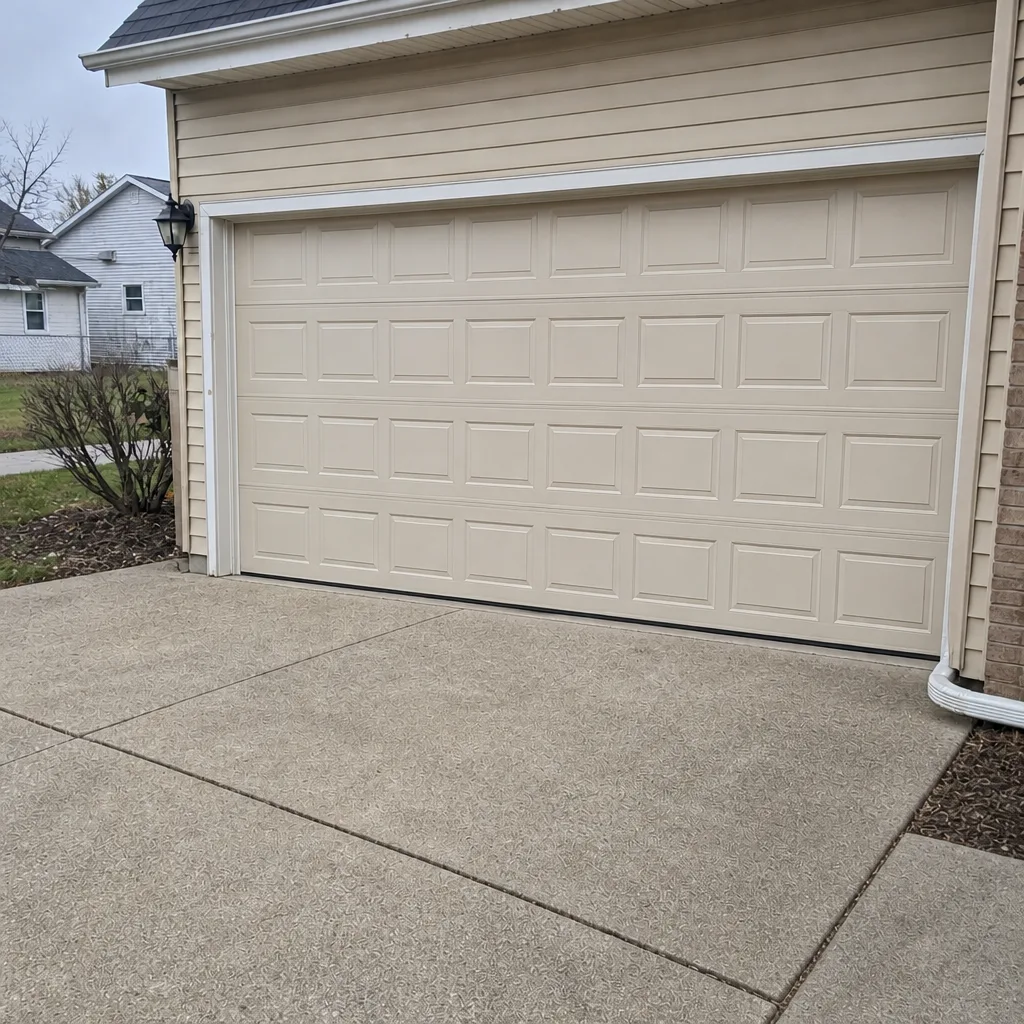 After
Frequently Asked Questions
A typical single torsion spring replacement in Waukegan is quoted as a one-spring price, and a matched pair usually costs about twice that because the two springs are normally replaced together. Because spring work involves stored mechanical energy, the cost reflects safe disassembly and proper re-tensioning rather than a simple part swap. Call (877) 419-9329 for an exact quote; estimates are free and the price is agreed before any work starts.
No. Torsion and extension springs store enough energy to cause serious injury or death when they release, and the safe unwind and re-tension sequence depends on matching the spring spec, the door’s weight, and the correct tooling. Even a careful homeowner with the right tools can miscalculate a single turn. Spring replacement is the task most worth leaving to a trained specialist.
Lubricating rollers and hinges, aligning photo-eyes, adjusting opener travel limits, replacing bottom weather stripping, replacing standard rollers, and doing a visual and balance inspection are all reasonable homeowner tasks. The safe tasks share one thing: none of them require you to release stored spring tension. If a task requires a winding bar or a spring removal tool, it’s not DIY-safe.
Cold weather thickens lubricant, stiffens hinges, and reduces a spring’s effective tolerance for temperature change, so a door that was marginal in fall can fail to complete its cycle in January. The opener also struggles more against a stiffer door, which can make an opener fault look like the problem when the real issue is the door’s balance. Test the door by hand at half-open before assuming the opener needs repair.
Tell them everything, especially any bolts you loosened on hinges, brackets, drums, or the spring assembly, and any changes you made to the opener’s travel or force limits. Full disclosure helps the technician diagnose accurately and prevents them from charging you for a problem that was pre-existing. It also protects you from a misdiagnosis if the door is now in a compromised state.
The written estimate is the price. We quote and agree the amount before any work starts, and the estimate sets the final number unless you ask us to do additional work. Call (877) 419-9329 for a free estimate; pricing is straightforward and there’s no surprise invoice when the job is done.
The Bottom Line
The DIY vs. professional question isn’t about whether you’re handy. It’s about which specific tasks put you in the path of stored mechanical energy and which ones don’t. Lubrication, weather stripping, photo-eye alignment, opener travel adjustment, and roller replacement are genuinely doable at home with the right manual and a ladder. Torsion springs, cable drums, extension springs, structural header work, and anything under tension belong to a specialist. In Waukegan, winter makes the hard-line tasks harder, so it pays to know the line before you pick up a wrench. When the task is on the hard line or you’re not sure which side it’s on, call (877) 419-9329 for a free estimate and a straight answer.
Contact Us
If you’d rather have your garage door looked at by someone who works on your brand every day, call Waukegan Garage Door Repair Co at (877) 419-9329 for a free estimate. We handle everything from a routine tune-up to emergency repair, and our technicians have up to 10 years of experience on the systems that actually sit in your garage.
Written by the team at Waukegan Garage Door Repair Co.