Last updated November 22, 2026
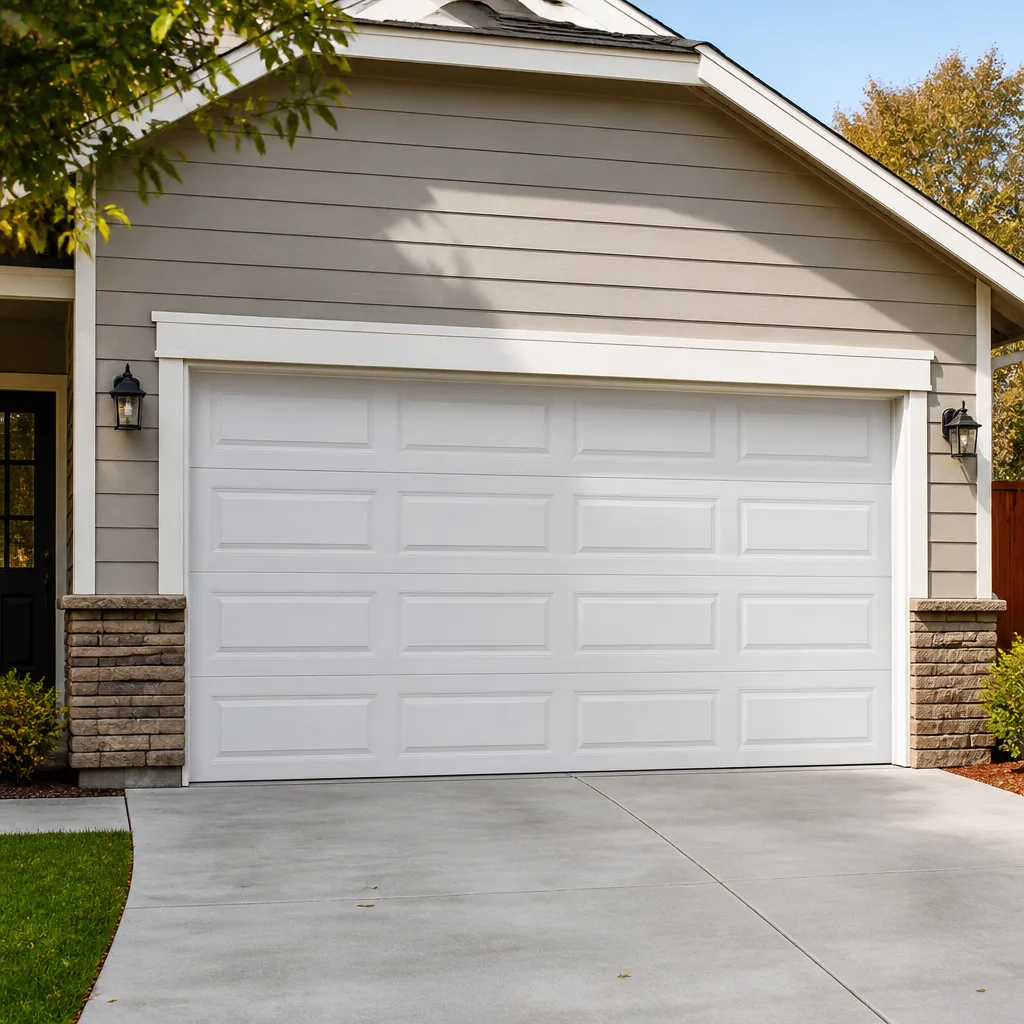 Raised-panel steel
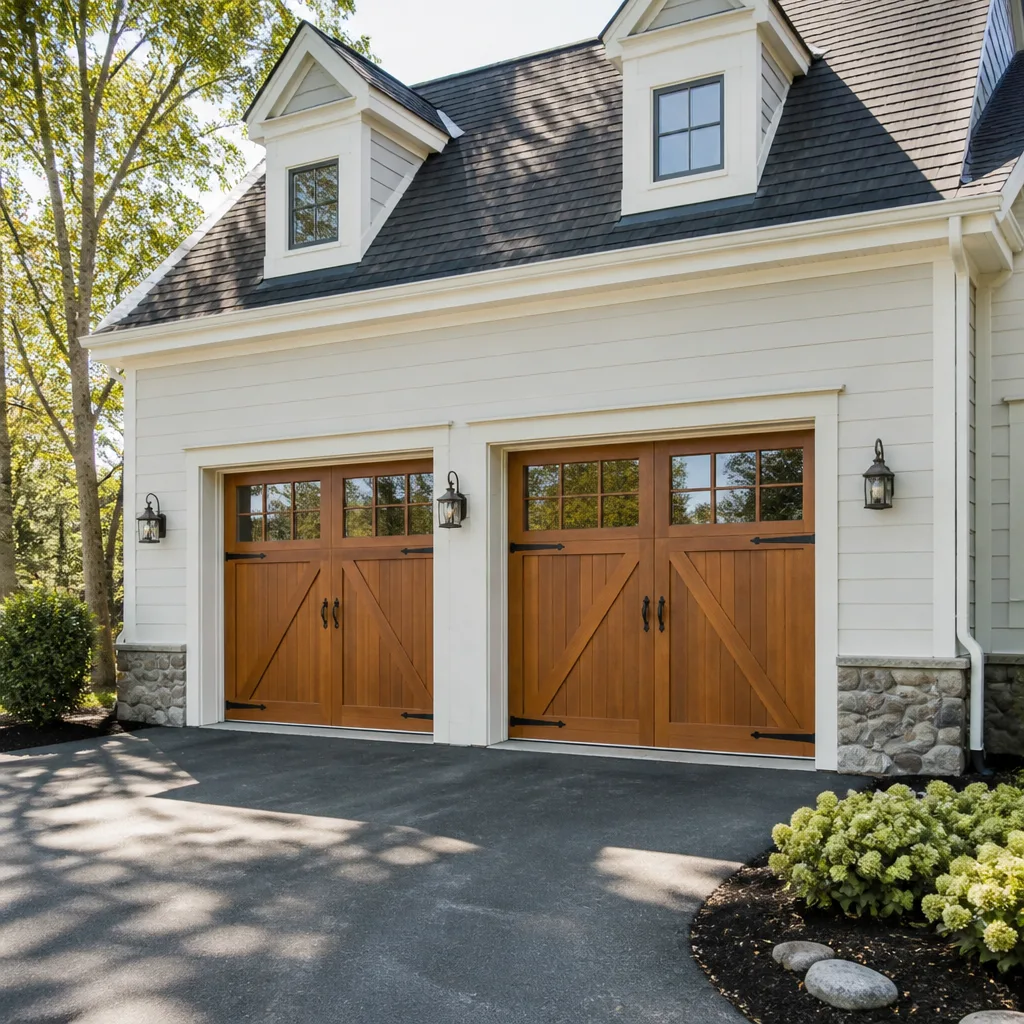 Carriage house
 Modern flush
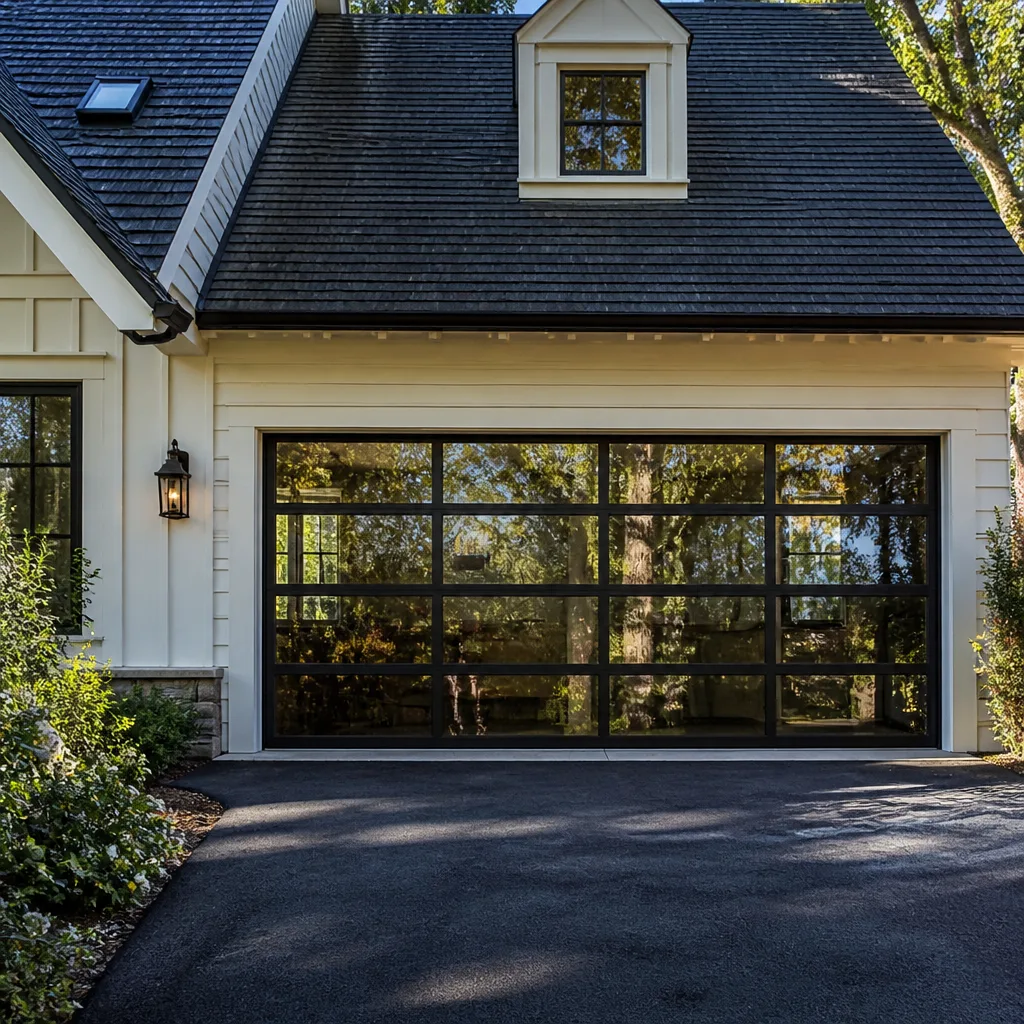 Full-view glass
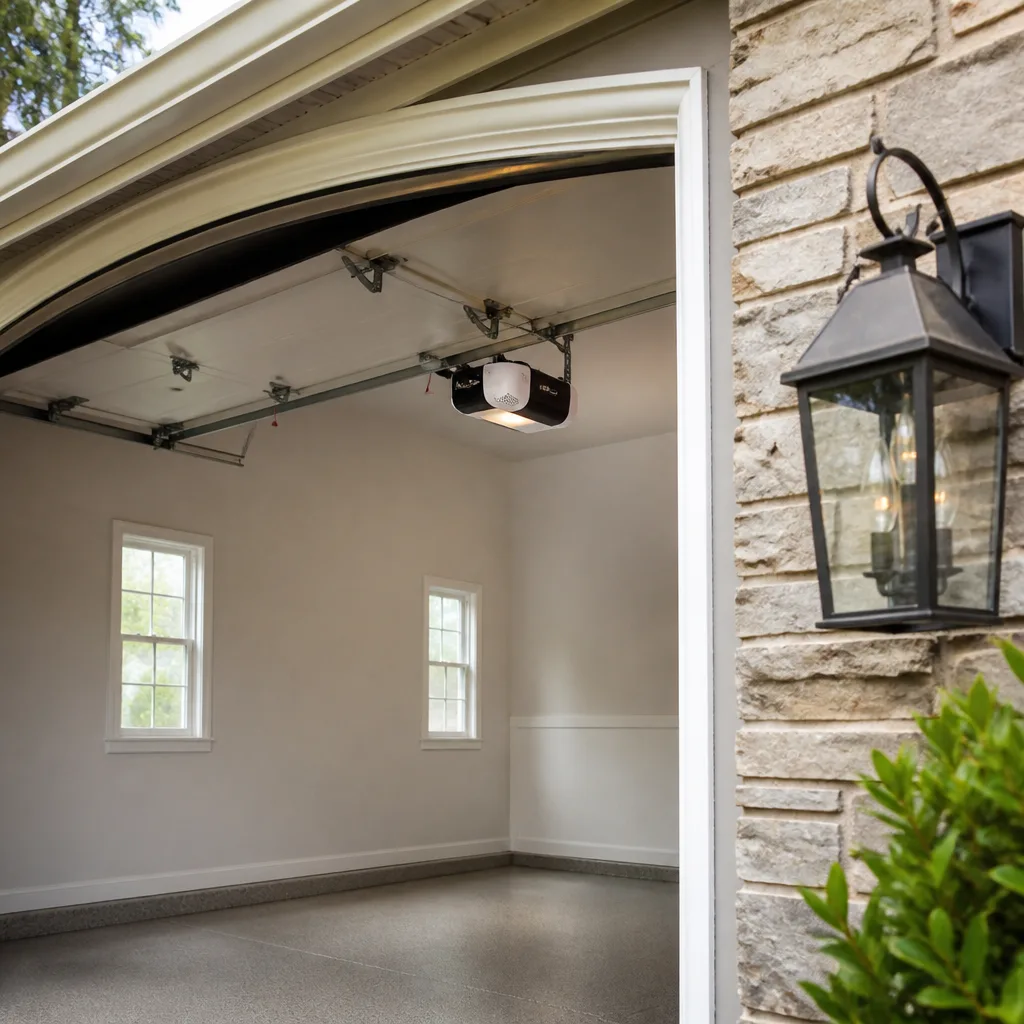 LiftMaster openers
 Chamberlain openers
Full 25-point door and opener safety check with every visit - springs, cables, rollers, tracks, and your LiftMaster or Chamberlain opener included
You get a price before we start. It does not change when the pro arrives.
Get your free estimateGarage Door Emergency Preparedness Guide for Waukegan Homes
The manual release cord on your garage door opener is the most important piece of safety equipment in your garage, and a large number of homeowners don’t know how to use it correctly. Worse, some use it at the worst possible moment, when the door is still under spring tension and the release turns a repair into an injury. We write from the other side of those calls: spring failures that trap a car, power outages that lock a door shut, and storm damage that leaves a door unsafe to touch. Each one calls for a different response, and the time to plan it is before it happens. This guide walks through all three in Waukegan terms, from the correct release procedure to what the first twenty minutes after a spring break should look like. What you learn here may spare you a dangerous mistake and shorten the wait for a real fix.
Quick Answer
Garage door emergencies in Waukegan fall into three patterns: a spring failure that traps a car inside, a ComEd power outage that locks the door closed, and storm damage from high wind off Lake Michigan that jams or bends the door. Each one has a specific safe sequence. A broken spring means stop using the door and call a specialist. An outage usually means switching to the manual release, but only when the door is closed and not under spring tension. Storm damage means assessing the door before touching it. Knowing which situation you’re in, and moving the right way, is what this guide prepares you for.
Styles & brands we work with
- Raised-panel steel
- Carriage house
- Modern flush
- Full-view glass
- LiftMaster openers
- Chamberlain openers
Table of Contents
- How does the manual release work, and when is it dangerous?
- What should you do during a power outage?
- What to do in the first 20 minutes after a spring breaks
- How do you triage storm damage after a high-wind event?
- Frozen door, no power: the Waukegan winter scenario
- The pre-emergency prep list every garage should have
- When emergency service is, and isn’t, the right call
- The safety rules that apply to every scenario
How does the manual release work, and when is it dangerous?
The manual release disconnects the door from the opener so you can move it by hand, and it’s safe to use only when the door is closed or the spring system is intact. Pulling it while the door is up, or when a spring or cable has already failed, can let a door fall or snap back with the full weight of the panel behind it. That’s the danger most homeowners don’t know about. The release is a safety feature, not a shortcut around a broken door.
Here’s the correct procedure for a standard overhead door with an intact spring system and no visible damage:
- Make sure the door is fully closed and nothing is in the tracks.
- If it’s electric, cut power at the opener (unplug it, or switch off the dedicated circuit).
- Locate the release cord, usually a red handle hanging from the trolley on the opener rail.
- Pull the handle straight down to disengage the trolley from the door. On some openers you may need to pull it at a slight angle toward the door; check your opener model. Chamberlain and Genie units both use this basic trolley style, though the handle position varies.
- Lift the door slowly by hand. It should move with mild resistance and stay where you leave it. If it feels heavy, drops, or resists strongly, stop. That’s a sign the spring system has failed and the door needs a technician.
When not to use the manual release: if a spring looks broken, if a cable is hanging loose or off a drum, if the door is crooked in the frame, or if the panel has visible storm damage. In any of those cases, leave the door alone. The spring carries tension even when the door looks normal, and a release can turn that stored energy loose. A trained technician releases or repairs a door under spring tension for a living. It’s a different level of risk. If you’re not sure of the door’s condition, the safe choice is to keep it shut and call.
What should you do during a power outage?
During a power outage, the door is most likely safe to open by hand if it’s closed and the opener’s battery backup, if it has one, has expired or doesn’t apply. The usual protocol is to confirm the door is closed, cut power at the opener, use the manual release, and open the door by hand only if it moves smoothly. If the door resists or the springs don’t feel right, leave it and wait for help. This matters in Waukegan, where winter storms take down ComEd power lines and leave whole blocks without electricity for stretches that can feel long when a car is stuck inside.
Before you touch anything, work through these steps:
- Check whether the opener has a battery backup. Many newer LiftMaster and Chamberlain openers include one; the opener may still lift the door for a limited number of cycles before the battery drains.
- If there’s no backup or it’s dead, unplug the opener so it won’t re-engage and fight you when the trolley is released.
- Confirm the door is fully closed, then pull the release cord. Open the door by hand slowly. A properly balanced door is light and stays put.
- If the door is heavy, binds, or sounds like something is scraping, stop. Close it if you can do so safely and call us.
- When power returns, re-engage the trolley, power the opener back up, and run the door once to confirm the limits are still right. The opener may need a re-set of its travel limits after a manual cycle, depending on the model.
One Waukegan-specific wrinkle: a power outage that coincides with freezing temperatures. The door and the tracks can freeze, and even a healthy door may not open by hand. That’s covered in its own section below. For outage-only situations, keeping the manual release handy and knowing it’s safe only when the door is closed is the whole game. We’ve walked homeowners through this over the phone more times than we can count. Call garage door opener repair or Waukegan Garage Door Repair Co if the opener keeps losing its limits or stops responding after the power comes back.
What to do in the first 20 minutes after a spring breaks
In the first twenty minutes after a spring breaks, the priority is containment: keep everyone clear of the door, stop using the opener and the door, and look but don’t touch. A broken torsion spring means the door is no longer counterbalanced, and the full weight now rests on the opener and the cable system. The opener can’t hold that weight, and it may be the only thing between you and a falling panel. That’s why the safe sequence is to stop, observe, and call, not to experiment.
Here’s the sequence we recommend:
- Stop the door where it is. If the opener is running, press the wall button to stop it. If the door is up, leave it up and don’t try to lower it yourself. If it’s down, leave it.
- Unplug the opener or switch off its circuit so nobody hits the button by accident.
- Keep children and pets out of the garage.
- Look at the springs above the door from a safe distance. A torsion spring that has snapped shows a visible gap, usually a clean break in the coil. Extension springs, the kind that run along the side tracks, may have stretched, broken, or thrown their safety cables loose.
- Look at the cables. A hanging, slack, or off-drum cable on either side is a red flag. The door may be hanging by just one cable, and the next movement could drop the panel. Leave it alone.
- Call for service and tell the technician what you saw: which spring, which side, whether the door is up or down, and whether a cable looks off. That helps us bring the right parts.
What not to touch: don’t try to raise or lower the door by hand, don’t remove the opener trolley, don’t loosen the cable drums, and don’t reach into the springs with tools. A garage door spring holds tension that can cause serious injury even when the door is closed. This is the one part of a garage door where a trained professional is genuinely the only safe choice. We repair springs in-house, and it’s the most mechanically demanding job in this trade. That’s the depth a general handyman can’t offer.
How to tell whether the cable has also failed: look for a cable that’s off its pulley or drum, a strand of cable poking out, or a door that’s sitting crooked. If you see any of these, treat the whole system as unsafe and don’t operate the door until a technician arrives. If the door is level and the cable looks taut, a spring may be the only failure, but the technician will confirm. Call garage door spring repair for a spring failure. A broken spring is a one-spring failure, but springs usually work as a pair, so replacing both at once is the norm; our written estimate will make clear what’s being replaced before we start.
How do you triage storm damage after a high-wind event?
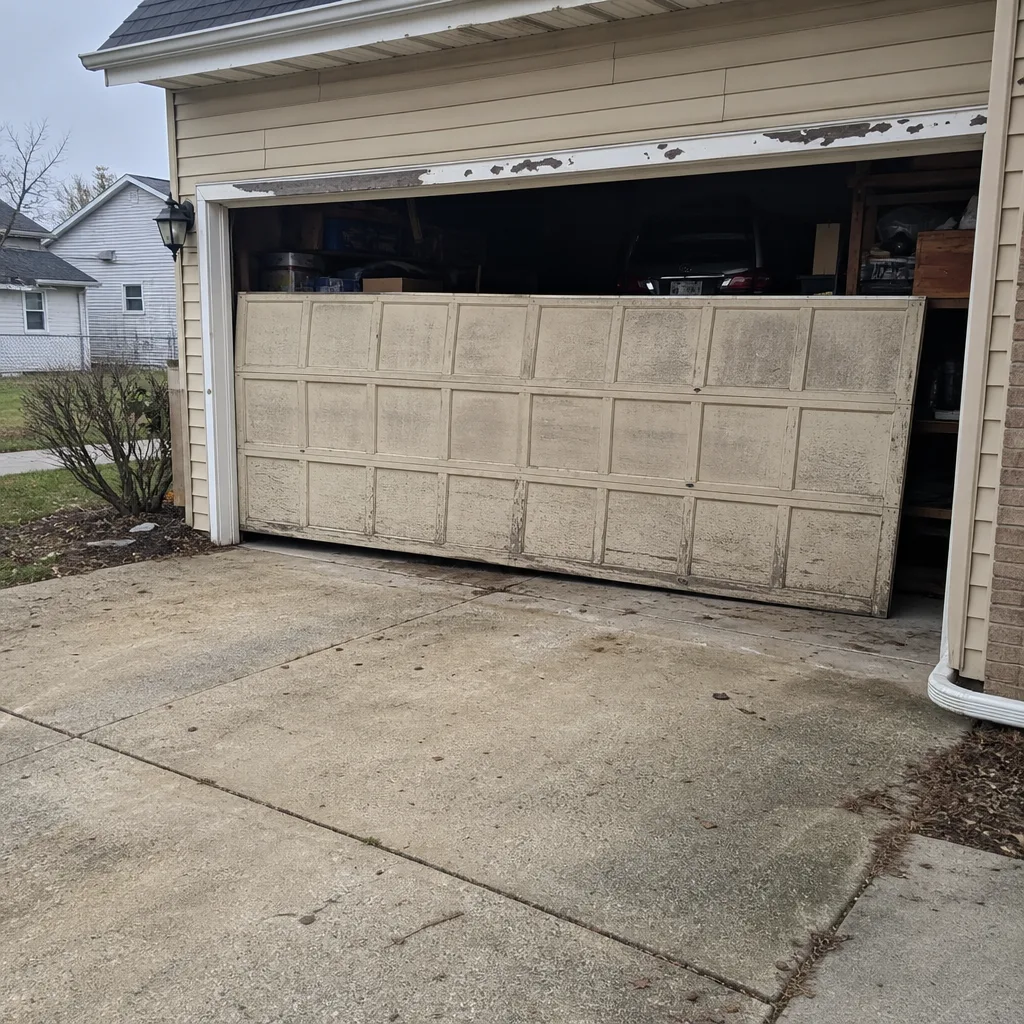
After a high-wind event off Lake Michigan, triage storm damage by looking before touching: check whether the door is still in its tracks, whether the panels are bent, and whether a cable or track has been knocked out of line. A door that’s still in the tracks and closes flush can usually be left shut. A door that’s jumped a track, has a bent panel, or is hanging crooked should not be operated by hand or by the opener. The reason is mechanical: the tracks and rollers carry the door’s weight and guide it. Once they’re out of alignment, the door can bind, buckle, or come down unevenly.
Here’s how to assess a door after a wind event:
- Still in the tracks and square: look for dents, bent corners on the bottom panel, or a dented hinge. A cosmetic dent on a Clopay or Amarr steel panel doesn’t usually make the door unsafe, but a bent bottom section can catch on the floor and stress the opener.
- Jumped the tracks: the door is sitting outside the guide rails, or the rollers are out of the track. Don’t move it. This is a technician job.
- Bent or buckled panels: a panel that’s warped may not seal, and a bent panel can bind in the track. If the door won’t close flush, don’t force it.
- Loose hinges, brackets, or track supports: these hold the tracks to the wall and the door to the tracks. If they’re bent or pulled loose, the door is unsafe to operate.
- Slack cable: same rule as a spring break. A cable under tension that’s come loose can whip. Keep clear.
- Hanging or tilted door: asymmetric sag is the clearest sign the door needs a technician before it moves again.
Which damage makes the door unsafe to operate manually? A door that’s out of its tracks, a door with a slack or off-drum cable, a door with a bent or broken track, and a door that’s visibly crooked or hanging by one side. In any of these cases, stop using the door and call. Wind damage is often a combination: a dented panel plus a bent track plus a stressed opener. The technician needs to see the whole door, not just the part you noticed first. Our garage door repair work covers panel damage, track realignment, and roller replacement on the same visit, so a storm call doesn’t turn into a hand-off.
Frozen door, no power: the Waukegan winter scenario
A frozen garage door combined with a power outage is its own scenario, and the normal power-outage protocol doesn’t apply. The reason is simple: a door that won’t move because it’s frozen can’t be safely forced by hand. The bottom panel may be frozen to the floor, the tracks may be iced, and the rollers may be locked in place. Applying force to a frozen door puts stress on springs, cables, and opener arms in ways the system wasn’t designed for. The safe move is to work on the freeze before you work on the door.
Here’s how we approach a frozen door during an outage:
- Don’t run the opener. If it’s still getting power, leave it off. An opener trying to lift a frozen door will strip gears or burn out the motor.
- Look for ice at the bottom seal. A door frozen to the floor or the threshold usually shows an obvious ice bond along the bottom edge.
- Break the ice at the bottom seal with warm (not boiling) water, a plastic scraper, or a de-icer applied from the inside of the garage. Never use a metal tool on the seal or a hammer on the door.
- Clear snow and ice from the tracks and from the outside of the door. A drift along the outside face can pack into the side tracks.
- Once the door is free, follow the standard outage protocol: confirm closed, release the trolley, open by hand slowly.
- If the door still won’t move, stop. A frozen track or a locked roller is a technician call.
Waukegan’s lake-effect weather can leave a garage door wet with freezing rain or packed with snow on more than one day a winter, and ComEd outages from the same storms can run for hours. The combination is what traps a car, not just the power loss or just the cold. If you’re facing both, and you can’t free the door yourself, call. We’re a garage door specialist, and we handle winter door failures the same way we handle a broken spring, with a written estimate before any work. Our technicians have up to 10 years of experience with the kinds of mechanisms that get frozen, stripped, or stressed in this weather.
The pre-emergency prep list every garage should have
The right time to prepare for a garage door emergency is a quiet afternoon, not the night a spring snaps. A little before-hand work means the first twenty minutes are calm instead of frantic. Here’s the list we suggest for Waukegan homes:
- Know your opener brand and model. Look at the label on the opener’s motor housing. Note the brand (LiftMaster, Chamberlain, Genie, Craftsman, and Raynor are all common, and we service all of them) and the model number. A photo of the label on your phone is the handiest form.
- Know your door brand. Clopay, Amarr, Wayne Dalton, and others each have their own panel and track designs. A photo of the door’s interior hinge and track area helps the technician on a first call.
- Locate the manual release handle. Find it now, while the door is healthy. Make sure everyone in the household knows where it is and that it’s only pulled with the door closed.
- Check whether your opener has a battery backup. If it does, know how long it’s rated to last and whether the battery is still good. If it doesn’t, plan for a manual-release outage.
- Save the number you’ll call. Put our number, (877) 419-9329, in your phone under a name you’ll see fast. A garage door emergency is a bad time to be searching.
- Keep a small emergency kit in the garage. A plastic scraper, a de-icer, a flashlight, and a pair of gloves cover most winter door emergencies.
- Check the door once a season. Listen for a squeak or scrape, look for a frayed cable, and test the balance with the door closed: with the opener released, lift the door a foot or so and let go. A balanced door stays put. One that drops needs attention.
One more prep item that pays off in a storm: figure out now whether your door has extension springs (along the side) or torsion springs (above the door). If you ever have to describe a failure to a technician, being able to say “the spring above the door” versus “the spring on the left side” saves time. For a full picture of how a real repair visit works, see how we approach garage door repair and garage door spring repair.
When emergency service is, and isn’t, the right call
Emergency service is the right call when the door is unsafe to move, when the garage is the only way in or out, or when a car is trapped inside. It’s not the right call for a squeak, a slow opener, or a cosmetic dent you can live with until the next appointment. Knowing the difference saves you a call and helps us route the real emergencies faster.
Call us for emergency service when:
- A spring has broken and the door is up or stuck, trapping a car.
- A cable has come loose or off its drum and the door is hanging.
- The door is out of its tracks or visibly crooked.
- A storm has damaged the door and it won’t close or won’t open.
- The door is stuck open and the garage is exposed to the weather.
You can wait for a standard appointment when:
- The door moves fine but the opener is slow, noisy, or erratic.
- One remote works and another doesn’t.
- The door has a squeak or a scrape but moves smoothly.
- A panel has a cosmetic dent that doesn’t affect operation.
- The safety sensors are misaligned and the door won’t close, but the door itself moves by hand.
Emergency service is a named core service for us, not an after-hours line bolted onto a standard schedule. When it’s the right call, make it. When it isn’t, a regular appointment with a written estimate is the better path. Our technicians have up to 10 years of experience, and we work on your brand, from the opener to the springs.
The safety rules that apply to every scenario
Every garage door emergency has the same core rules underneath. A spring door is a stored-energy machine, and the safety rules exist because that energy doesn’t care whether you’re the homeowner or the technician. The most important rules are the ones about the spring, the cable, and the hands-off zone.
- Never put your hands near a torsion spring, a cable drum, or a cable under tension. Even a closed door with a healthy spring carries tension. A broken one can have stored energy that releases unexpectedly.
- Never try to lift a door by hand if a spring or cable has failed. The door may be heavier than you expect, and the opener or a single cable may be all that’s holding it.
- Never let children or pets in the garage during a failure. A door in an unsafe state can fall or move unexpectedly.
- Never force a door that’s binding, frozen, or out of line. Force transfers stress to parts that are already compromised.
- Never operate an opener on a door with a broken spring or a damaged cable. The opener can’t lift the door, and forcing it can strip gears or snap the arm.
- Never use a metal tool, hammer, or pry bar on a panel or track. It bends the rail and doesn’t free the door.
If you remember nothing else from this guide, remember this: the door’s spring system is a trained-professional job. We’ve handled spring repair in-house for years because it’s the one part of this trade where the margin for error is thin. When in doubt, keep the door closed, keep everyone clear, and call.
Common Mistakes to Avoid
- Pulling the manual release while the door is up. That’s the classic mistake, and it’s the one that lets a door drop or snap back when the spring is intact but the door is at the top of its travel. The release is safe only when the door is closed.
- Running the opener after a spring breaks. The opener can’t lift an unbalanced door, and trying strips gears or burns the motor. Stop the door, unplug the opener, and call.
- Forcing a frozen door open during a Waukegan winter outage. The door is frozen to the seal or the track, and force puts stress on the springs and opener arm. Free the ice first, then open by hand.
- Operating a door that has jumped its tracks or has a slack cable. A crooked door can come down unevenly. Leave it where it is and call a technician.
- Ignoring a cosmetic dent that’s actually a bent bottom panel. A bent bottom section can catch on the floor, stress the opener, and slowly wear the track. Have it checked before it becomes a bigger repair.
- Waiting until the failure to find the manual release or the company number. A two-minute check on a quiet afternoon saves a lot of stress on the night a spring snaps.
- Treating every opener problem as a door emergency. A slow or noisy opener is usually a standard repair, not an emergency, and it’s worth the appointment rather than a rushed call.
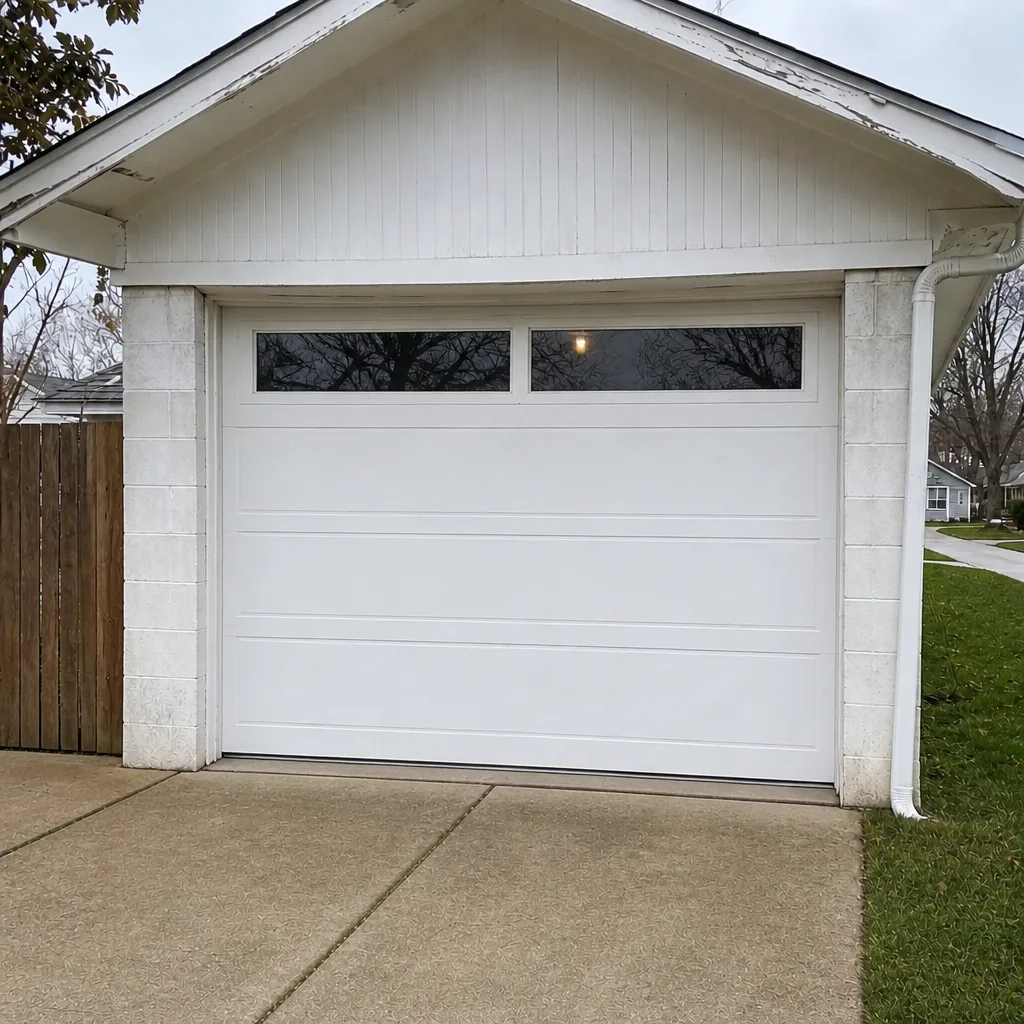
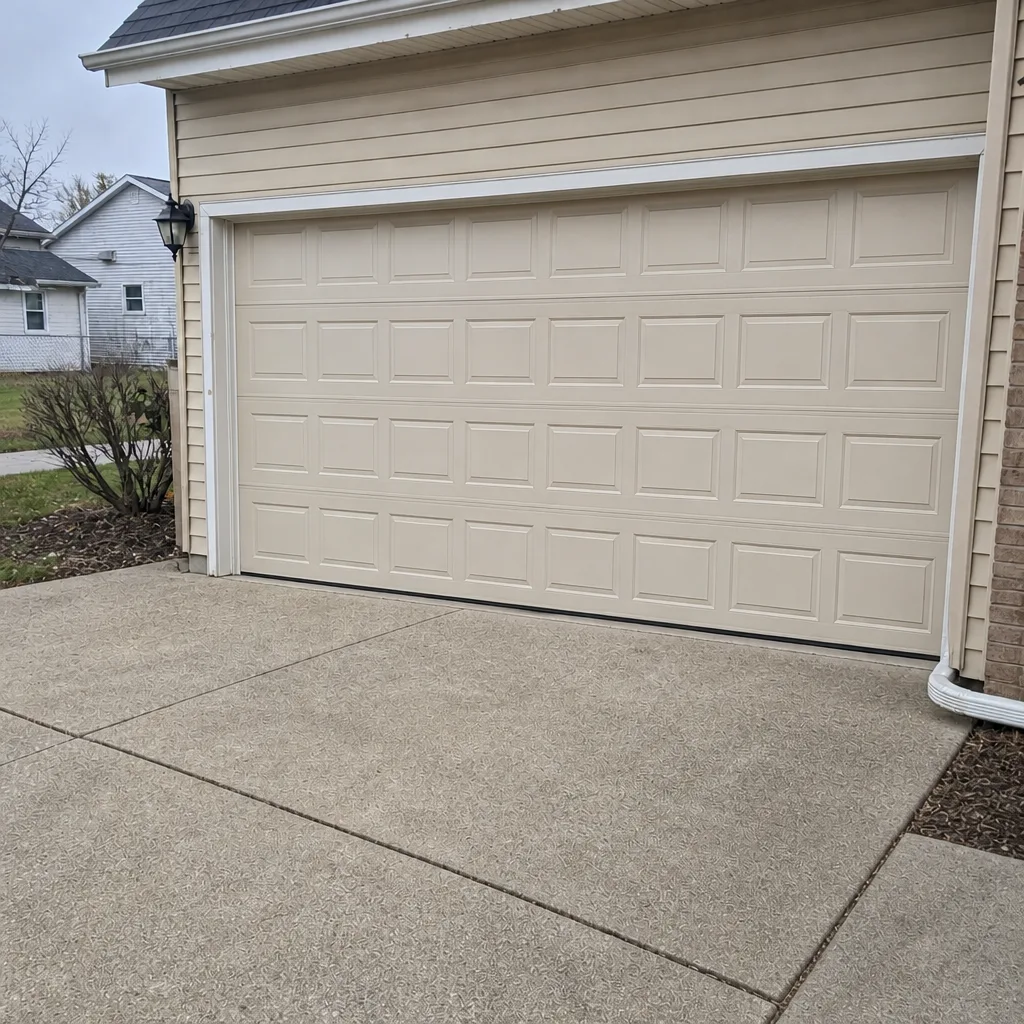
See the difference
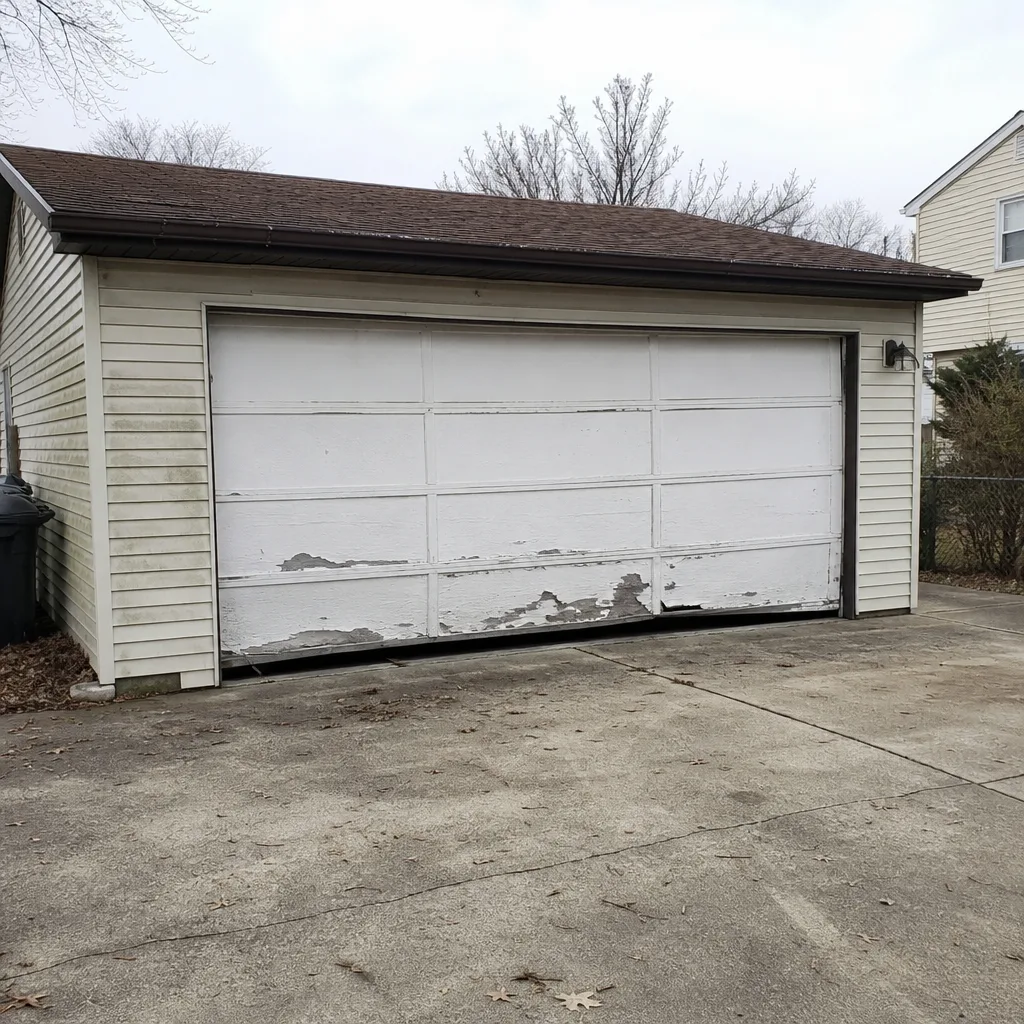 Before
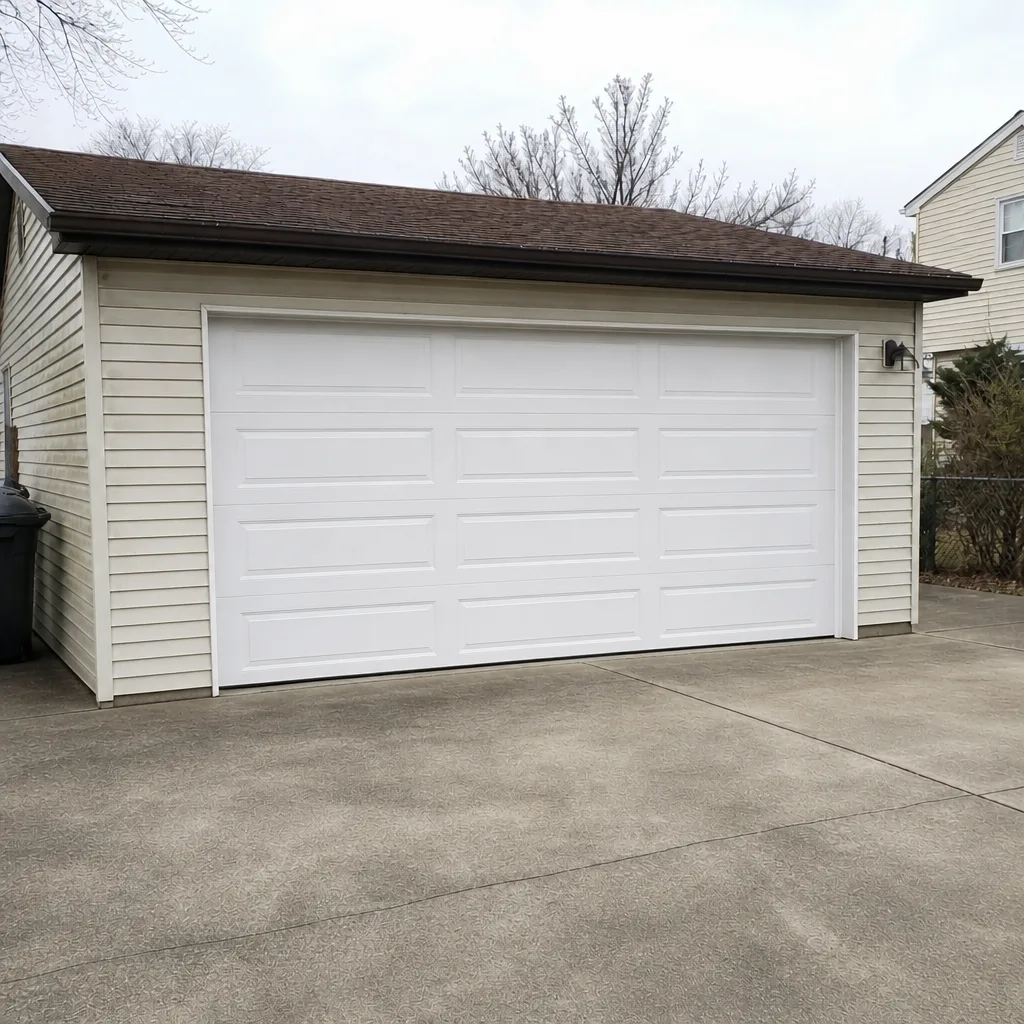 After
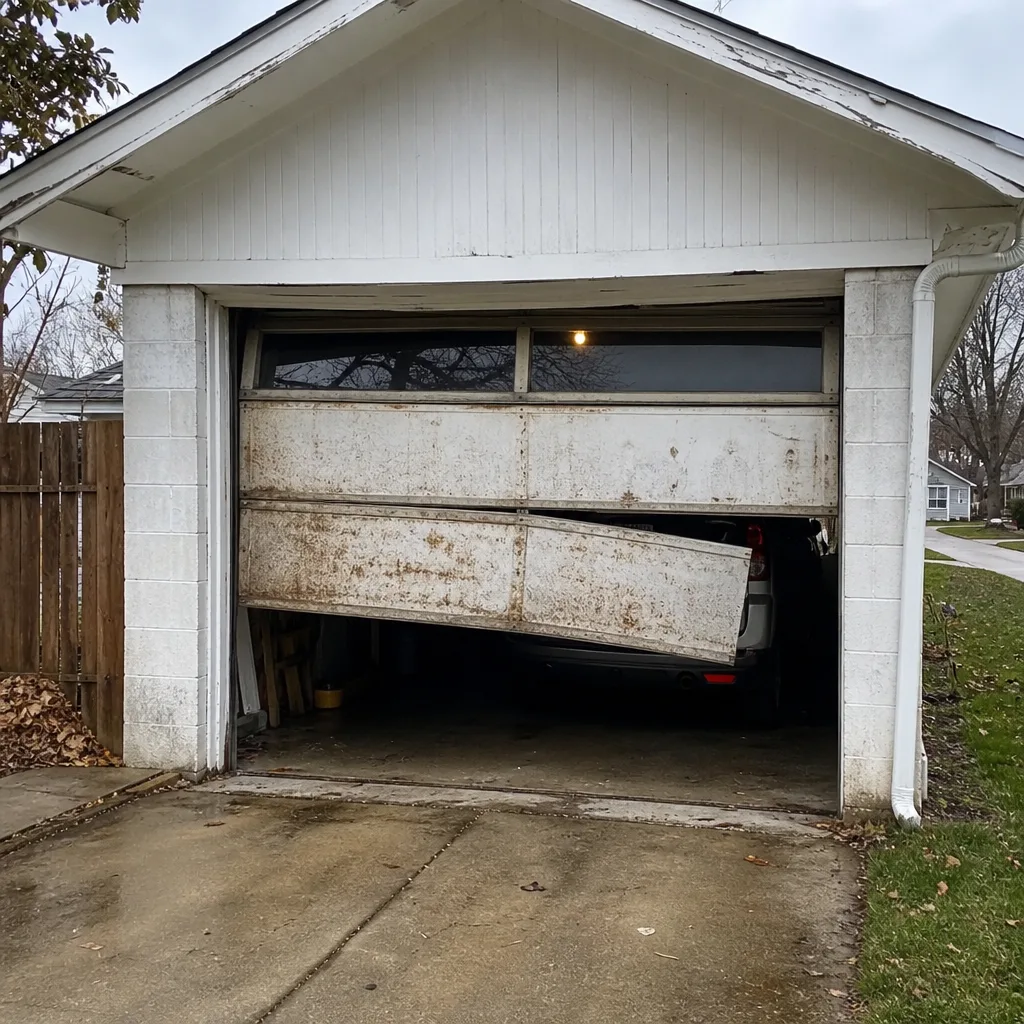 Before
 After
 Before
 After
When to Call a Professional
Call a professional when the door is unsafe to move, when a spring or cable has failed, when the door is out of its tracks or hanging crooked, or when a storm has left it jammed. Call for a standard appointment when the opener is acting up, a sensor is misaligned, or a panel has a cosmetic issue that doesn’t affect operation. Call us for emergency service when a car is trapped or the garage is stuck open. We’re a garage door specialist, not a handyman service, and every job is one call, complete fix. Waukegan Garage Door Repair Co offers free estimates in Waukegan, so the price is quoted and agreed before any work starts. Call (877) 419-9329 for help with your door, your opener, or a spring.
Frequently Asked Questions
Yes, in most cases, if the door is fully closed and the spring system is intact. Pull the manual release cord with the door closed, then lift the door slowly by hand. If it feels heavy, drops, or resists, stop and call us; that’s a sign the spring or cable has a problem, not just the power.
Stop using the door and the opener, keep everyone out of the garage, and call for service. Don’t try to lift the door by hand, and don’t reach near the spring or the cable. Look from a distance and tell the technician whether the door is up or down and whether a cable looks loose. Call (877) 419-9329 for spring repair; the estimate is free.
Look for a cable hanging off its drum or pulley, a strand of cable poking out, or a door that’s sitting crooked. Any of these means the door is unsafe to operate until a technician checks it. A slack cable is a serious hazard, because it’s still under some tension even when it’s loose.
No. A frozen door is stuck to the seal or the track, and forcing it puts stress on the springs, cables, and opener. Free the ice at the bottom seal and clear the tracks first, then try the manual release. If the door still won’t move, stop and call.
It’s an emergency when the door is unsafe to move, a car is trapped, or the garage is stuck open to the weather. A squeaky door, a slow opener, or a cosmetic dent is a standard appointment. Emergency service is one of our five core services, so when it’s the right call, we’re ready for it.
We’re equipped to service LiftMaster, Chamberlain, Genie, Clopay, Amarr, Wayne Dalton, Craftsman, and Raynor. That matters when an opener or a door fails, because we diagnose the actual system in your garage, not a generic stand-in. Call (877) 419-9329 for a free estimate.
The Bottom Line
Garage door emergencies in Waukegan come down to three scenarios: a spring failure, a power outage, and storm damage. Each has a different safe response, and knowing which one you’re facing is the difference between a calm call and a dangerous mistake. The manual release is safe only when the door is closed. A broken spring means stop and call. A frozen door in a winter outage means free the ice first. Prep your garage now, save the number, and know your door’s brand and model. When something fails, we’re a garage door specialist with in-house spring repair, not a general handyman. Call (877) 419-9329 for a free estimate, and get your door back to working safely.
Call (877) 419-9329 today for a free estimate on your garage door or opener in Waukegan.
Written by the team at Waukegan Garage Door Repair Co.