Last updated November 22, 2026
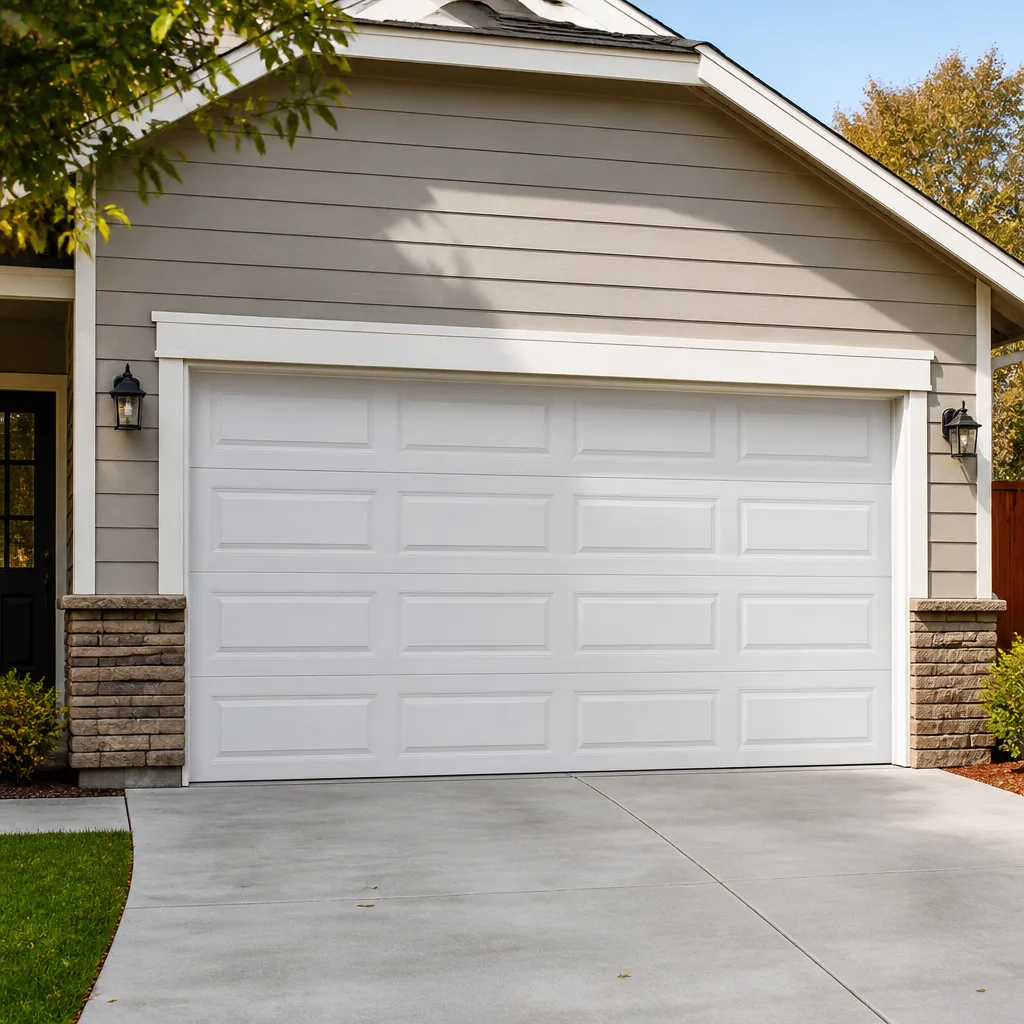 Raised-panel steel
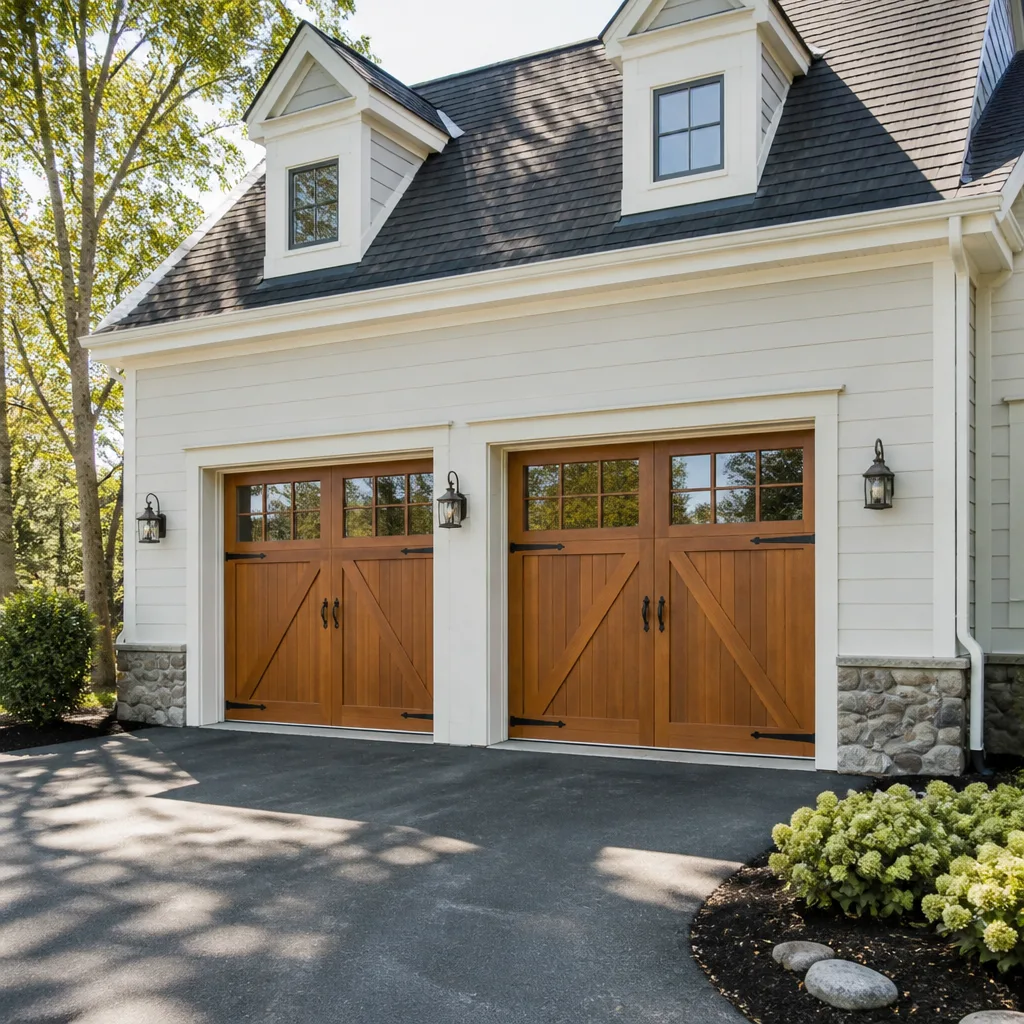 Carriage house
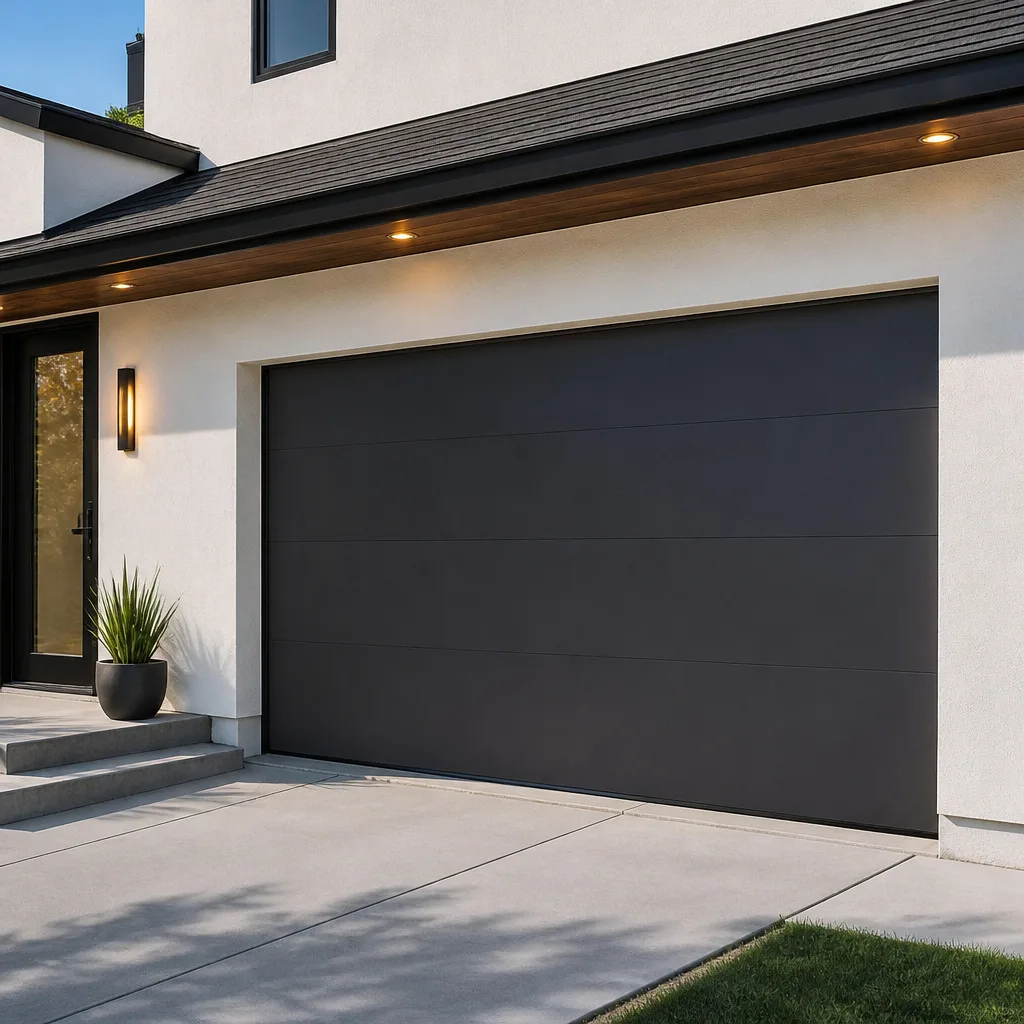 Modern flush
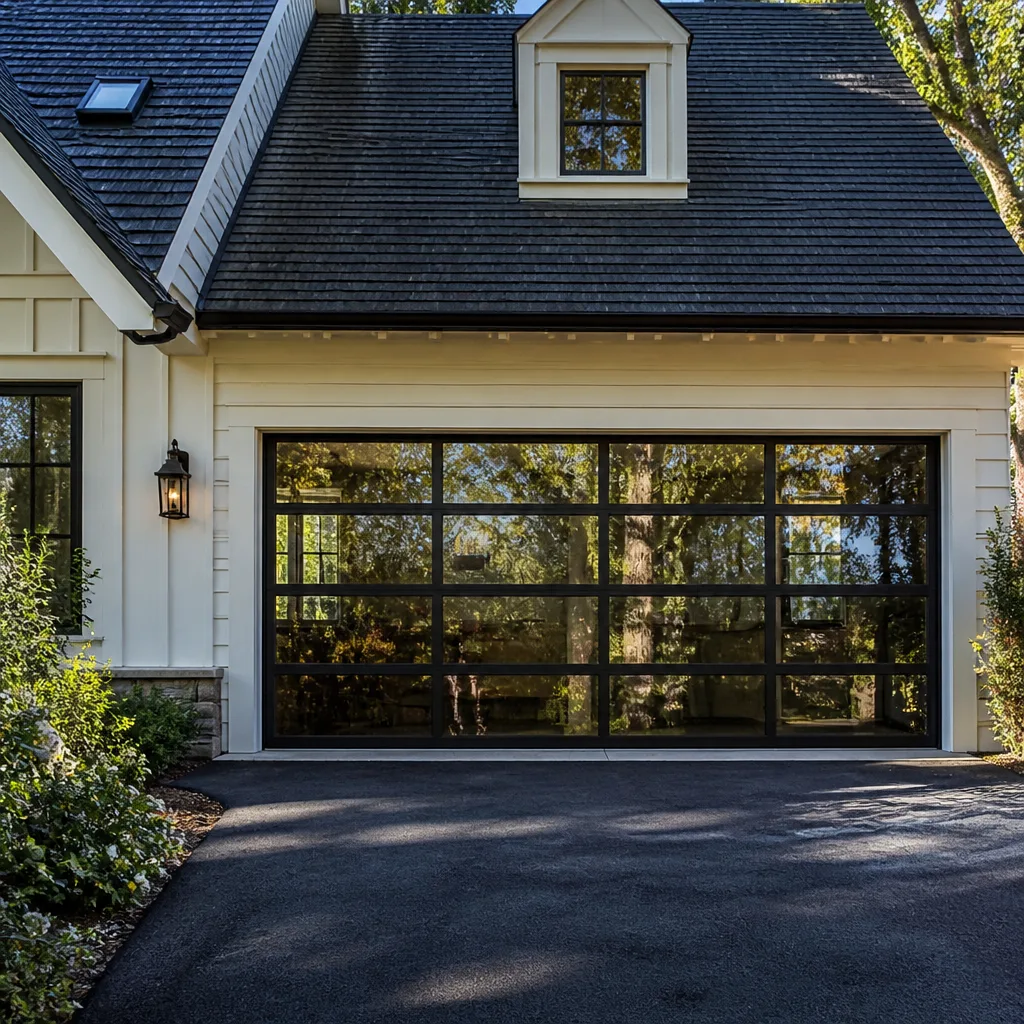 Full-view glass
 LiftMaster openers
 Chamberlain openers
Full 25-point door and opener safety check with every visit - springs, cables, rollers, tracks, and your LiftMaster or Chamberlain opener included
You get a price before we start. It does not change when the pro arrives.
Get your free estimateGarage Door Permits, Codes & Inspections in Waukegan, IL: What You Need to Know
Here’s the part that surprises most homeowners: swapping garage door panels for identical new ones usually needs no permit at all. Change the scope by even a little – a new opener rough-in, a header modification, a different door size – and you may have crossed into work the City of Waukegan tracks. That distinction matters, because unpermitted garage door work has a way of surfacing at the worst possible moment: a home sale inspection years later, when a buyer’s lender wants paperwork you don’t have. This guide walks through the real threshold between replacement in kind and a modification, the Illinois energy and wind-load rules that apply to new installs, and who’s legally responsible for the permit. By the end, you’ll know exactly which questions to ask before anyone touches your door.
Quick Answer
In Waukegan, a straight replacement in kind – same size, same opening, same rough opening – typically doesn’t require a building permit. A modification does: enlarging the opening, changing the door size, altering the header or framing, or adding structural support. New installations on attached garages also need to meet Illinois Energy Conservation Code requirements and Illinois wind-load rules, which is why the permit question hinges on scope, not brand or color. When in doubt, call the City of Waukegan building department before work starts.
Styles & brands we work with
- Raised-panel steel
- Carriage house
- Modern flush
- Full-view glass
- LiftMaster openers
- Chamberlain openers
Table of Contents
- What Counts as “Replacement in Kind” vs. a Modification?
- When Does a Garage Door Project Need a City of Waukegan Permit?
- Illinois Energy Code and Insulated Doors on Attached Garages
- Wind Load Requirements and Door Ratings Under Illinois Code
- How Unpermitted Work Surfaces at a Home Sale
- Who Pulls the Permit: You or the Contractor?
- What Documentation to Keep After the Job
- What a Garage Door Inspection Actually Looks At
What Counts as “Replacement in Kind” vs. a Modification?
Replacement in kind means the new door goes into the same opening, at the same size, using the same structural framing, with no changes to the building envelope. In most Illinois jurisdictions, including Waukegan, that kind of swap is treated as routine maintenance and doesn’t trigger a building permit. The door is a like-for-like trade, and the wall around it stays untouched.
A modification is anything that changes the size, structure, or framing around the opening. The moment you move beyond a straight swap, you’ve entered permit territory. Think of it as a threshold rather than a gray area. The question isn’t “is it a garage door job?” – it’s “does this job change the building?”
Here’s how the two categories usually break down in the field:
- Replacement in kind: same width and height, same rough opening, same header, same tracks and hardware layout, same opener location.
- Modification: a wider or taller door, a changed rough opening, a modified or replaced header, new framing, added structural support, or a new opening cut into an existing wall.
- Gray zone: adding an opener where none existed, converting from manual to automatic operation, or changing door type in a way that requires new mounting hardware.
That last category is where Waukegan homeowners get tripped up. A new opener sounds like an accessory, but the rough-in, wiring, and mounting can require a permit depending on how the city’s building department reads the scope. The safe move is a quick phone call to the building department with the specific details: door size, opening size, and what’s changing. Ask them to confirm in writing whether a permit applies. That one step protects you at resale.
If your project is a straightforward repair, none of this applies. Our garage door repair work – springs, cables, rollers, panels, tracks – is maintenance, not construction. The permit question only comes into play when the door or the opening itself gets altered.
When Does a Garage Door Project Need a City of Waukegan Permit?
A garage door project needs a City of Waukegan building permit when it changes the structure or the building envelope. That means a new opening, a resized opening, a header change, new framing, or a new door in a wall that never had one. A same-size replacement in the existing opening generally does not require one.
Most homeowners don’t hit the permit threshold with a straight door swap. They hit it with a combination project – say, a new door plus a structural change to make it fit, or a new door on an attached garage where insulation and wind ratings matter to the permit reviewer.
The most reliable way to know is to describe the scope to the Waukegan building department in plain terms and ask. Describe it like this:
- Current door size and opening size.
- Proposed door size and opening size.
- Whether the header, framing, or tracks will change.
- Whether the door is on an attached or detached garage.
- Whether an opener is being added or relocated.
If the answer is “permit required,” the city will tell you what the submittal needs. If the answer is “no permit needed,” ask them to note that in the record. A short written note that says “no permit required for replacement in kind” is worth keeping with your home files. It’s the single cheapest insurance against a resale headache you’ll ever buy.
Detached garages often fall under different rules than attached garages, so don’t assume the answer for one applies to the other. The city reviewer will care more about an attached garage because the door sits on the boundary of the conditioned envelope. That’s a permit and energy-code concern at once, which is why the next section matters as much as this one.
Illinois Energy Code and Insulated Doors on Attached Garages
Attached garages sit on the edge of the building envelope, which is why Illinois Energy Conservation Code requirements apply to new door installs there. The code sets a minimum insulation value for the door assembly on a conditioned or semi-conditioned attached garage. Old uninsulated doors typically fall short; insulated Clopay or Amarr doors are built to meet the requirement.
Put simply: if your garage shares a wall or ceiling with conditioned living space, a new garage door isn’t purely cosmetic. It’s part of the energy boundary. The reviewer at the city will want to see that the new door meets the energy code for the assembly, which usually means an insulated door with a documented insulation value in the manufacturer’s literature.
What to know before you order:
- Insulated doors are the default on attached garages for new installs, not an upgrade to consider later.
- Detached garages generally fall outside the envelope and may not carry the same requirement.
- Replacement in kind usually doesn’t trigger a new energy review, but a modification does.
- Documentation matters: keep the manufacturer’s spec sheet with the insulation value.
- Brand doesn’t guarantee compliance. Any brand’s model, including Wayne Dalton and Clopay, has insulated and non-insulated lines. Match the model to the application.
Waukegan’s winters make this more than a paperwork exercise. An insulated door on an attached garage holds warmth against the wall it shares with the house, which matters when the wind comes off Lake Michigan and the temperature drops. The code requirement and the practical benefit line up here, which isn’t always the case with building rules. If you’re replacing a door on an attached garage and the old door was uninsulated, that’s the moment to move up – once the door is in and the permit is closed, retrofitting is a much bigger job.
Our Waukegan Garage Door Repair Co team handles installs and can flag which model in a given line meets the energy requirement. We confirm the model against the spec sheet before an order is placed, so the door that arrives is the door the permit was issued for.
Wind Load Requirements and Door Ratings Under Illinois Code
Illinois code requires garage doors to be rated for the wind load their opening will actually see. The rating depends on door size, opening width, and building location – not on the door brand alone. An oversized door on an exposed wall needs a higher rating than a narrow door on a sheltered wall, and both can be fully compliant.
This is where homeowners get two things wrong at once. Some assume wind load is a coastal concern and skip it entirely. Others get sold a door rated far beyond what the opening requires, which is overbuilding – more cost, heavier hardware, and no benefit the code asks for.
The right rating depends on the specifics:
- Door size. Wider and taller doors catch more wind and typically need higher ratings.
- Exposure. An opening facing open ground or a long fetch of wind experiences higher loads than one sheltered by neighboring structures.
- Attachment. How the door anchors to the framing matters as much as the door rating itself.
- Manufacturer documentation. Clopay, Amarr, Wayne Dalton and others publish wind-load ratings for each model and size. Keep the sheet.
Hail damage is uncommon around Waukegan compared with the plains, so wind is the load that tends to matter here, not impact. That’s part of why the rating question comes up on nearly every new install we quote on an exposed wall.
For the permit reviewer, the wind load is usually answered by the manufacturer’s documentation on the door being installed. If the door you pick doesn’t carry a published rating that meets the requirement, the plan reviewer will send the submittal back. Getting the rating right the first time is faster and cheaper than a revision.
How Unpermitted Work Surfaces at a Home Sale
Unpermitted garage door work usually surfaces at a home sale inspection, when the buyer’s inspector or the buyer’s lender asks for documentation of a structural or envelope change. Without the paperwork, the transaction stalls. The resolution is a permit pulled after the fact, and that can involve opening walls to inspect framing – which costs far more than the original permit would have.
The inspection itself isn’t the problem. Inspectors report what they see, and an inspector who spots a resized opening or a header change with no permit on record will note it. The buyer’s lender may then require documentation of compliance before the loan clears. A closing timeline that looked solid two weeks ago starts to slide.
The path forward usually involves a few steps:
- File an application with the City of Waukegan building department for the work as built.
- Provide drawings and manufacturer documentation for the door and wind rating.
- Open up the framing or wall covering if the reviewer needs to see the header and attachment.
- Pass the inspection.
- Record the completed permit with the property records.
Each of those steps has a cost, and the sum is always larger than the cost of pulling the permit before the work started. That’s the real argument for checking first. The permit itself is not the expense most homeowners fear; the retroactive resolution is.
If you’re facing this, or want to avoid it, we can help you sort the scope before the work starts. Our garage door repair team has walked Waukegan homeowners through the difference between maintenance and a code-track change so they make the call with the right information.
Who Pulls the Permit: You or the Contractor?
In Waukegan, either the homeowner or the contractor can pull a garage door permit, but the legal responsibility for the work sits with the homeowner who owns the property. The permit is issued against the address, not the person, which means any defect or missing inspection follows the property no matter who signed the application.
That distinction matters when you choose who does the work. If the contractor pulls the permit, they’re the party on record with the city, and they’re responsible for scheduling inspections and closing the permit out. If you pull it, you’re responsible for that follow-through – and homeowners get busy.
Here’s what to expect on a typical permit-track install:
- Application: the contractor’s team files the application with the scope and wind/energy documentation.
- Plan review: the city reviews and issues the permit.
- Install: the door is installed to the approved scope.
- Inspection: the city inspector verifies framing, attachment, and energy/wind compliance.
- Close-out: the permit is recorded as complete in the property file.
Not every garage door pro pulls permits, and not every job needs one. So the right question when you’re getting estimates isn’t “do you pull permits?” – it’s “will this project need one, and if so, who’s pulling it?” A specialist who knows the answer for your specific scope is doing the work you want. A general handyman may not know the difference. Get the answer in writing on the estimate, whether it’s a permit job or not.
Our technicians have up to 10 years of experience on garage doors specifically, and the permit threshold for a given Waukegan install is something we’ll flag before a single door is ordered. If it’s a permit job, we’ll tell you. If it isn’t, we’ll tell you that too.
What Documentation to Keep After the Job
After a garage door install or modification, keep four things: the permit number, the inspection sign-off, the manufacturer’s spec sheet for the door (energy and wind ratings), and the warranty documentation. These four papers answer nearly every question a future buyer, inspector, or insurance adjuster will ask about the door.
The reason is straightforward. Garage doors are the largest moving object on a house, and a future buyer’s inspector will look at them closely. A door with a clean paper trail reads as well-maintained; a door whose install history is a mystery invites questions.
The documentation list in full:
- Permit number and inspection sign-off if a permit was required.
- Manufacturer spec sheet showing the insulation value and wind-load rating of the door model.
- Warranty documents for the door, hardware, and opener if applicable.
- Opener details if a LiftMaster, Chamberlain, Genie, or Craftsman unit was installed, including model number and manual.
- Receipt or invoice showing the date and scope of the work.
Put those in the same folder as your appliance warranties and HVAC records. When you sell the house, the folder does the talking. When you file a homeowner’s insurance claim later on, the same folder proves the door was installed to code. It takes five minutes to assemble and saves hours of guesswork.
What a Garage Door Inspection Actually Looks At
A garage door inspection checks the safety, balance, and structural integrity of the door and its opener. In Waukegan, that includes confirming the door meets the wind and energy ratings on the permit if a permit was issued, and that the opener’s safety features function correctly. The inspection is mechanical as much as it is paperwork.
On a routine inspection – whether city-issued for a permit or recommended by us as an annual check – the reviewer will typically look at:
- Spring condition and tension (from a safe distance; springs are not a DIY item).
- Balance of the door through its full travel.
- Cable condition and drum winding.
- Track alignment and roller condition.
- Hinge and fastener tightness.
- Opener force settings and auto-reverse function.
- Photo-eye safety sensors on the opener.
- Weather seal and bottom seal condition.
- Wind-load documentation for new door installs.
- Insulation rating documentation on attached-garage installs.
Some of these you can check visually – track alignment, seal condition, sensor alignment. The mechanical internals – springs, cables, drums – are not a homeowner check. A torsion spring under tension can cause serious injury if handled incorrectly, and cables can whip if they slip off a drum. Every professional we know of treats springs and cables as touch-only-by-a-professional components. That’s why in-house garage door spring repair sits with a specialist, not a handyman.
Opener diagnostics are a separate track. If your opener is failing to reverse, running the door at the wrong speed, or showing a fault code, the fix isn’t necessarily on the door side. Our garage door opener repair work covers LiftMaster, Chamberlain, Genie, and Craftsman units, and the diagnostic depends on which mechanism is actually failing.
Common Mistakes to Avoid
- Assuming “replacement” means no permit. Replacement in kind usually doesn’t need one. A replacement that changes door size, opening, or framing usually does. Get the answer from the city for your specific scope before work starts.
- Assuming “install” means permit. A new door on an attached garage is more than cosmetic – it’s part of the energy envelope. That triggers the Illinois Energy Conservation Code and often a permit.
- Buying a door without its wind and energy spec sheets. The permit reviewer and a future home inspector will both want them. If the model line doesn’t carry a spec sheet you can produce, you picked the wrong model or the wrong brand.
- Letting the contractor pull the permit without confirming they will. If the estimate doesn’t mention the permit, it doesn’t mean the work doesn’t need one. It means the permit isn’t in the price you’re being quoted.
- Skipping the inspection sign-off. A permit that’s been issued but not closed out is not a permit that protects you. Follow through to the recorded sign-off, or hire someone who does.
- Overbuilding wind ratings. A door rated well beyond the opening’s requirement costs more and doesn’t deliver anything code actually asked for. Match the rating to the load the opening will see.
- Going cheap on the documentation folder. The five papers in the section above cost nothing to keep and answer nearly every question a buyer, lender, or insurer will ask about the door later.
See the difference
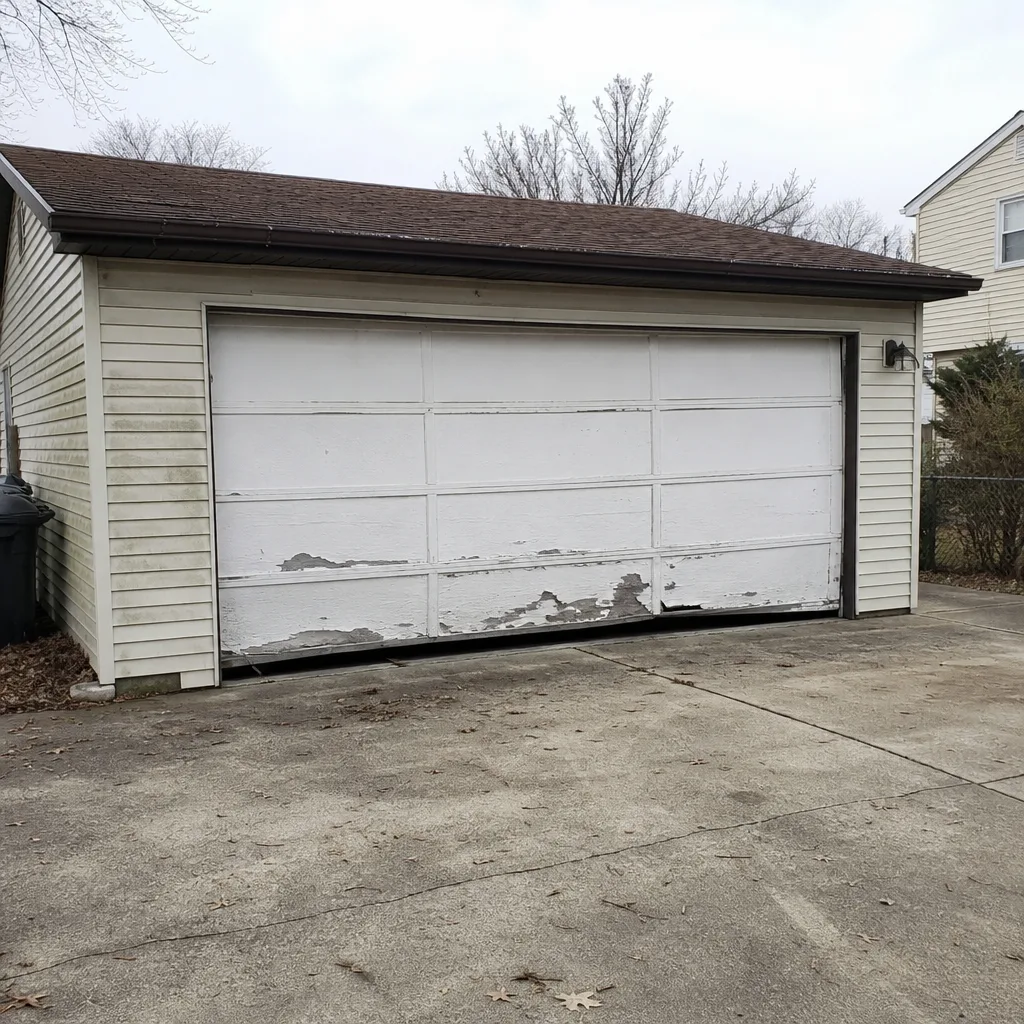 Before
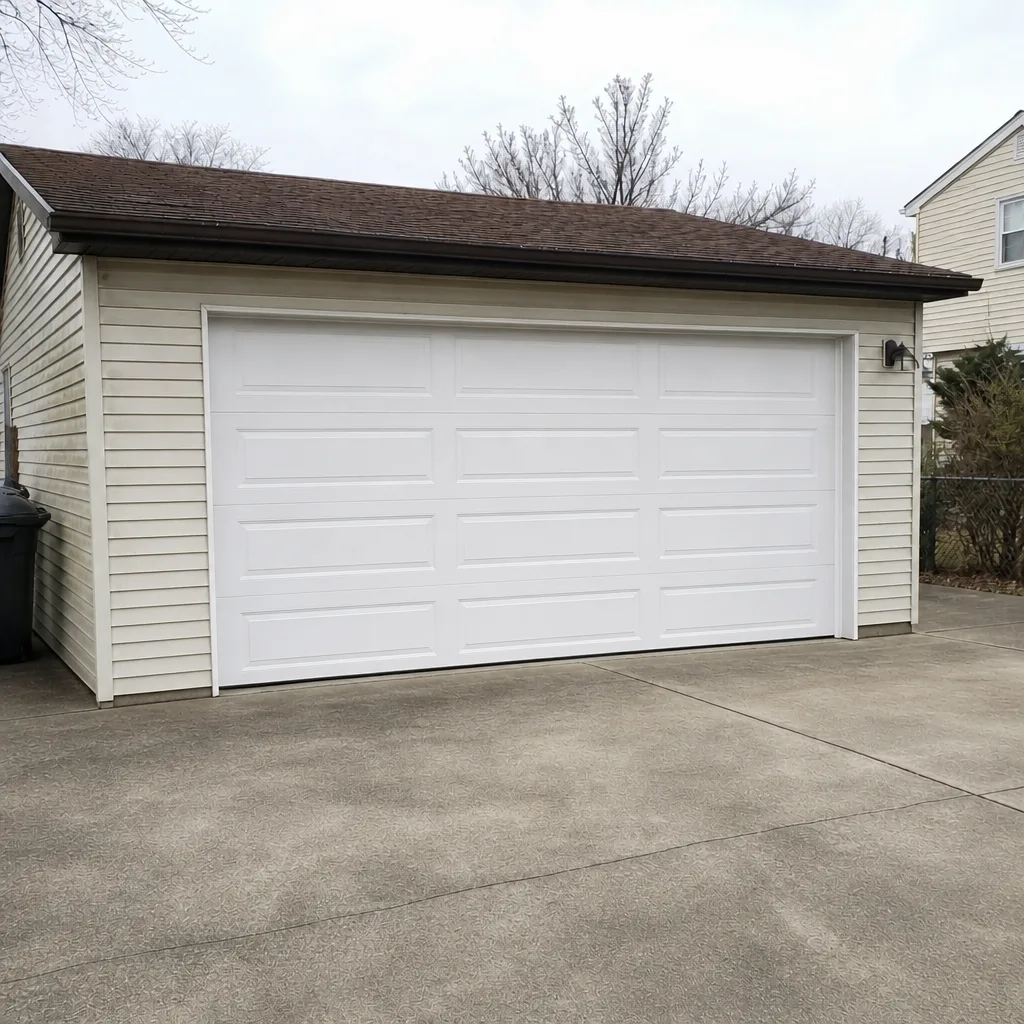 After
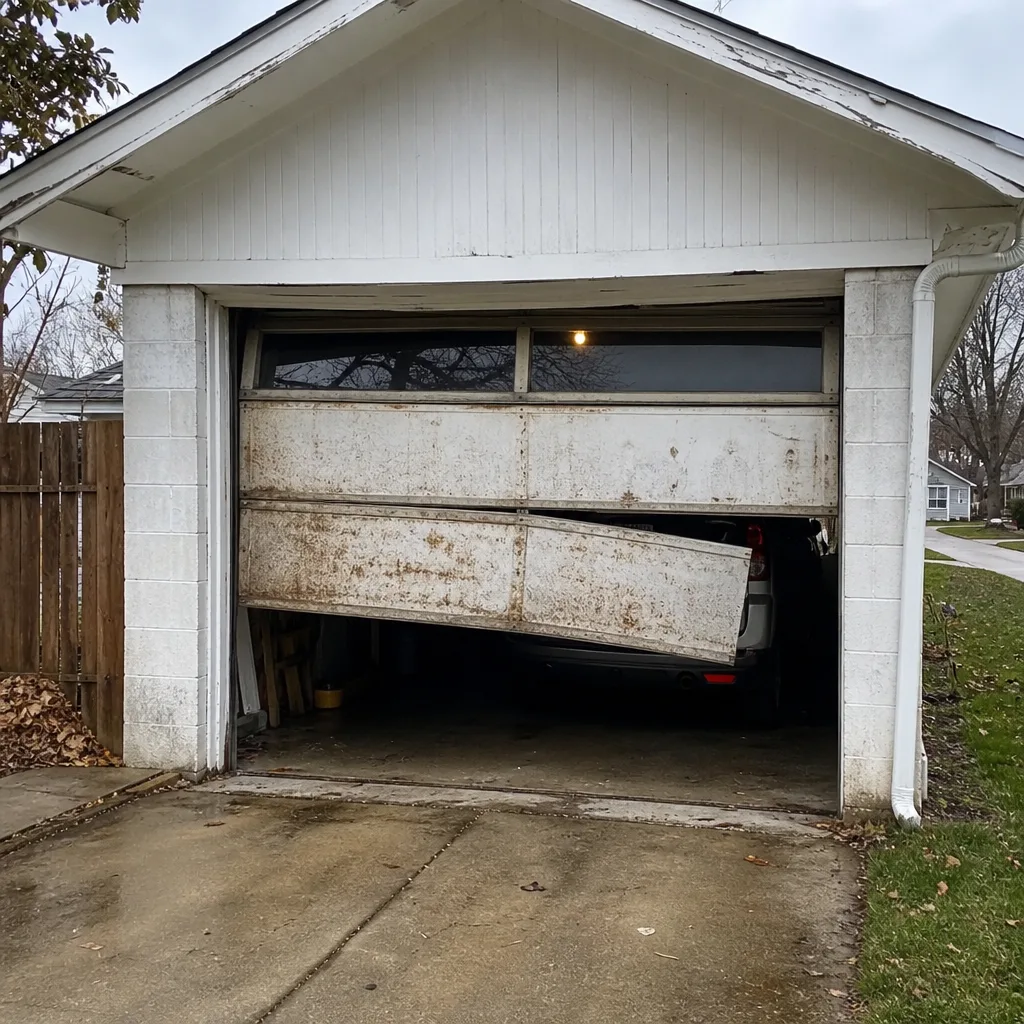 Before
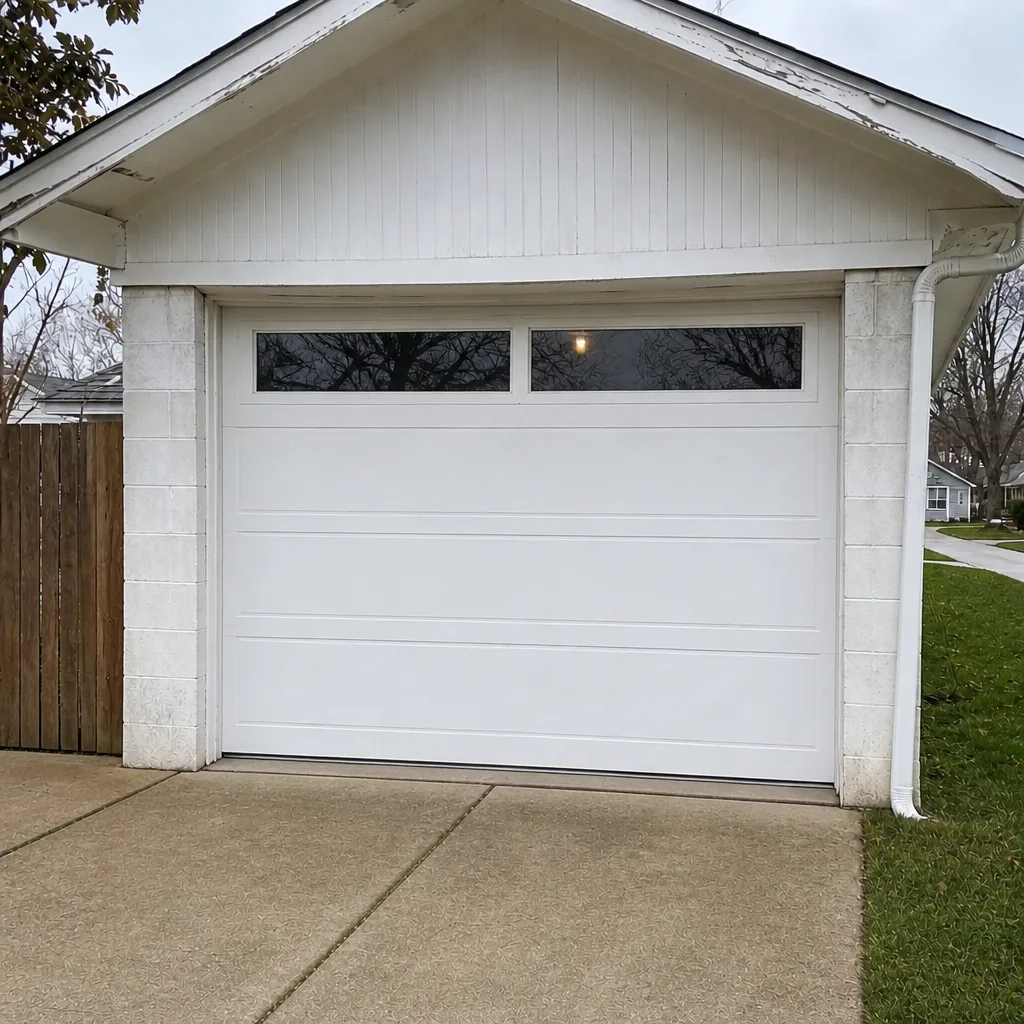 After
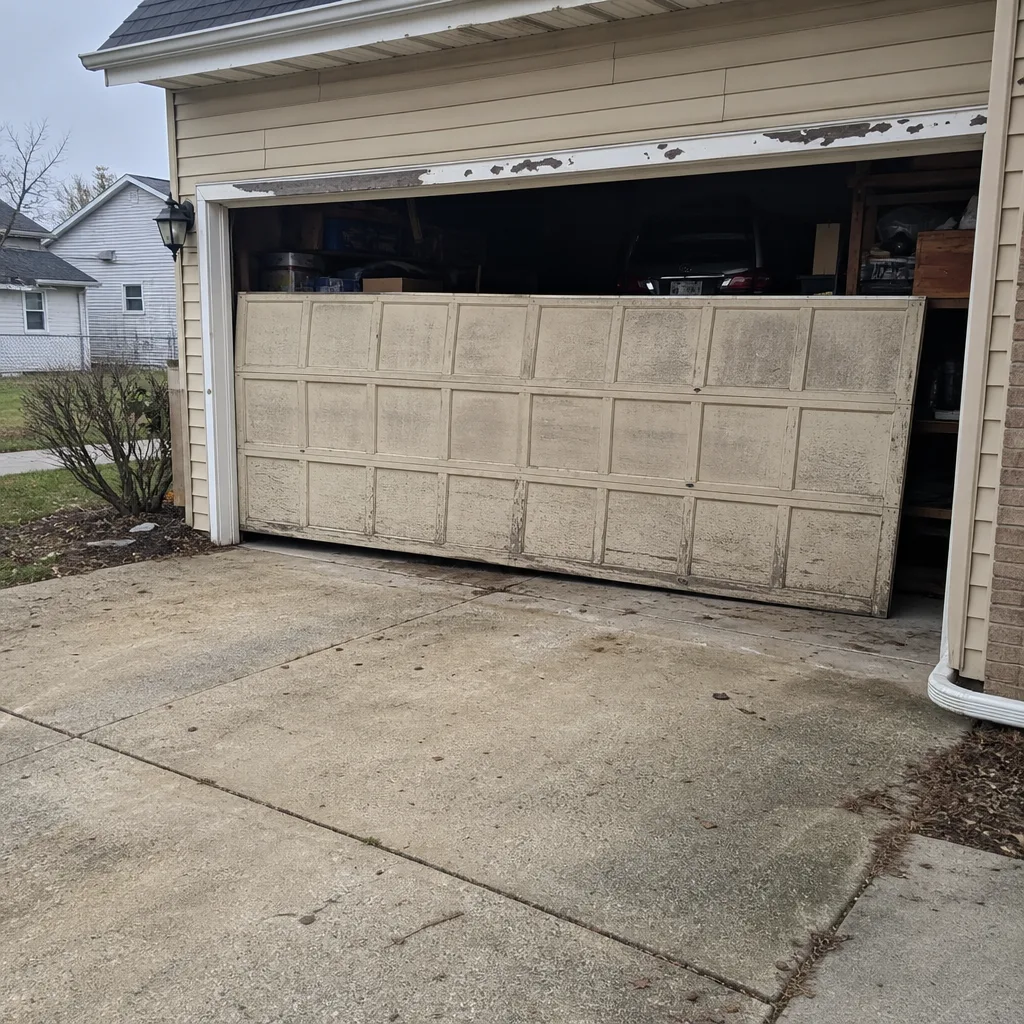 Before
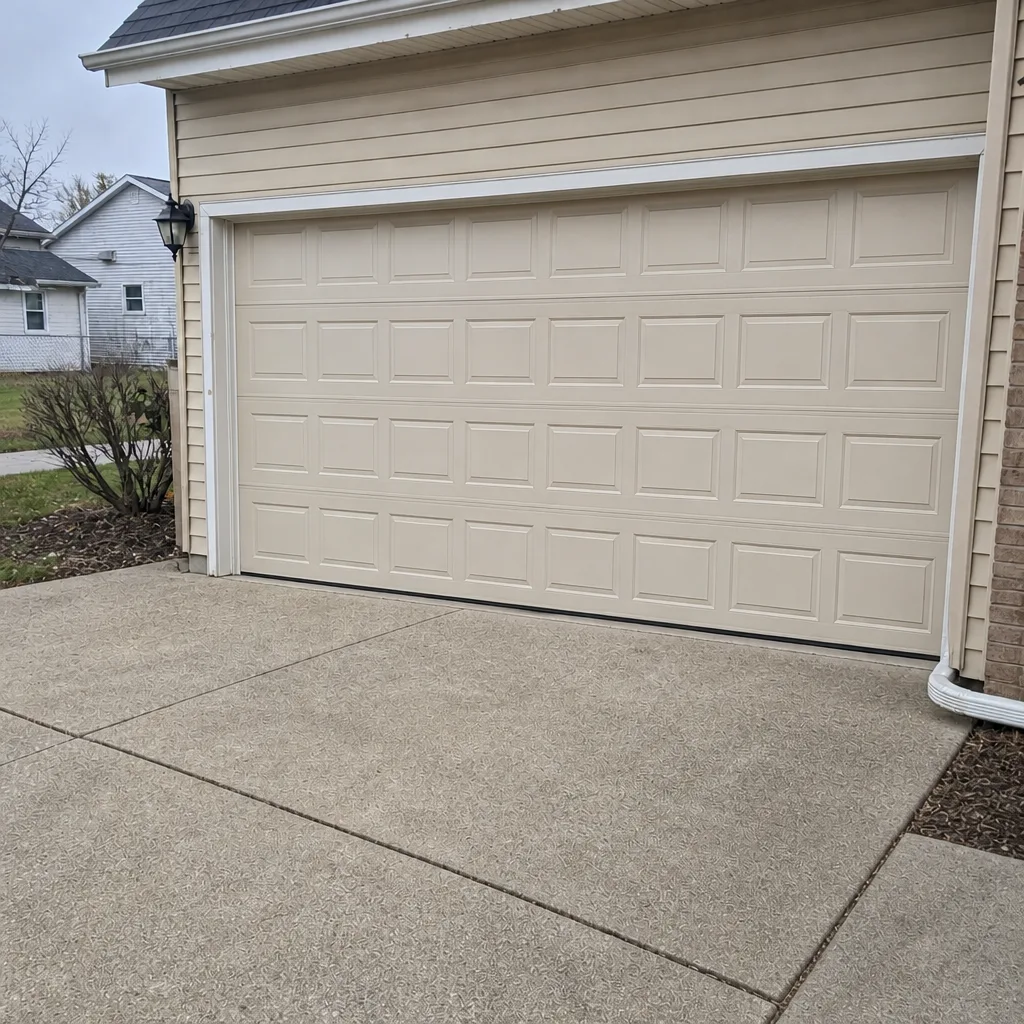 After
When to Call a Professional
Call a professional when the garage door fails to balance, the springs snap, the cables come loose, the opener reverses without reason, or a planned install requires a permit because the scope has changed. Springs and cables are not homeowner territory – the tension in a torsion spring is enough to cause serious injury if handled without the right tools and training, and a cable that slips off a drum can whip. Your safety comes before any attempt at a quick fix.
For a replacement in kind, the work is often routine, but the permit question still deserves a real answer before you order. A specialist who knows the Waukegan code threshold can tell you in minutes whether you’re in permit territory. Waukegan Garage Door Repair Co offers free estimates in Waukegan – call (877) 419-9329.
Frequently Asked Questions
Usually not, if it’s a true replacement in kind – same size, same opening, same structural framing. A permit is typically required when the job changes the opening, header, or framing, or when a new door is installed on an attached garage subject to energy-code review. Confirm with the City of Waukegan building department for your specific scope, and keep their answer in writing. Call (877) 419-9329 for a free estimate if you’d like us to help you sort the scope first.
If the install is a new door on an attached garage, it typically falls under Illinois Energy Conservation Code requirements for the envelope, which means an insulated door with a documented rating. A straight replacement in kind usually doesn’t trigger a fresh energy review. Keep the manufacturer’s spec sheet – the permit reviewer and a future inspector will both want it. Call (877) 419-9329 for help matching a model to the requirement.
Illinois code requires the door to be rated for the wind load the specific opening will see, based on door size, exposure, and attachment. A wider door on an exposed wall needs a higher rating than a narrow door on a sheltered wall. Manufacturers such as Clopay and Amarr publish wind-load ratings for each model and size. If you’re not sure which rating your opening needs, call (877) 419-9329 for a free estimate.
In Waukegan, either can pull a garage door permit, but the legal responsibility for the work stays with the property owner. The permit is tied to the address, so any missing inspection or defect follows the property regardless of who applied. If the contractor pulls it, they’re responsible for inspections and close-out. Get it in writing on the estimate either way. Call (877) 419-9329 to confirm what your scope requires.
Unpermitted work typically surfaces during a home sale inspection or a lender’s documentation review, and resolving it retroactively can involve filing for a permit after the fact, submitting drawings, opening up the framing for inspection, and recording the close-out. The resolution costs more than the original permit would have. If you’re facing this situation, call (877) 419-9329 – we can help you figure out the scope and what the city is likely to want.
The local professionals we connect you with are licensed and insured as their state requires, and they carry their own credentials for the trade. Ask any garage door specialist for their credentials before work starts, and confirm their insurance covers the job at your address. Our technicians have up to 10 years of experience on garage doors specifically, including springs, openers, and permits-track installs. Call (877) 419-9329 for a free estimate.
The Bottom Line
The permit question for garage door work in Waukegan comes down to scope, not brand. A same-size replacement in the same opening is usually maintenance. A change to the opening, header, or framing is a modification and usually requires a permit, along with Illinois Energy Conservation Code and wind-load compliance on attached-garage installs. The homeowner carries the legal responsibility for the work, so getting the answer from the City of Waukegan building department and keeping it in writing is the one step that protects you at resale. Keep the permit number, inspection sign-off, spec sheet, and warranty together. That folder is the difference between a routine answer at sale and a stalled closing.
We work on the door side of this every day, and the permit side matters to us as much as the springs and openers. If you’re planning a Waukegan install, a replacement in kind, or a repair, call us at (877) 419-9329 for a free estimate. We’ll tell you honestly whether your project crosses the threshold and what the next step is.
Written by the team at Waukegan Garage Door Repair Co.